Households with a dog or two cats bring a carpet problem that is only partly about hair. The visible coat on the surface is the easy part; what matters underneath is dander, skin oils that bind soil to fibre, saliva proteins on the areas an animal favours, and the gradual build-up of odour compounds in the backing. OX26 has a great many family homes with animals in them, and that combination is the routine job here.
Hair is the smallest part of the problem
Pet hair is barbed and spins itself into the yarn rather than resting on it, which is why a vacuum alone leaves so much behind. Beneath it sits dander, a fine protein flake that is the actual allergen, and a film of sebum that acts like glue for ordinary household soil. That is why an animal household's carpet greys faster than an identical one without pets. The staged approach to that is documented on our main service page.
Getting hair out before water goes near it
Wetting embedded hair mats it into a felt that then has to be picked out by hand. The order is a rubber pile brush or grooming tool worked against the lay of the pile to break the hair free, then repeated slow vacuum passes, and only then any solution. On stairs and around bed bases this stage takes longer than the cleaning itself, and skipping it is the difference between a good result and a mediocre one.
Accidents, and the first ten minutes
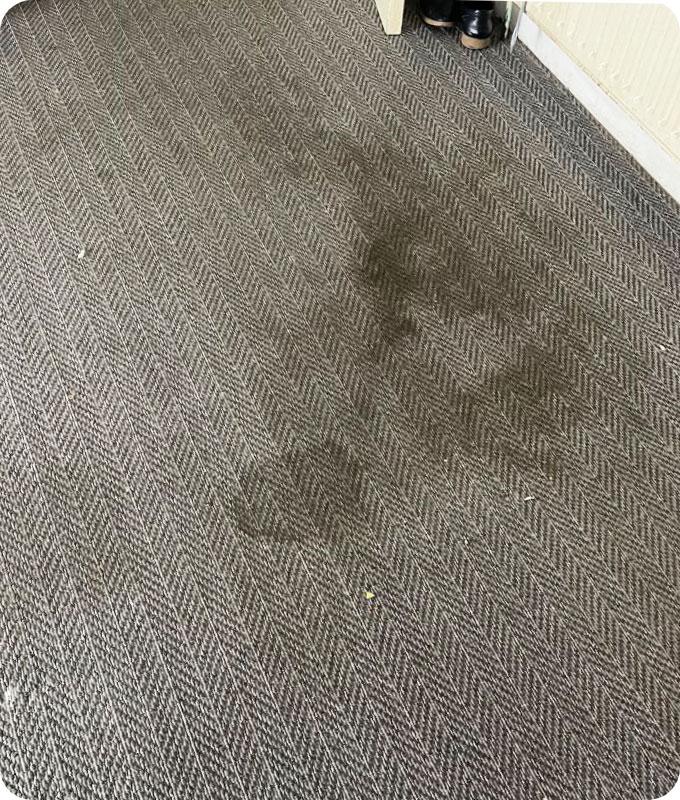
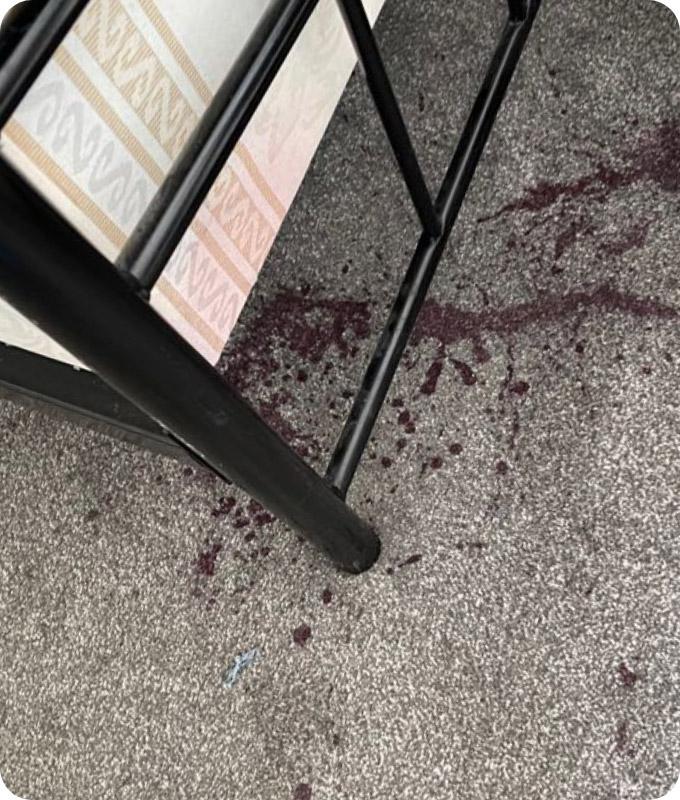
What happens immediately decides whether a mark becomes permanent. Solids are lifted, not rubbed; liquid is blotted under weight through white paper or towel, working from the outside inward; and plain cool water is the only thing worth applying without knowing the fibre. Heat sets protein, so a steam cleaner on a fresh accident is the worst available option. Where it has soaked through, professional treatment of the backing is needed, as it is on jobs in carpet cleaning cover across Witney.
What allergen reduction can and cannot achieve
Hot extraction removes a large share of settled dander and dust mite debris, and that is worth having in a house with asthma or allergies. It is not a cure and it does not last indefinitely, because the source is still living in the property. Regular vacuuming with a sealed filtered machine between visits does more over a year than an annual deep clean alone, which is one reason general upkeep is arranged through our nearby specialists.
Dust, dander and a house that has just been altered
Building work stirs up everything that has settled over years and combines it with plaster fines, and animals in the house spread the mixture from room to room on their coats. Carpets are therefore cleaned at the very end of a project, after joinery and decorating, following the dry-first order set out under Bicester after builders cleaning service.
Claws, loops and pulled threads
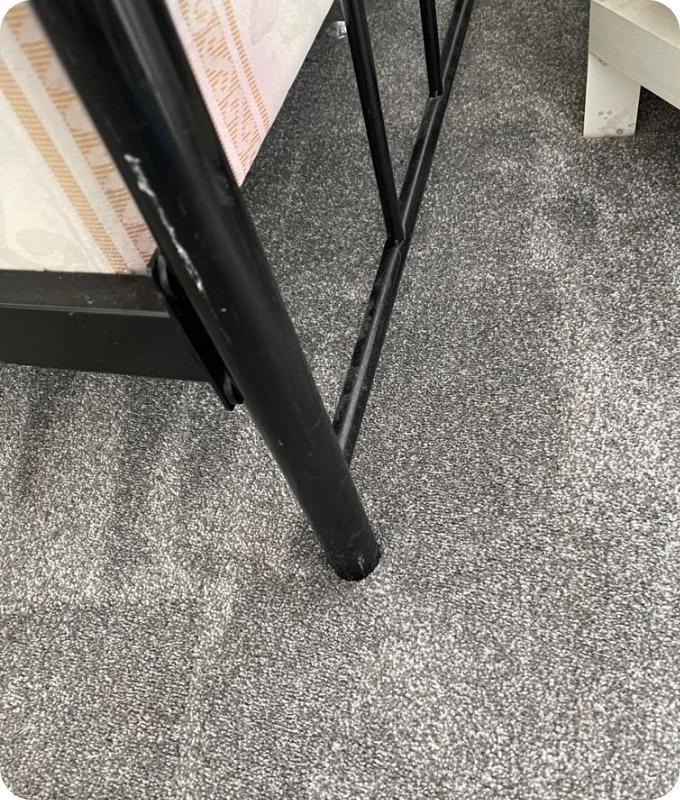
Loop pile and animals make an awkward combination. A claw catches a loop and pulls a long thread clear of the surface, and the instinct to tug it free unravels a line right across a room. The correct response is to cut the loop level with the surrounding pile using sharp scissors and leave everything else alone, which becomes invisible once the pile is groomed. Repeated snagging in one spot, usually beside a favourite chair or at the top of the stairs, is worth answering with a mat or a change of furniture position, because the damage is mechanical and no amount of cleaning addresses it.
Arranging a visit in a house with animals
Pets are best kept in one room or away from the property entirely while work is in progress, partly for their safety around hoses and hot solution and partly because a curious dog on damp pile undoes an hour of work. Pricing is by room and measured area, with heavily affected zones and any odour treatment itemised separately. Where a tenancy is ending and a deposit depends on the outcome, the floors are timed within end of tenancy cleaning across Bicester.