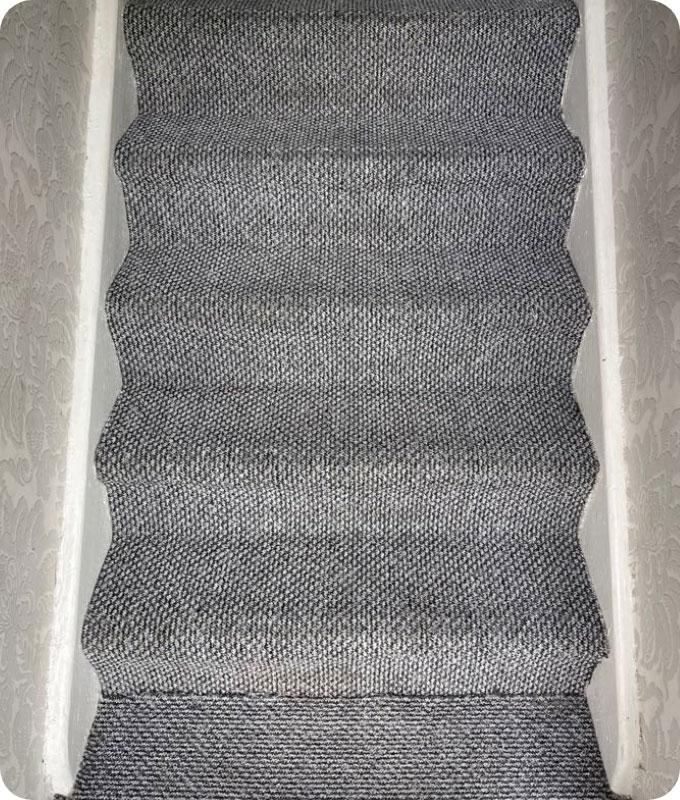
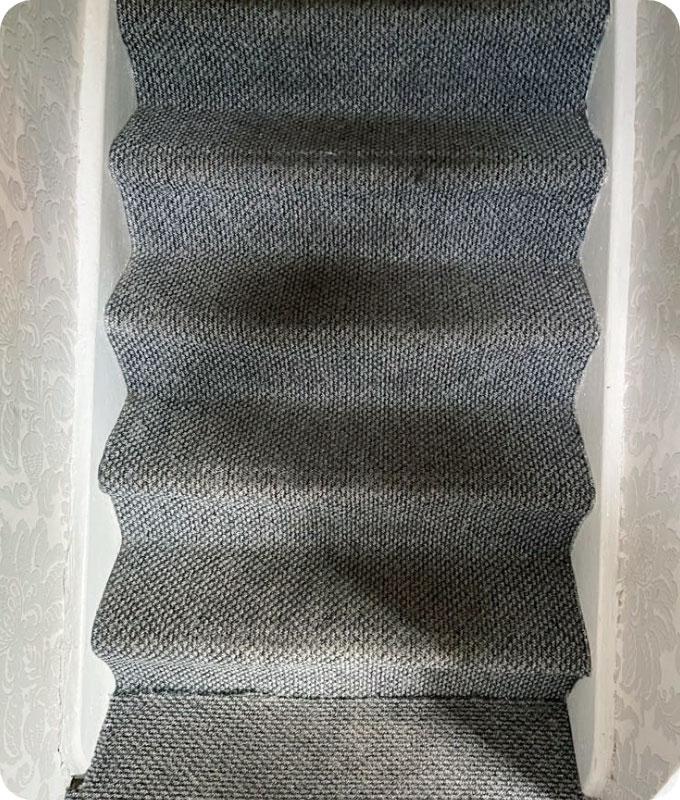
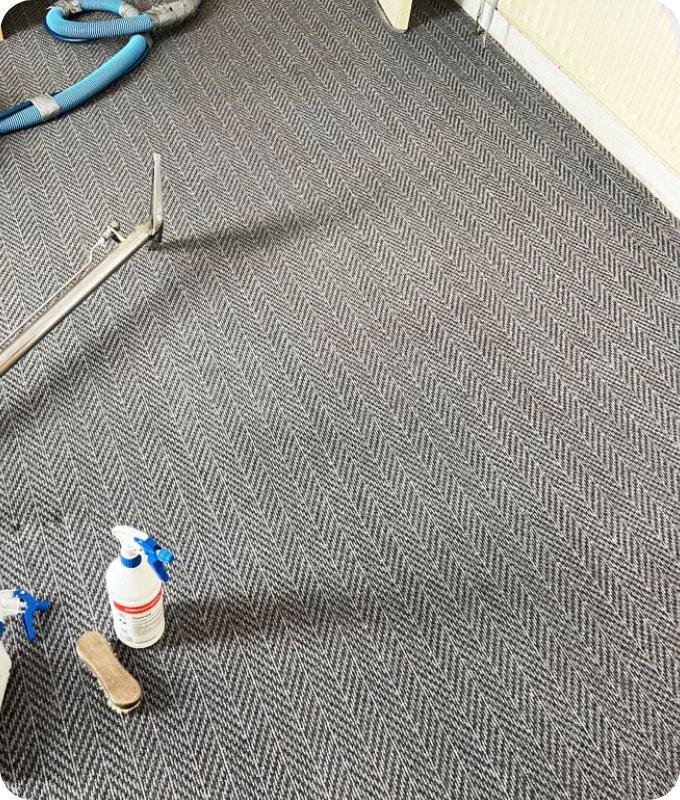
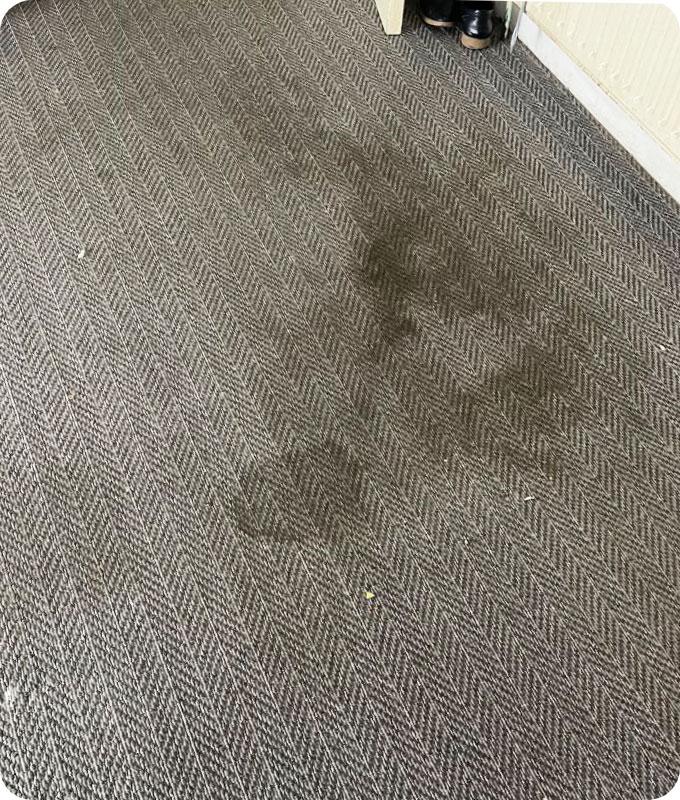
One complaint comes up more than any other: the carpet was cleaned, looked excellent for a fortnight, and then went off faster than it ever had before. That is not bad luck and it is not a dirty house. It is residue. Anything left in the pile after a wet process stays sticky, and sticky fibre collects dry soil from shoes and from the air several times more quickly than clean fibre does.
Why a carpet can soil faster after cleaning
Detergents are designed to hold soil in suspension, which is exactly what they keep doing if they are not rinsed out. Left in the yarn they attract and bind particulate, and because the deposit is even across the floor, the result reads as general dinginess rather than a stain. The fix is not another clean with more product but a flush with plain conditioned water and a low-pH rinse. Method notes covering that stage are on experienced deep carpet cleaning.
What a hire machine leaves behind
Domestic hire units have modest vacuum lift and a small tank, so they put down more solution than they recover, and the supermarket shampoos sold alongside them are deliberately high in foam. Repeated use over a few years builds a layer in the backing that no amount of vacuuming touches, and it is often the real reason a carpet is replaced. Recognising it is straightforward: the water in the recovery tank foams before any soil is visible in it.
Rinsing is the actual work
In a properly run job, pre-spray and agitation do the cleaning and the extraction stage does the removing, with far more passes spent rinsing and recovering than applying. An acidic final rinse also returns the fibre to a slightly acid pH, which is where wool and nylon are most stable and most resistant to re-soiling. The same discipline governs work carried out in our carpet cleaning service in Abingdon.
Grease along a kitchen threshold
Cooking aerosol settles within a few metres of a hob and is walked outward from there, so the strip of carpet at a kitchen doorway is oily rather than gritty and needs a solvent-based pre-treatment instead of more detergent. Treating it with the same product as the rest of the room leaves a dark band that reappears quickly. Day-to-day control of that soil belongs with cleaning services for rented homes in Banbury.
Spot products that create a second problem
Supermarket spot removers are frequently high-pH and almost always leave a residue, so the treated patch becomes a magnet and a dark ring forms slightly larger than the original spill. Blotting with plain water and a white cloth, working inward from the edge, does less harm than anything from a bottle. Fine dust after a refurbishment behaves similarly and needs the dry-first order set out under Banbury after builders cleaning team.
Foam, defoamer and the evidence in the tank
The recovery tank is the most honest instrument on any job. Water coming back heavy with soil and carrying little foam suggests a floor that has been cleaned properly before; water that froths white almost immediately says the pile is full of old detergent, whatever it looks like from above. Defoamer goes into the tank in that situation, because foam destroys vacuum lift and a machine pulling air through bubbles recovers almost nothing. A check any household can run is to press a damp white cloth hard into the pile and twist it: foam means residue rather than dirt, and another shampoo will only deepen the problem.
Putting a residued carpet right
Correcting years of over-shampooing takes longer than a routine clean and is quoted accordingly, usually as multiple rinse passes over the same area with no detergent at all, and occasionally as a second visit once the floor has dried and the result can be judged. Expectations are set honestly at the survey. Where a property is changing hands, the work is timed within our specialists in the area.