Order matters more than effort. Two people can spend the same three hours in the same house and produce completely different results, and the difference is almost never how hard they scrubbed. It is whether they worked in a sequence that stops finished work being dirtied again. Cleaning is a process with a direction, and in the older terraced and semi-detached stock around Alton, where rooms are small and everything is close together, getting that direction wrong is obvious within an hour.
Why the sequence runs downwards
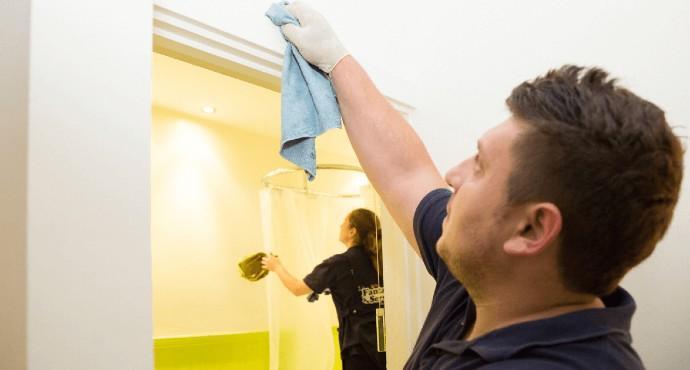
Every surface above head height holds dust that will eventually fall. Light fittings, picture rails, the tops of door frames, curtain poles and wardrobe tops all release when disturbed. If floors are done first, they are done twice. High-level dusting comes first with an extendable tool, then furniture and worktops, then the low horizontal surfaces, and only then the floor. Within a single room the same logic applies, working away from the door so the last clean square is the one nobody walks back over.
Cloth discipline and cross-contamination
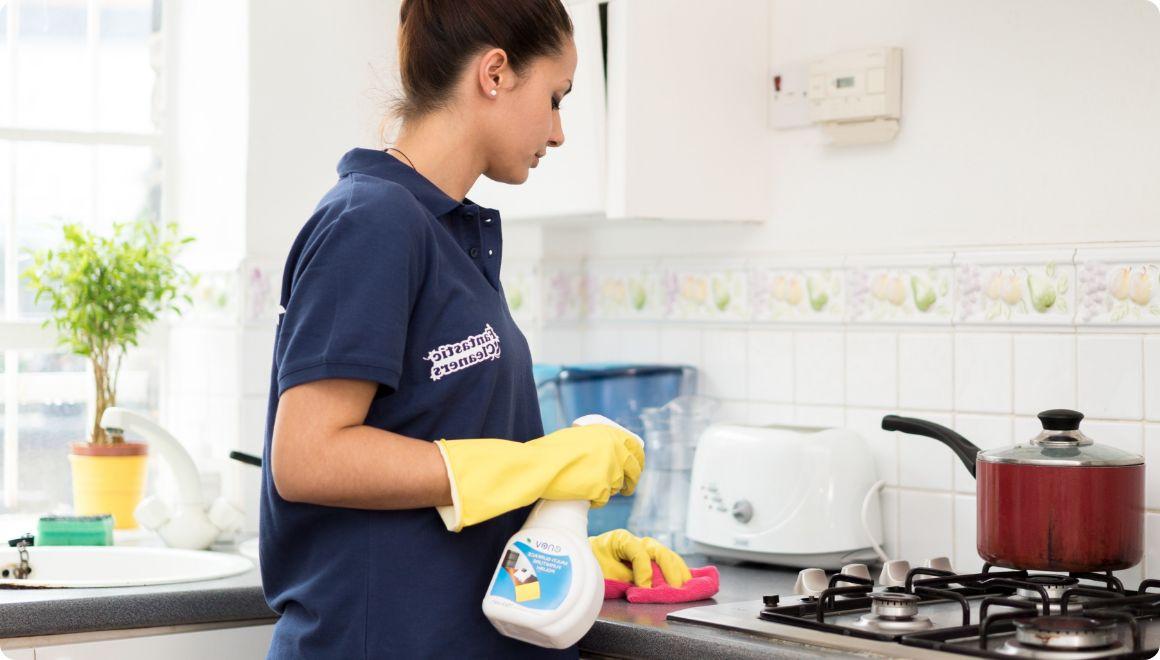
Colour-coded microfibre exists for one reason: to stop a cloth used on a toilet rim reappearing on a kitchen worktop. Separate cloths for sanitary ware, general bathroom surfaces, kitchen and dusting is the minimum, and each is folded into quarters and turned to a fresh face as it loads up rather than used as a single dirty rag. Cloths are laundered hot afterwards without fabric conditioner, which otherwise clogs the fibre and destroys the electrostatic pull that makes microfibre work at all.
Letting the product do the work
Most household chemistry needs contact time. Limescale removers, bathroom cleaners and degreasers are formulated to sit for a few minutes and break the bond between soil and surface. Spraying and immediately wiping wastes the product and leads to scrubbing that damages finishes. The efficient pattern is to apply in one room, move to another task, and come back. It also means less aggressive products can be used, which matters on the painted joinery, enamel baths and older glazed tiles common in Alton's Victorian terraces.
Narrow houses and the party-wall question
Terraced and semi-detached properties on the older streets share walls and often share a stair partition. Vacuuming a staircase transmits noise straight through, so visits tend to be scheduled in the middle of the day where neighbours are known to work shifts. Narrow hallways also restrict what equipment can be brought in, and a compact upright is frequently more useful than a large cylinder machine that snags on every turn.
Where soft flooring and ovens fall outside the routine
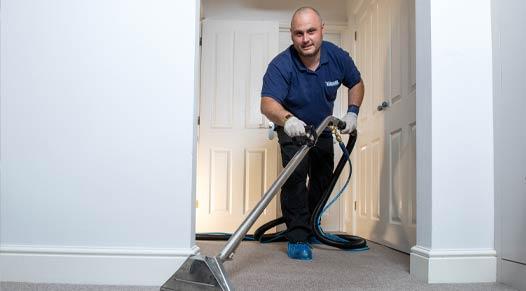
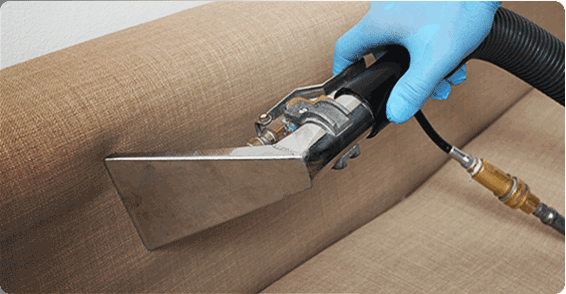
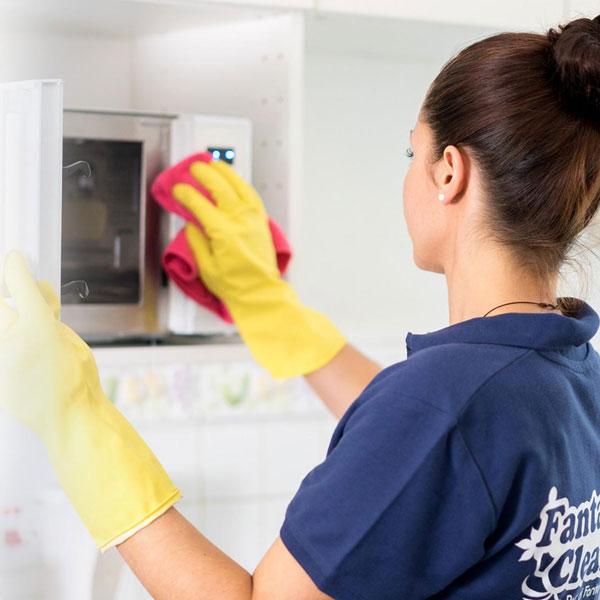
Two jobs regularly get added to a domestic booking and should not be. Fitted carpet that has dulled overall rather than in patches needs extraction rather than harder vacuuming, and that is the territory of Alton carpet cleaning service. An oven with baked deposits on the door glass and the element needs dismantling and soaking, not a caustic spray and a scourer, which is why it is handled the way the local team sets out.
Tenancy ends, and the standard that applies
An inventory check-out measures a property against its condition at the start of the let, not against a normal domestic standard, so the work is specified quite differently under the Alton branch. Households moving within the area rather than out of it often keep the same arrangement running at the new address, and the neighbouring market town is covered by fully insured cleaning services in Petersfield.
Booking, timing and what helps on the day
Visits are sold in hours rather than by property size, so a realistic estimate is better than an optimistic one. Somewhere to park within carrying distance, clear worktops, and a note of anything that should not be touched will all buy back time. A full list of what can be added to a domestic visit appears on cleaning services for landlords.