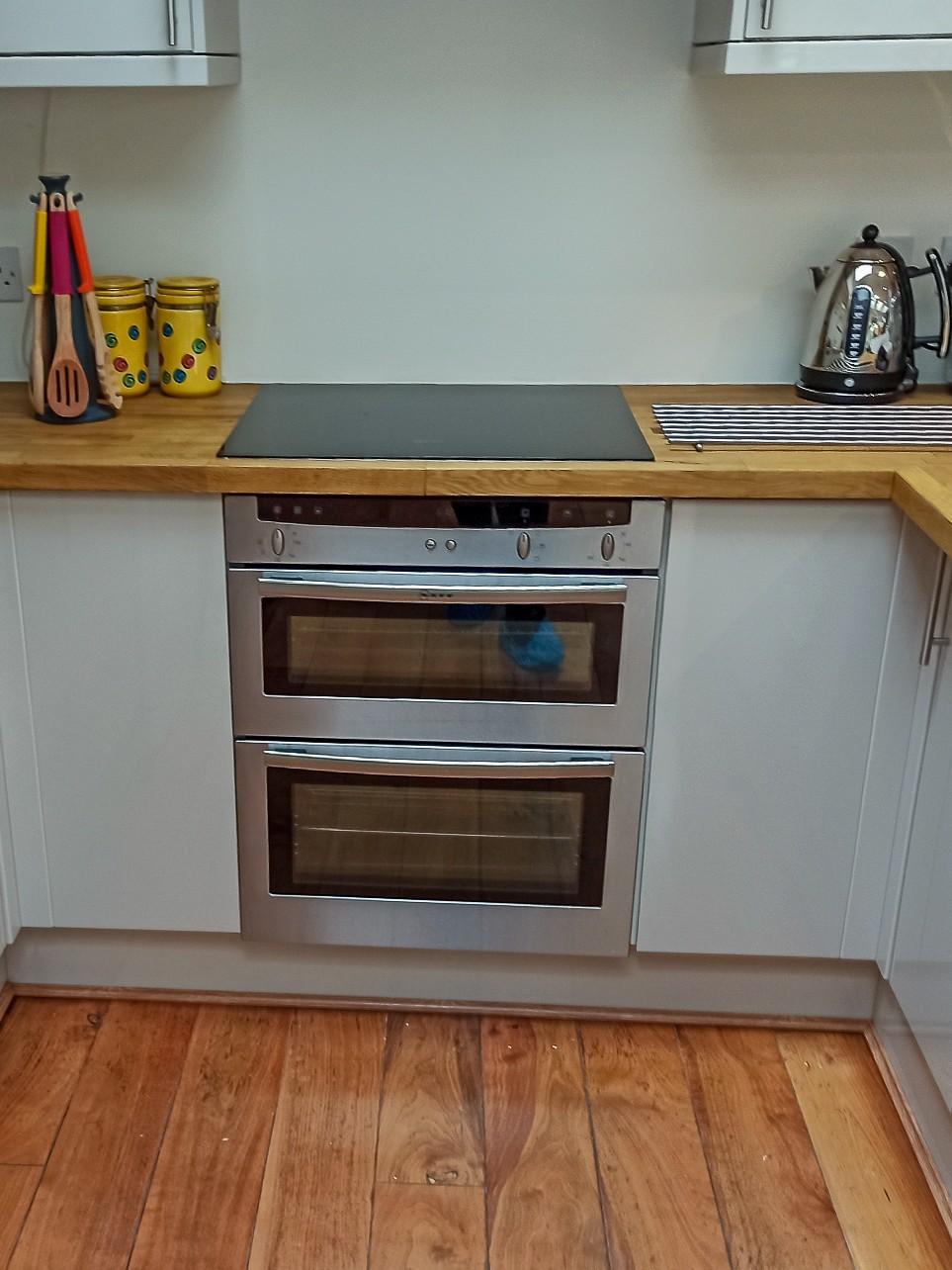
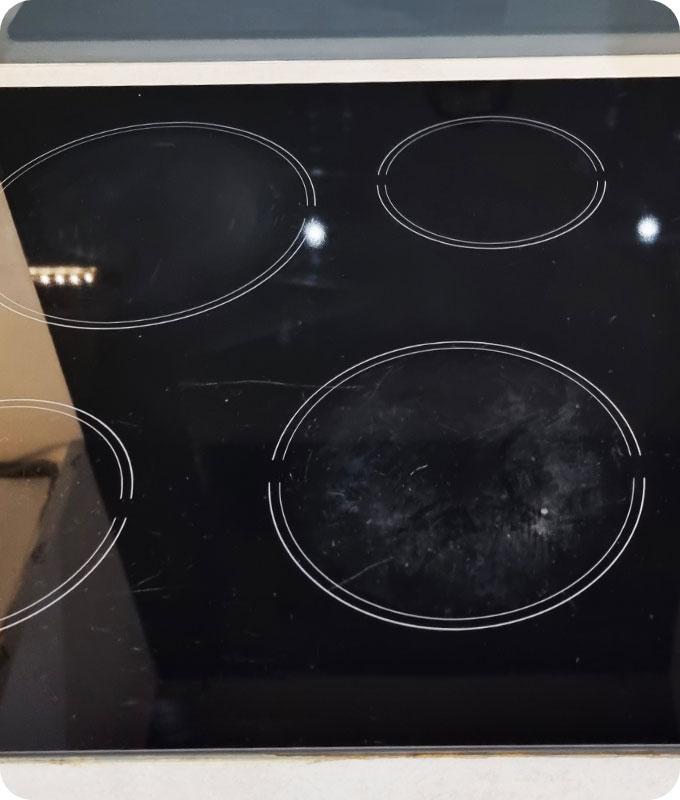
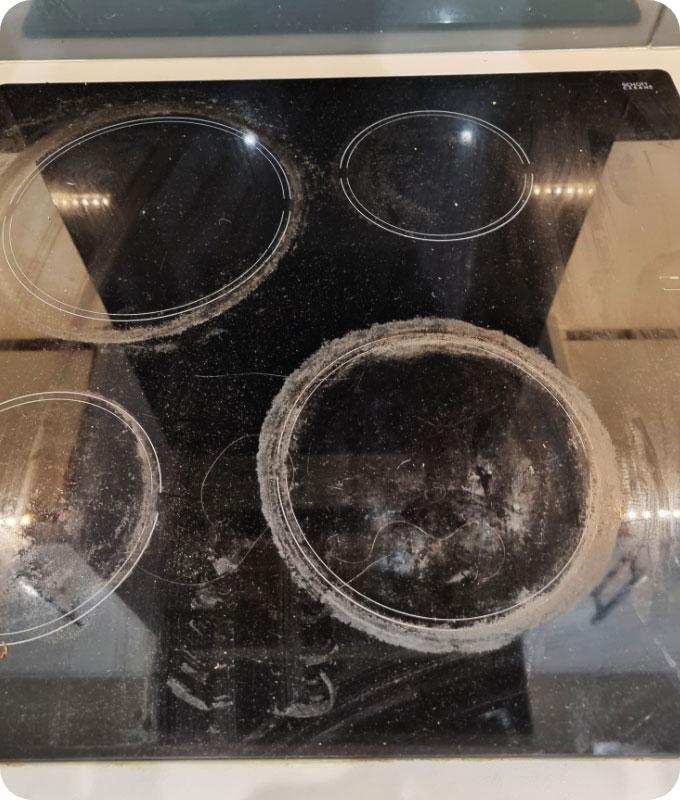
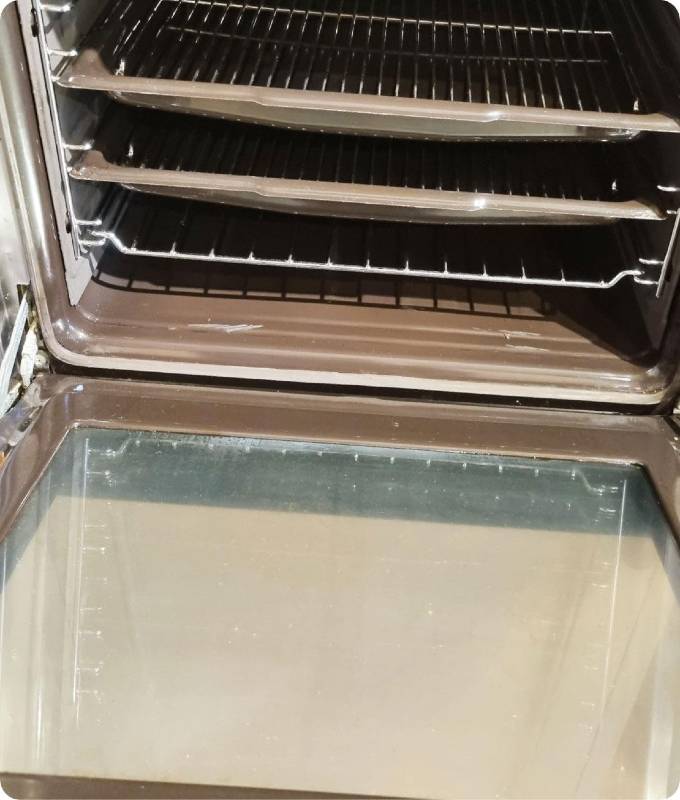
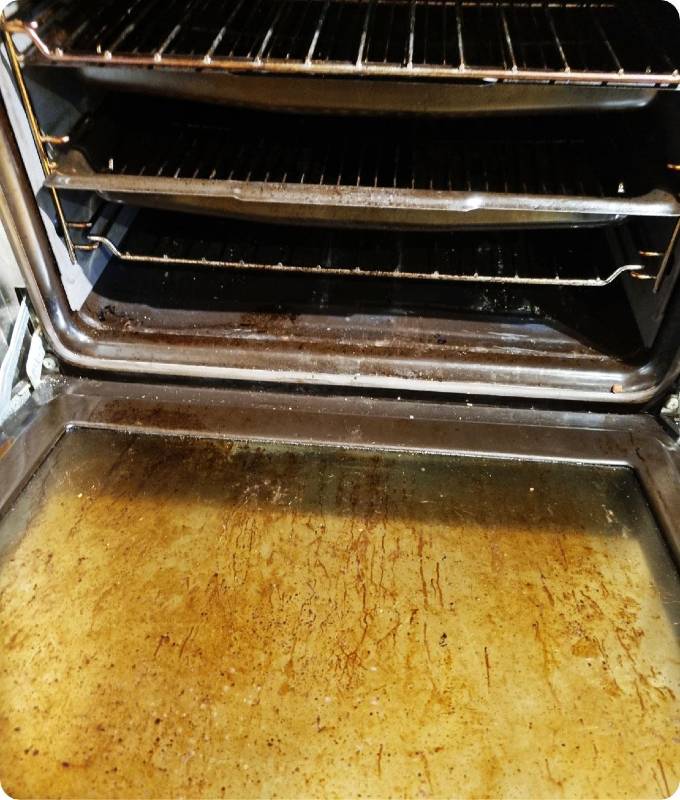
Watford has a dense and varied housing mix. Terraced streets close to the town centre, purpose-built flats around the ring road, larger Victorian semis in Nascot Wood, and newer builds on estates further out all share one common feature in the kitchen: an oven that collects grease and carbon over time and becomes increasingly difficult to clean with standard household methods the longer it is left.
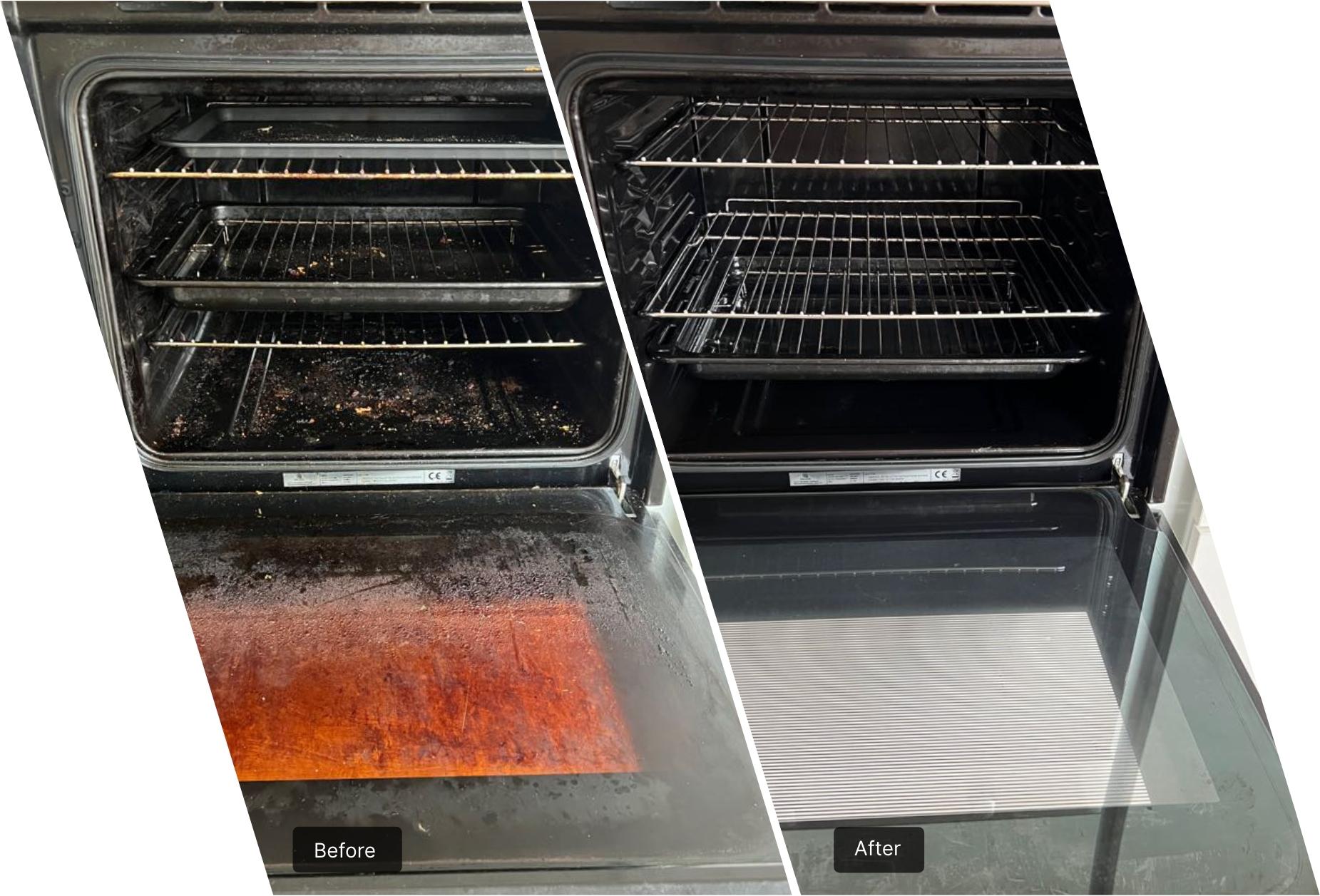
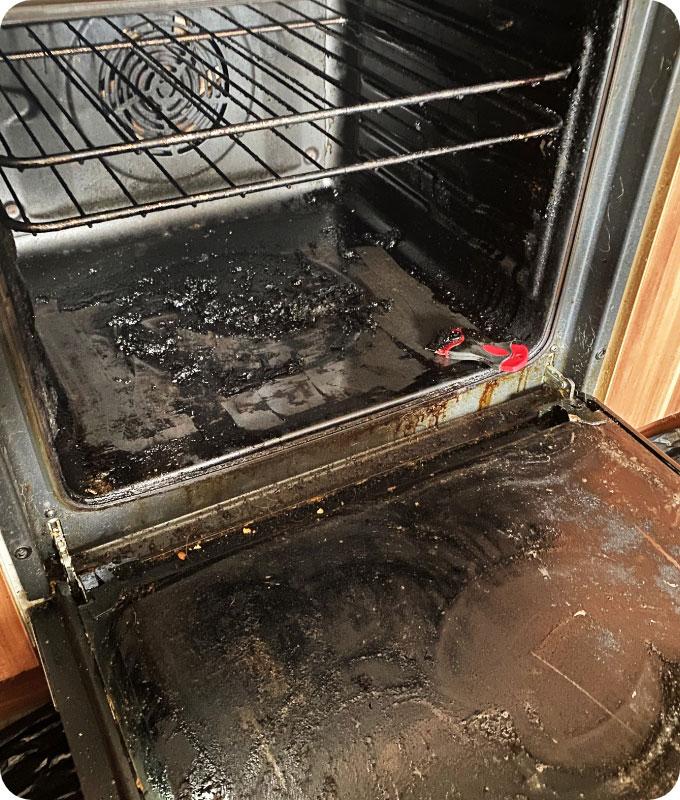
On arrival, the technician's starting point is always the same. Protective floor sheets go down first. They then spend a few minutes looking at the appliance, identifying the oven type, checking the condition of the door seal, and noting where the worst build-up is concentrated. Ovens that have been in heavy use, or that have not been professionally cleaned for some time, sometimes present with carbonised grease that has set hard around the lower element and base edges. Knowing this in advance helps the technician allocate time correctly.
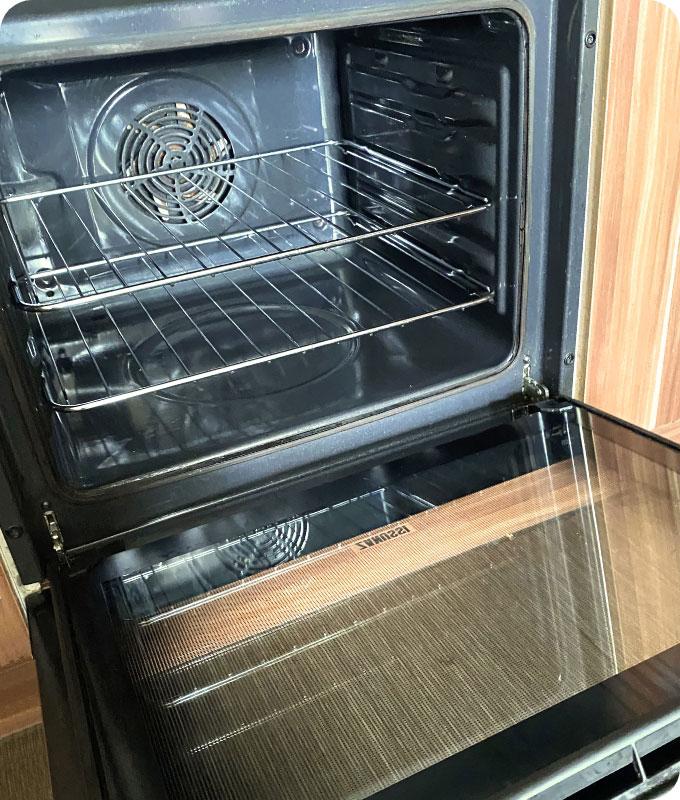
- Individually treated interior surfaces: Each wall, the base, and the roof are cleaned in sequence for a consistent, thorough result.
- Dip tank soak at temperature: Heated citric acid solution breaks down carbon on racks, grill pans, and glass panels without abrasion.
- Both sides of the door glass polished: Full clarity restored to inner and outer panels.
- Hob and extractor fan add-ons: Either or both can be included during the same visit.
- No caustic compounds used: Safe for households with young children, pets, or occupants with sensitivities to chemical fumes.