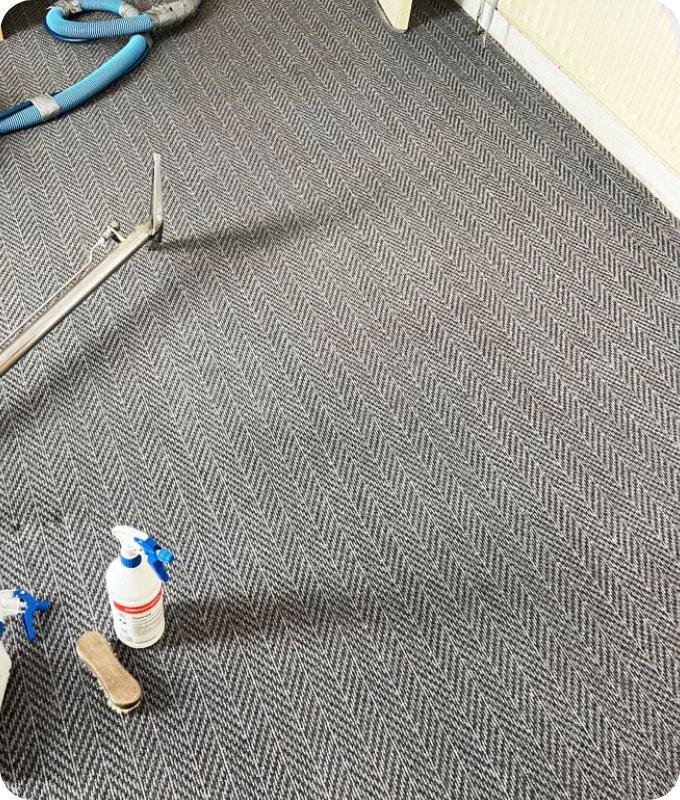
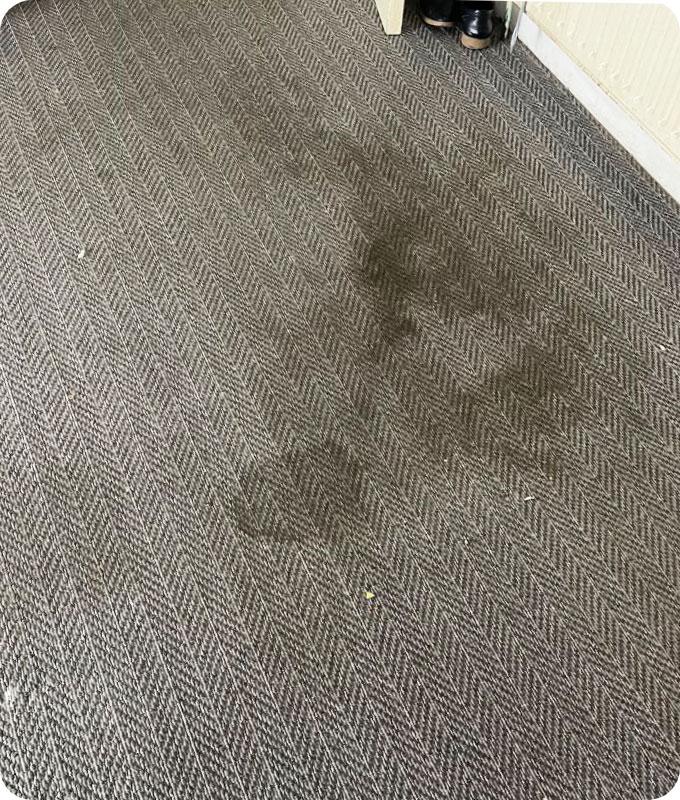
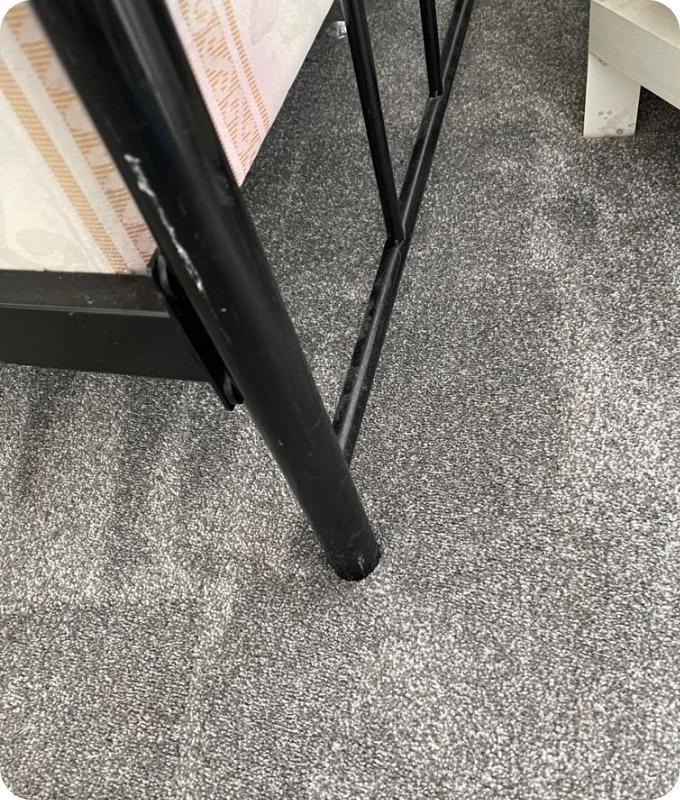
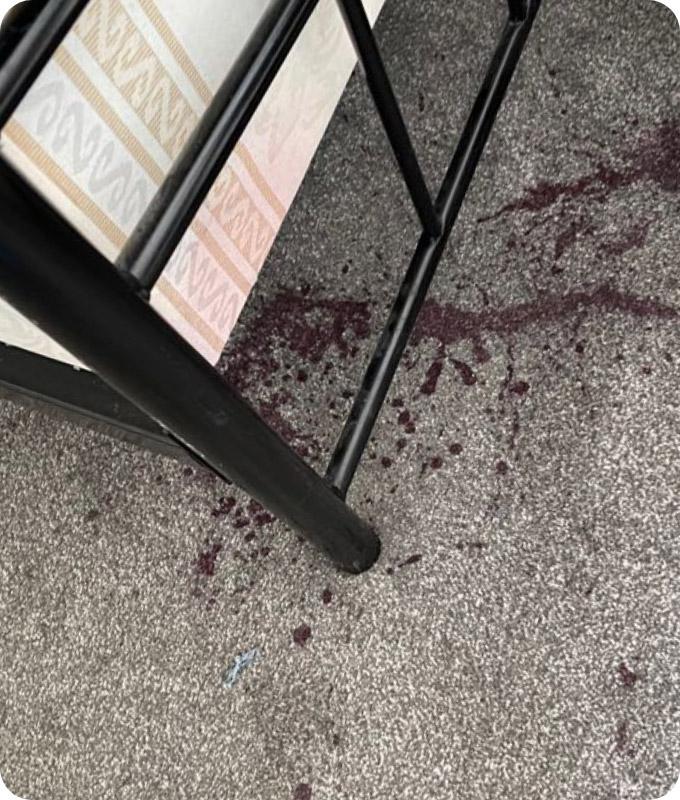
Carpets that get dirty again within weeks of being cleaned are usually not unlucky, they are badly rinsed. Detergent left in the pile stays slightly tacky, and every particle of dry soil that lands on it sticks instead of being vacuumed away. That is the single most common complaint after a cheap clean in AL1, and it is entirely avoidable — but it takes more water, more extraction passes and a deliberate decision about the chemistry of the final rinse than a quick pass allows.
Why a poorly rinsed carpet soils faster afterwards
Cleaning solutions are designed to hold soil in suspension so it can be extracted. Anything not extracted keeps that property in the fibre, attracting and binding whatever walks in next. The result is a carpet that looks excellent for a fortnight and worse than before by the second month. Avoiding it means extracting until the recovery water runs clear, then rinsing again with nothing but water, which is the approach described on fully insured rug cleaning.
Chalk water and the acid rinse
St Albans sits on chalk and the mains supply is hard. Hard water carries dissolved minerals into the pile, reduces the efficiency of the cleaning solution and leaves its own faint residue as it dries. A mildly acidic rinse serves two purposes here: it neutralises the alkaline prespray so nothing alkaline is left sitting on wool, and it prevents mineral scale from setting in the fibre. On wool in particular, ending alkaline is what causes yellowing months later.
The dry soil that leaves before any water arrives
Most of what is in a carpet is dry, and dry soil is removed far more effectively by vacuuming than by any wet process. Slow, overlapping passes in two directions before the machine is switched on typically lift more weight of material than the extraction itself. Much of that grit arrives from outside on shoes, and where a front path or patio is shedding sand and moss it keeps arriving; cleaning those surfaces under professional decking cleaning in St Albans reduces the load at source.
Wool twist in the older houses
Period and interwar properties in the district still hold a lot of wool, and wool is a protein fibre with rules of its own. Oxygen bleach and high-alkaline traffic-lane cleaners strip its natural scales and lighten the colour permanently. Temperature is capped, dwell time is short, and colour is tested on a hidden corner before anything is applied to a visible area. Neighbouring housing shares that fibre profile, and the team covering Welwyn Garden City is handled to the same limits.
Fines left in the pile after building work
Where a house has been extended or replastered, the carpet holds construction dust down at the backing, and it emerges under footfall for weeks. Vacuuming reaches the top of it only. Extraction with plenty of rinse is the only method that empties the base of the pile, and the timing matters: doing it before the last coat of paint wastes the visit. A whole-property builders clean is a separate job, quoted as the St Albans branch.
New carpet over a fresh screed
New-build and heavily refurbished homes present the opposite problem. The carpet is clean but the screed below it is not fully dry, and the underlay wicks moisture and fine dust upward, showing as grey shadowing along the room edges within the first year. Low-moisture methods and short drying windows are used in that situation rather than heavy flushing. Estates on the other side of the district, covered by local after builders cleaning across Hatfield, throw up the same pattern.
What a booking covers and how it is priced
Charging is by room or by area rather than by the hour, with stairs counted as their own item because they take as long as a bedroom. Small furniture is moved and replaced on protectors; wardrobes and beds stay where they are unless emptied beforehand. Expect several hours of drying with windows open, longer in winter. Tenancy check-outs run to a stricter standard and are usually booked as part of our end of tenancy cleaning service in St Albans so that one report covers everything.