

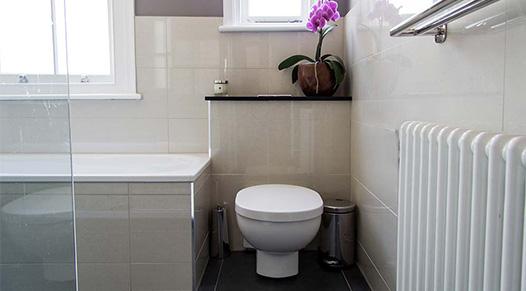
TL;DR — Toilet Installation Cost At A Glance
- Like-for-like labour is usually £100–£200 outside London and £150–£550 for supply and fit, rising to £150–£550 in London.
- A straightforward close-coupled swap is the cheapest job; concealed (wall-hung) and smart toilets cost far more because of extra framing, cistern work and, in some cases, power.
- The toilet itself costs £100–£250 for a standard model, £250–£600 for a concealed cistern, and £500–£4,000+ for a smart (Japanese) toilet.
- Cost drivers are the toilet type, whether the soil pipe and water feed line up, wall or floor work, your location and access.
- A full bathroom refit or a repositioned toilet costs much more than a like-for-like replacement in the same spot.
- Buying the toilet yourself and keeping the same position is the surest way to keep the bill down.
Get a fixed price to install a toilet — check prices and book online or arrange a visit that suits you.
 Add to Preferred Sources
 How Much Does Toilet Installation Cost In 2026?
Replacing a toilet like-for-like costs £100–£200 in labour across most of the UK, or £150–£450 for supply and fit where the plumber provides the unit. In London and the South East, the all-in figure runs to £150–£550. At the top end, fitting a concealed wall-hung unit or a smart toilet as part of a wider bathroom project can reach several hundred pounds in labour alone, plus the price of the toilet.
The cheapest scenario by far is swapping an old close-coupled toilet for a new one in the same position, using the existing soil pipe and water supply. Costs climb when the new toilet sits differently — a wall-hung pan needs a supporting frame and a concealed cistern built into the wall — or when the soil connection, waste or water feed has to be moved. As with most bathroom jobs, the minimum call-out sets the price floor, so a simple swap is dominated by the first hour or two of labour.
Here is what you can expect to pay to fit a toilet, by type:
As a member of the Fantastic Club, you can get £30 OFF for 10 different services within 1 year.
| Toilet type | Rest of UK (fitting) | London & South East (fitting) |
|---|---|---|
| Close-coupled toilet | £150 – £250 | £180 – £300 |
| Low-level cistern | £200 – £300 | £300 – £400 |
| High-level cistern | £200 – £300 | £300 – £400 |
| Concealed / wall-hung cistern | £300 – £400 | £400 – £500 |
| Smart (Japanese) toilet | £500 – £600 | £600 – £700 |
Figures include VAT and reflect 2026 market rates. Concealed and smart units cost more because of framing, cistern work and, where relevant, an electrical supply — get a fixed quote here.
Toilet Installation Cost Breakdown: The Toilet Itself
The toilet unit is a separate cost from the fitting. Prices range enormously between a basic close-coupled pan and a fully featured smart toilet:
| Toilet type | Typical unit price (inc VAT) |
|---|---|
| Close-coupled toilet | £100 – £250 |
| Low-level cistern | £125 – £200 |
| Concealed / wall-hung cistern | £250 – £600 |
| High-level cistern | £300 – £700+ |
| Smart (Japanese) toilet | £500 – £4,000+ |
Combine the unit with the fitting and a standard close-coupled installation lands around £250–£450 all-in. A concealed wall-hung setup is typically £550–£1,000+, and a smart toilet can run well past £1,500 once the unit, the framing and any electrics are included. That is why the widely quoted headline range for a new toilet stretches from a few hundred pounds to £5,000+ — the toilet you choose matters far more than the labour.
Average Toilet Installation Costs in 2026
What Affects The Cost Of Toilet Installation?
1. The Type Of Toilet
Close-coupled toilets are the quickest and cheapest to fit. Wall-hung and concealed-cistern models need a supporting frame and the cistern hidden in the wall, which adds hours. Smart toilets add electrical and, sometimes, water-filtration connections.
2. Like-For-Like Vs Repositioning
Keeping the toilet in the same spot, connected to the existing soil pipe and water feed, is the low-cost route. Moving the toilet means re-routing the soil pipe and waste — a much bigger job that can involve the floor and other trades.
3. Soil Pipe And Water Connections
If the new toilet's outlet does not line up with the existing soil connection, or the waste needs adapting, expect extra labour and parts. Old or awkward connections are a common reason a "simple" swap takes longer than expected.
4. Wall And Floor Work
Concealed cisterns need a stud wall or frame; some installs need tiling made good afterwards. Any building or tiling work sits on top of the plumbing cost.
5. Your Location
London and the South East run roughly 15–30% higher than the North of England, Wales and Scotland, reflecting higher labour and disposal costs.
6. Access And Disposal
Upstairs bathrooms, tight spaces and removing the old toilet all add time. Disposal of the old unit may be charged separately.
What's Included — And What's Not
Typically included in a like-for-like toilet installation:
- Removing and disposing of the old toilet
- Fitting the new pan and cistern in the same position
- Connecting to the existing soil pipe and water supply
- Fitting the seat and testing the flush for leaks
- Small consumables such as seals and pan connectors
Usually charged separately:
- The toilet unit, if the plumber supplies it
- Re-routing the soil pipe or waste for a repositioned toilet
- Building a stud wall or frame for a concealed cistern
- Electrical work for a smart toilet
- Tiling or flooring made good afterwards
Get the scope in writing so there are no surprises on the final bill.
Can You Install A Toilet Yourself?
Swapping a close-coupled toilet like-for-like is achievable for a confident DIYer: isolate the water, drain and remove the old pan, fit the new pan connector, secure the pan, mount the cistern and test the flush. Doing it yourself saves the labour, and the parts (pan connector, seals, fixings) are inexpensive.
The risks are worth taking seriously. A poorly sealed pan connector can leak into the floor below, and a badly fitted pan can crack. Bring in a professional for wall-hung or concealed cisterns (which need a properly fixed frame), for repositioning the toilet, for smart toilets with an electrical supply, and any time the soil connection does not line up cleanly. A professional fit also means the flush, seal and fixings are guaranteed.
Toilet Installation Cost UK [2026]
 As a member of the Fantastic club, you can get £30 OFF for 10 different services within 1 year.
| Monday – Friday | Weekend | Weekend | ||
|---|---|---|---|---|
| Appointments | 08:00 - 18:00 | Before/After Working Hours | 08:00 - 17:30 | Before/After Working Hours |
| First half hour* | £61 | £87 | £77 | £87 |
| Subsequent half hours | £49 | £75 | £65 | £75 |
| Half day (4 hours) | --- | --- | --- | --- |
| Full day (8 hours) | £569 | --- | --- | --- |
Join the Fantastic Club and get:
- £300 in credits
- Preferential member rates
- Domestic cleaning from £18/h
- Plant a tree
- Priority booking & case handling
*Minimum time per appointment is 1 hour. After the first hour, we will charge on a half-hour basis.
**In cases where we need to purchase all the materials necessary for the completion of the job, shopping time and material costs will be added separately on the top of your bill. The standard hourly rate for shopping time is £52.
T&Cs and Minimum Charges apply. When we calculate the price, we also take into consideration the area's dimensions and the time of the appointment. All prices and deals are valid for areas within M25. Deals cannot be combined with any other deals and promotions. Prices are subject to availability. Congestion charges are excluded (when applicable).How To Save Money On Toilet Installation
- Keep the toilet in the same position to avoid re-routing the soil pipe — the single biggest saving.
- Choose a close-coupled model unless you specifically want a wall-hung look.
- Supply your own toilet once you have checked the outlet type (bottom or back) matches your soil connection.
- Bundle it with other bathroom jobs, such as a tap installation or a leaking pipe repair, in one visit.
- Book in normal hours to avoid emergency premiums.
- Get 2–3 quotes and compare what each includes — removal, disposal and making good all vary.
How To Hire A Good Plumber
Ask for recommendations, check reviews, and get a written quote that states whether the toilet is supplied, what happens if the soil connection needs adapting, and whether removal and disposal are included. Confirm the plumber or bathroom fitter is insured, and for smart toilets, that the electrical element is handled by a qualified person.
With Fantastic Services, you get vetted, insured tradespeople, transparent pricing and online booking — describe the toilet and get a price up front.
Frequently Asked Questions
How Much Does It Cost To Install A Toilet?
In 2026, a like-for-like toilet installation costs £100–£200 in labour, or £150–£450 for supply and fit, across most of the UK. London runs to £150–£550, and concealed or smart toilets cost more once framing and any electrics are added.
How Much Does The New Toilet Cost?
The unit alone costs £100–£250 for a standard close-coupled toilet, £250–£600 for a concealed cistern, and anywhere from £500 to £4,000+ for a smart (Japanese) toilet.
What's The Difference Between Each Type Of Toilet?
Close-coupled toilets have the cistern sitting on the pan and are the most common and cheapest to fit. Low- and high-level cisterns are mounted above the pan. Concealed (wall-hung) toilets hide the cistern in the wall on a supporting frame. Smart toilets add features such as heated seats and washing, and need power.
What Affects The Cost Of Toilet Installation?
The toilet type, whether it stays in the same position, how well the soil pipe and water feed line up, any wall or floor work, your location, and access all affect the final price. Repositioning a toilet is the biggest cost driver.
How Long Does It Take To Install A Toilet?
A like-for-like close-coupled swap usually takes 1–2 hours. A concealed wall-hung unit, or a repositioned toilet needing new soil pipework, can take half a day or more.
Can You Install A Toilet Yourself?
A confident DIYer can swap a close-coupled toilet in the same position. Call a professional for wall-hung or concealed cisterns, for repositioning, for smart toilets, or if the soil connection does not line up.
Where Can You Find A Plumber To Install A Toilet?
Use a vetted, insured provider such as Fantastic Services, where you can book online, see pricing up front and pick a slot that suits you.
