

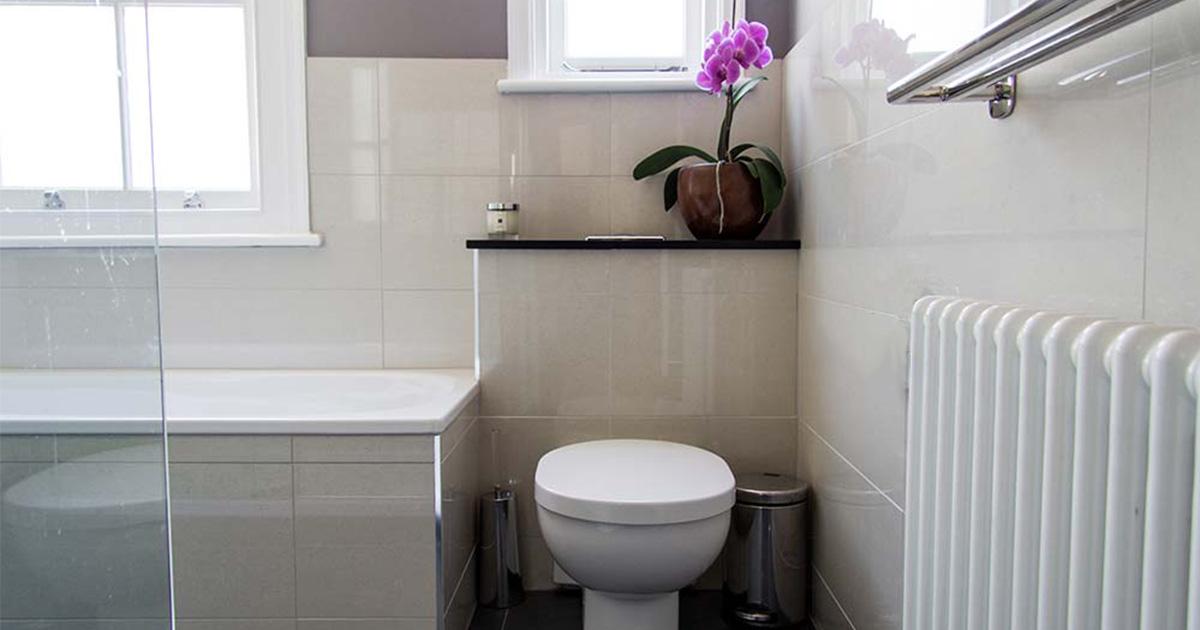
TL;DR — Toilet Seat Repair Cost At A Glance
- Most toilet seat repairs cost £40–£90 outside London, rising to £55–£110 in London and the South East.
- Tightening a loose seat or fixing a wobble is quick and cheap; replacing the seat entirely (supply and fit) sits at the top of the range.
- The job usually takes under an hour, so it typically falls within a handyman's minimum call-out.
- Cost depends on the type of repair, the seat and fittings, and when you book.
- The seat itself costs £15–£80 — a plastic seat is cheapest, a soft-close or wooden seat dearest.
- Bundle the repair with other bathroom or odd jobs to make the call-out worthwhile.
- Get a fixed price for toilet seat repair — check prices and book online or add it to a list of odd jobs in one visit.
 Add to Preferred Sources
 How Much Does Toilet Seat Repair Cost In 2026?
Repairing a toilet seat in the UK costs £40–£90 outside London, rising to £55–£110 in London and the South East. It is one of the smallest jobs a handyman handles, usually taking under an hour, so most of the price is the minimum call-out rather than the work itself. That is why it rarely pays to book a tradesperson for a wobbly seat alone — it is far better value alongside other tasks.
The type of repair sets the price within the range. Tightening a loose seat, fixing a wobble or realigning a seat that has shifted are all fast, low-cost fixes. Replacing the seat entirely — removing the old one and fitting a new seat and fixings — sits at the top of the range once the seat is included. The fittings themselves (hinges, bolts, rubber washers) are inexpensive, so labour and the call-out make up most of a small repair.
It is worth knowing when to repair and when to replace. If the fixings have simply worked loose, a repair takes minutes. If the seat is cracked, warped or the hinge plates have snapped, fitting a new seat is usually the better spend — modern seats are cheap and clip on quickly. Here is what toilet seat repairs cost:
| How you book | Rest of UK | London |
|---|---|---|
| Typical repair | £40 – £90 | £55 – £110 |
| Handyman hourly rate | £30 – £50 | £45 – £65 |
| Minimum call-out (first hour) | £40 – £60 | £60 – £90 |
Figures include VAT where applicable and reflect 2026 market rates — get a fixed quote here.
Toilet Seat Repair Cost By Type Of Job
Most toilet seat problems fall into a few common jobs. These are typical prices for each, with the seat itself charged separately on a full replacement:
| Type of repair | Rest of UK | London |
|---|---|---|
| Tightening a loose seat | £40 – £60 | £55 – £80 |
| Replacing seat hinges or fittings | £40 – £70 | £60 – £90 |
| Fixing a wobbly or misaligned seat | £40 – £60 | £55 – £80 |
| Replacing the seat (supply and fit) | £60 – £90 | £75 – £110 |
The seat itself is an extra cost on a replacement. A standard plastic seat runs about £15–£40, a soft-close seat £25–£60, and a wooden or shaped (D-shape or square) seat £30–£80+. Bringing your own seat lets you choose the style and avoid any markup.
What Affects The Cost Of Toilet Seat Repair?
1. The Type Of Repair
This is the main driver. Tightening or realigning a seat is a five-minute job; replacing hinge plates or the whole seat takes longer and may need parts, moving you up the range.
2. The Seat And Fittings
A standard seat with simple top-fixing bolts is quick to swap. Soft-close and quick-release seats, or older seats with hidden or corroded fixings, can take longer, especially if a rusted bolt has to be cut off.
3. Corroded Or Seized Bolts
The most common complication is a fixing that has seized or rusted, particularly on older toilets. Freeing or cutting off a stubborn bolt adds time and is a frequent reason a "quick" job takes longer.
4. Access And Toilet Type
A standard close-coupled toilet is easy to reach. Back-to-wall and concealed-cistern toilets, or a cloakroom with tight access, can make fitting fiddlier and add a little time.
5. Location And Timing
London and the South East run 15–30% higher than the rest of the UK. Evening, weekend and same-day call-outs also cost more than a standard weekday slot.
What's Included — And What's Not
Typically included:
- Diagnosing the fault and tightening, realigning or refitting the seat
- Fitting a new seat or hinge set you have ready
- Checking the seat sits level and secure after the repair
- Use of standard tools and a tidy finish
Usually charged separately:
- A replacement seat, if the handyman supplies it
- New hinges, bolts or fixing kits, if not already to hand
- Cutting off a badly seized or corroded bolt (may add a little time)
- Any other bathroom or plumbing work spotted during the visit
Get the quote in writing, with the seat and any parts listed separately, so you know whether tightening or replacing is the better choice.
Can You Do It Yourself?
Fitting or tightening a toilet seat is one of the more DIY-friendly jobs in the home. Most modern seats fix with two bolts through the top of the pan, come with clear instructions, and can be swapped in 10–15 minutes with a screwdriver or spanner. Buying a like-for-like seat and fitting it yourself saves the whole labour cost.
Bring in a professional when a bolt has seized or rusted and won't budge, when the fixings are hidden or awkward, or when you would simply rather not deal with it. A handyman will free or cut off a stubborn fixing without cracking the pan, and get the new seat sitting square and secure. If the toilet pan itself is cracked or the fixing holes are damaged, that is a plumbing job rather than a seat repair.
How To Save Money On Toilet Seat Repair
- Bundle it with other jobs — a seat repair alone barely fills the minimum call-out, so add other bathroom or odd jobs.
- Fit a new seat yourself — a like-for-like replacement is one of the easiest DIY swaps.
- Buy your own seat — choose the style you want and avoid any supply markup.
- Measure before you buy — check the pan shape and fixing spacing so the new seat fits first time.
- Book a standard weekday slot rather than an emergency call-out.
- Replace rather than repeatedly tighten a seat that keeps working loose — new fixings solve it for good.
How To Hire A Good Handyman For Toilet Seat Repair
Toilet seat repair is a straightforward handyman job. Confirm the tradesperson holds public liability insurance, ask for reviews, and get a written quote covering labour and any parts. Because it is such a small task, the best value comes from combining it with other jobs — a good handyman will happily work through a short list in one visit.
With Fantastic Services, you get vetted, insured handymen, transparent pricing and online booking — describe the fault, or your full list of odd jobs, and get a price up front.
Frequently Asked Questions
How Much Does It Cost To Repair A Toilet Seat?
In 2026, toilet seat repairs cost £40–£90 outside London and £55–£110 in London. Tightening or realigning a seat is cheapest, while replacing the seat entirely (supply and fit) sits at the top of the range.
How Much Does A New Toilet Seat Cost?
The seat itself costs about £15–£40 for a standard plastic seat, £25–£60 for a soft-close seat, and £30–£80+ for a wooden or shaped seat. This is on top of fitting if a handyman supplies and installs it.
How Long Does It Take To Repair A Toilet Seat?
Most toilet seat repairs take under an hour, and often just 15–20 minutes. The main thing that slows the job is a seized or corroded fixing bolt that has to be freed or cut off.
Should You Repair Or Replace A Toilet Seat?
Repair if the fixings have simply worked loose — that takes minutes. Replace if the seat is cracked, warped or the hinges have snapped, as a new seat is cheap, quick to fit and better value than a patched-up one.
Can You Replace A Toilet Seat Yourself?
Yes — it is one of the easiest DIY jobs. Most seats fix with two bolts through the top of the pan and come with instructions, so a like-for-like swap takes 10–15 minutes. Call a professional only if a bolt has seized or the fixings are awkward.
Why Does A Toilet Seat Keep Coming Loose?
Usually because the fixing bolts have worked loose over time, or the rubber washers have perished. Tightening them often fixes it; if it keeps happening, a new fixing kit or seat with better fittings will solve it for good.
