

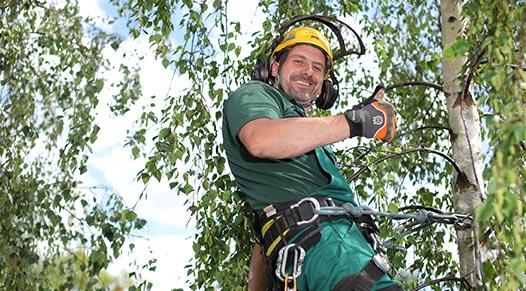
TL;DR — Pruning Cost At A Glance
- Pruning costs £25 – £45 per hour outside London and £35 – £55 per hour in London and the South East.
- A small pruning job costs £40 – £120; a bigger session of shrubs, roses and climbers is around £150 — the typical mid-range spend.
- This guide covers shrubs, bushes, roses, climbers and small ornamental trees. Large or tall trees are tree surgery, priced by the day.
- Cost depends on how many plants, their size and condition, the time of year, and access.
- Pruning is usually labour only — expect green-waste removal (£20 – £50) to be charged on top.
- Regular, well-timed pruning is cheaper than an occasional hard cut-back, and keeps plants healthier and flowering better.
Get a fixed price for pruning and trimming — check prices and book online or book it as part of a garden visit.
 Add to Preferred Sources
 How Much Does Pruning Cost In 2026?
Pruning in the UK costs £25 – £45 per hour on average, rising to £35 – £55 per hour in London and the South East. Most pruning is priced by time because jobs vary so much — from a quick tidy of a few roses to a full afternoon shaping shrubs, climbers and border plants.
As a job, a small pruning task costs £40 – £120, while a larger session comes in around £150 — the typical mid-range spend for a garden's worth of shrubs and bushes. The final figure comes down to how many plants need attention, how big and overgrown they are, and how fiddly the work is (formal shaping and wall-trained plants take longer than a rough cut-back).
A quick but important distinction: this guide is about pruning shrubs, bushes, roses, climbers and small ornamental trees — the kind of work a gardener does. Large or tall trees are a different, specialist job done by a qualified tree surgeon and priced by the day, because it involves working at height, chainsaws and formal safety certification. If your "pruning" job is really a mature tree, see the tree surgeon guide.
Here's what you can expect to pay for shrub and bush pruning across the UK:
| How you book | Rest of UK | London & South East |
|---|---|---|
| Per hour | £25 – £45 | £35 – £55 |
| Small job (a few shrubs/roses) | £40 – £120 | £60 – £160 |
| Typical job (garden's worth of shrubs) | £120 – £180 | £160 – £250 |
| Green-waste removal (add-on) | £20 – £50 | £30 – £60 |
Figures include VAT where applicable and reflect 2026 market rates. Your exact price depends on the plants and your postcode — get a fixed quote here.
Pruning Cost By Job Size
Because pruning is priced by time, the size of the job — how many plants and how overgrown — is what moves the price. These are typical ranges, before off-site waste removal:
| Job size | What it covers | Estimated time | Rest of UK | London |
|---|---|---|---|---|
| Small | A few shrubs, roses or a single climber | 1 – 2 hrs | £40 – £90 | £60 – £120 |
| Medium | Several shrubs plus light climbers/hedging | 2 – 4 hrs | £90 – £150 | £120 – £210 |
| Large | Many shrubs, roses, wall-trained or small ornamental trees | Half–full day | £150 – £280 | £210 – £380 |
Pruning is a labour-led service — you're paying for a skilled pair of hands and the right cuts, not materials. The main add-on is green-waste removal (£20 – £50 for a standard amount), and, occasionally, replacement ties or stakes for wall-trained and climbing plants, charged at cost.
What Affects The Cost Of Pruning?
Several factors decide where you sit within the ranges above.
1. Number And Size Of Plants
One overgrown shrub is a quick job; a whole border of shrubs, roses and climbers is a half-day. The more plants — and the bigger they are — the longer it takes and the more you pay.
2. Condition And Overgrowth
A plant pruned every year is easy to maintain. One that's been left for several seasons needs a heavier, more careful cut-back to bring it back into shape without shocking it — sometimes staged across more than one year, which adds time.
3. Type Of Pruning
There's a difference between a rough seasonal tidy and precise work: formal topiary, wall-trained fruit, roses and clematis all need knowledge and care, so they take longer than a general cut-back. Skilled pruning protects flowering and fruiting, which is exactly why it's worth doing well.
4. Time Of Year
Pruning at the right time is quicker and better for the plant. Off-season or emergency work — storm damage, or reshaping a plant pruned at the wrong time — can take longer and cost more.
5. Access And Height
Plants against a wall, over a path, or in tight borders take longer. Anything needing a ladder for safe access adds time; anything genuinely tall crosses into tree surgery territory.
6. Green-Waste Removal
Most quotes are labour only. Removing prunings adds £20 – £50 for a standard amount, more if there's a large volume of woody waste. Confirm whether waste removal is included.
What's Included — And What's Not
Typically included in a pruning job:
- Assessing each plant and making the correct cuts for its type
- Removing dead, diseased and crossing growth
- Shaping and thinning to encourage healthy growth and flowering
- Clearing prunings that fall onto lawns and paths
Usually charged separately:
- Taking green waste off-site (£20 – £50, more for large volumes)
- New plant ties, stakes or supports
- Work on large or tall trees — that's tree surgery
- Formal hedge trimming, which is usually priced as its own job
- Broader tidy-ups, better booked as garden maintenance
Can I Do It Myself?
Light pruning — deadheading, snipping back a few shrubs, tidying roses — is well within most gardeners' reach and saves the labour cost. A good pair of secateurs and a little research into each plant will get you a long way, and it's satisfying work.
Where a professional earns their fee is knowing what, when and how much to cut. Prune the wrong plant at the wrong time, and you can lose a whole season's flowers or fruit, or leave a plant open to disease. Overgrown or valuable specimens, wall-trained fruit, and anything you're unsure about are worth handing to someone who prunes for a living. And once a plant grows beyond safe reach from the ground, stop — that's a job for a tree surgeon, not a step ladder.
How To Save Money On Pruning
- Prune regularly and on time — little and often is cheaper than an occasional hard renovation.
- Bundle it into a single garden visit alongside mowing or weeding to make full use of the call-out.
- Do the easy plants yourself and save the pro for the tricky ones — roses, wall-trained fruit, overgrown shrubs.
- Handle your own green waste where council collection is cheap, and say so when booking.
- Book at the right time of year so the work is quick and effective, and get 2–3 quotes, checking whether waste removal is included.
How To Hire A Good Gardener For Pruning
Ask neighbours, check local groups, or use a vetted service. Confirm they're insured, ask for reviews, and get a written quote that says which plants will be pruned and how waste is handled. Good pruning is a knowledge job, so it's fair to ask how they'd approach your particular plants — a confident, plant-specific answer is a good sign. For anything involving large trees, check for tree-surgery qualifications (NPTC/City & Guilds).
With Fantastic Services, you get vetted, insured gardeners and tree specialists, transparent pricing and easy online booking — describe what needs pruning and get it priced up front.
Frequently Asked Questions
What Is Pruning?
Pruning is the selective removal of parts of a plant — stems, branches, buds or spent flowers — to keep it healthy, shapely and productive. Done correctly, it removes dead or diseased growth, improves airflow, controls size, and encourages better flowering and fruiting.
How Much Does Pruning Cost?
In 2026, pruning costs £25 – £45 per hour across most of the UK and £35 – £55 per hour in London. A small job is £40 – £120, and a typical garden's worth of shrubs is around £150. Green-waste removal usually adds £20 – £50.
What Affects The Cost Of Pruning?
The main factors are the number and size of plants, how overgrown they are, the type of pruning, the time of year, and access. Precise work — roses, wall-trained fruit, topiary — takes longer than a rough cut-back, and London rates run 15–30% higher than the rest of the UK.
Why Is Pruning So Important?
Pruning keeps plants healthy and looking their best. Removing dead and diseased wood stops problems spreading, thinning improves light and airflow, and well-timed cuts encourage strong growth and better flowers or fruit. Neglected plants become leggy, congested and more prone to disease.
When Is The Best Time To Prune?
It depends on the plant. As a general guide: prune summer-flowering shrubs in late winter or early spring, and spring-flowering shrubs right after they finish flowering. Roses are usually pruned in late winter. Avoid heavy pruning in autumn, and always check the specific plant, as timing directly affects next year's display.
What's The Difference Between Pruning And Tree Surgery?
Pruning shrubs, bushes and small ornamental plants is general gardening work, priced by the hour or job. Tree surgery — large or tall trees, working at height, chainsaw work — is a specialist, certified job priced by the day. See the tree surgeon cost guide for that work.
What Are The Benefits Of Hiring A Professional To Prune?
A professional knows what, when and how much to cut for each plant, protecting its health and its flowering or fruiting. That expertise avoids the common DIY mistake of pruning at the wrong time and losing a season's display — and they'll clear the waste too.
