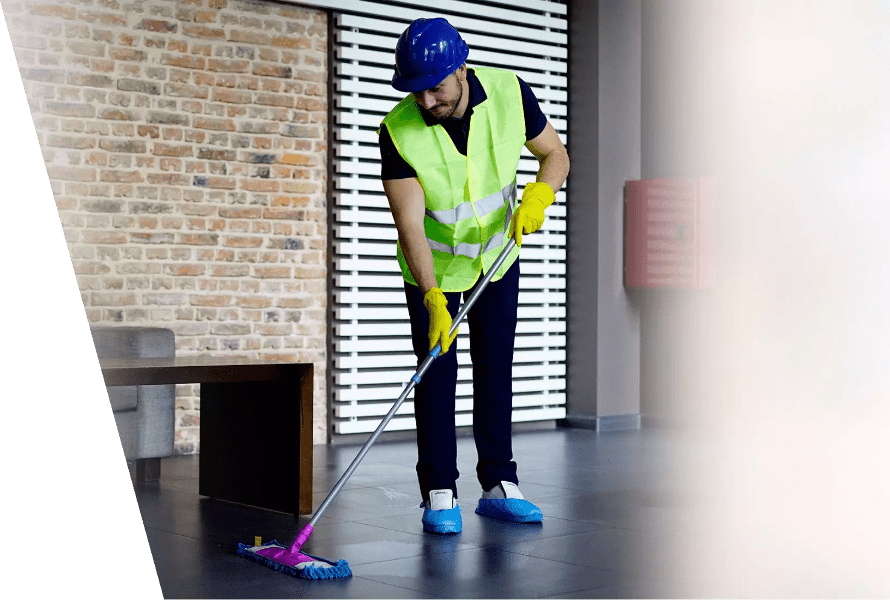
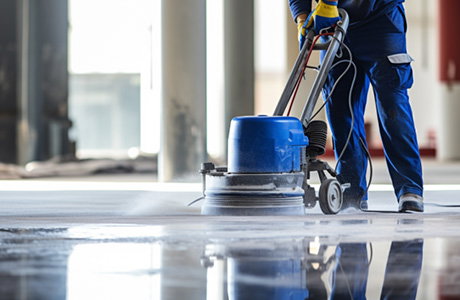
Because so much of Bracknell was laid out from scratch in the post-war decades, the housing stock here leans modern: timber-frame estates, insulated cavity walls, and in the newer developments mechanical ventilation with heat recovery running through the ceiling voids. Refurbishment in that kind of building produces very fine plasterboard dust, and fine dust finds ductwork. Getting an RG12 property genuinely clean after the trades leave means dealing with the air paths as well as the surfaces.
Ventilation systems collect what the trades raise
An MVHR unit or a set of ducted extracts will have pulled plasterboard sanding dust through its filters for as long as the power was on. Left in place, those filters restrict airflow and the system quietly redistributes a stale, chalky smell for months. Valves and grilles are unclipped, washed and refitted the right way round, and filters are either cleaned or flagged to the householder for replacement. Nothing in that sequence is glamorous, and skipping it is the commonest reason a finished room still feels dusty a fortnight later.
Underfloor heating changes the drying rules
Wet systems under screed and electric mats under tile both alter how a floor behaves during cleaning. A heated slab dries a wash down in minutes, which sounds convenient but means cleaning solution and suspended grout haze dry back onto the surface as a film. The heating is turned down before wet work starts, the floor is worked in small sections, and rinse water is lifted rather than left. Where a system has been newly commissioned, the installer's schedule takes priority. Commissioning records for a wet system are held by the installer, and a floor that has not been through its heat-up cycle is not ready for heavy wet cleaning.
Plasterboard against solid masonry
Dust from taped and jointed plasterboard is lighter than dust from a hacked-off wall and stays airborne far longer. It settles on top of door frames, on the upper edge of skirting, inside socket faceplates and along curtain tracks, which are all the places a quick visual check misses. Work runs from the ceiling line down, with a vacuum rather than a brush wherever possible, so that what is removed leaves the room instead of circulating. The reasoning behind that ordering is explained on local builders clean.
Timber-frame estates and the noise next door
Semi-detached and terraced timber-frame houses transmit sound readily, and industrial vacuums are loud. Where an estate has narrow service roads and limited visitor parking, vans are parked once and equipment carried in rather than shuttled through the day. Windows are opened for cross-ventilation in dry weather to speed drying, then closed before the team leaves so nothing blows back in overnight. Fitted carpet on estate housing takes the airborne fines worst, and that is restored by Fantastic Services.
When the clean is part of a handover
Plenty of building work here happens between tenancies, and the two cleans are not the same thing. A post-construction clean removes site residue; a check-out clean is measured against an inventory and a deposit, and it is covered by end of tenancy cleaning for homes in Bracknell. Naming which one is wanted, in advance, avoids a dispute at the point where a letting agent inspects the property.
What the visit leaves behind
In a modern house the useful result is not only clean surfaces but a building that works as designed: grilles refitted correctly, filters washed or reported, trickle vents cleared, extract fans running freely. Anything needing a part is written down rather than bodged. Scope is settled before the day, since whether ceilings, ducting and the garage are included changes the length of the visit considerably, and so does whether the builders have already taken their own waste away. The same work in the neighbouring town is arranged via the after builders cleaning team in Newbury. External glazing left grey by render is a separate discipline, handled through window cleaning prices in Reading.