Two very different buildings sit within a few minutes of each other in SW11, and each sets its own terms for a cleaning visit. On one side there are riverside apartment blocks with a loading bay, a booked service lift and contractor hours written into the management pack. On the other there are Victorian terraces with a flight of steps to a raised ground floor and no off-street parking at all. The carpet may be identical; the way the job is physically carried out is not.
Getting equipment through the door
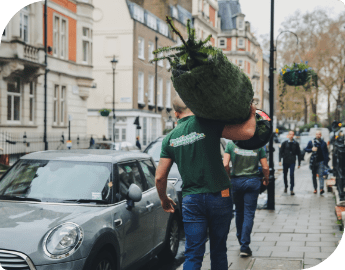
In a managed block the practical constraints are a permit for the bay, a lift slot booked through the concierge and a rule that plant cannot sit in a communal corridor. Work is planned around those windows rather than against them, and protective matting goes down across lobby stone before anything is wheeled over it. In a terrace the constraint is the front steps, which is why machines are carried in modules rather than as one unit, and why a hall runner comes up before the first trip rather than after somebody has trodden on it.
Hose runs cost pressure and heat
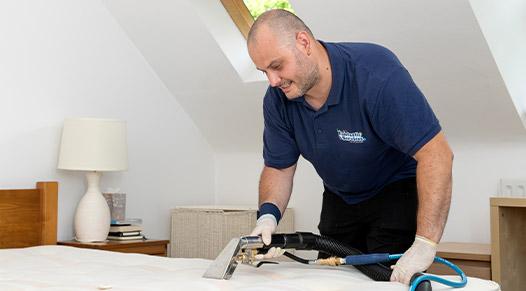
Distance between machine and wand is not a neutral choice. Every extra length of solution line drops temperature at the jets, and every extra length of vacuum hose costs lift at the carpet. A long run from a van into a fourth-floor flat therefore calls for a portable unit sited inside the property, with the power draw checked against a single circuit rather than assumed. Where a hose does cross a stairwell it is routed against the wall and padded at each turn so the balustrade and the door rebates are not scuffed.
Water in, waste out
Filling and emptying are the two moments when damage happens. Tanks are filled at a kitchen or bathroom tap on the same floor, never carried full across a finished hallway, and the recovered waste leaves the building rather than going into a planter, a gully or a communal drain. That matters in a block where surface drainage runs straight to the river, and it is a duty-of-care point as much as a courtesy one.
Raised ground floors and old sub-floors
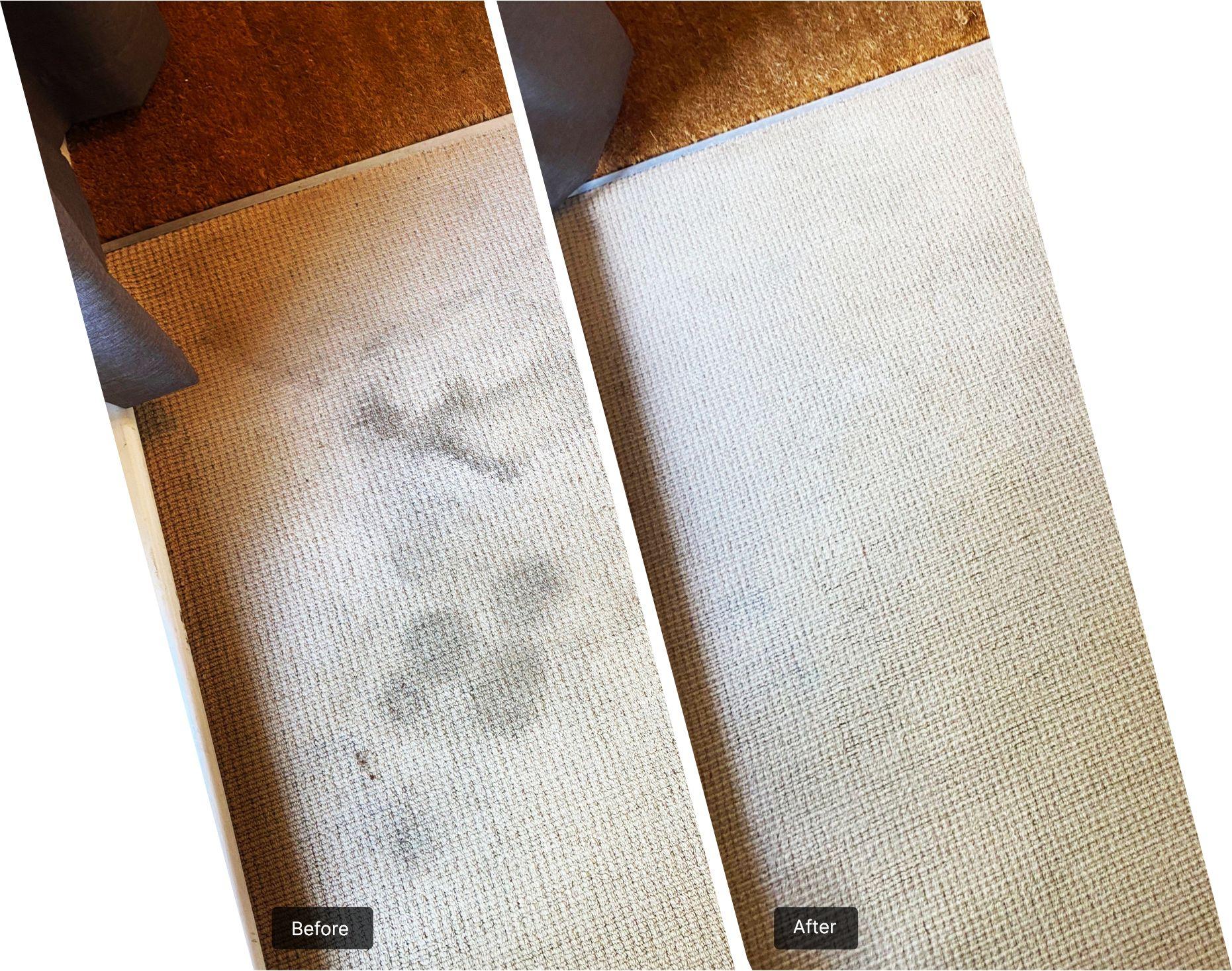
In the terraces the ground-floor carpet sits over boards with a ventilated void beneath, and the void pulls air through every gap at the perimeter. The result is cold edges, faster soiling along the skirting line and an underlay that dries slower than the pile above it. Moisture is kept deliberately low on those floors and dry passes are worked hard, because the surface can feel finished while the layer beneath is still holding water.
The sofa next to the carpet
Cleaning a lounge floor tends to expose the seating, and in an open-plan riverside flat the two share the same soil history of cooking aerosol and skin oils. Fabric furniture is a different discipline with far tighter moisture control, described under upholstery cleaning team in Battersea, and it is usually worth pairing the two into one visit so the room dries as a whole.
Moving out of a block
A carpet cleaned before the furniture leaves will be marked again by trolley wheels within the hour. The order that works is removal, then final cleaning, with the lift booked once for both — the transport side of that is the sort of thing handled through professional van and driver hire in Raynes Park, and the full property clean sits within end of tenancy cleaning services in Battersea. Comparable jobs across neighbouring districts are covered on affordable carpet cleaning in South West London, while broader household work falls under fully insured domestic cleaning in South West London.
What is agreed before the day
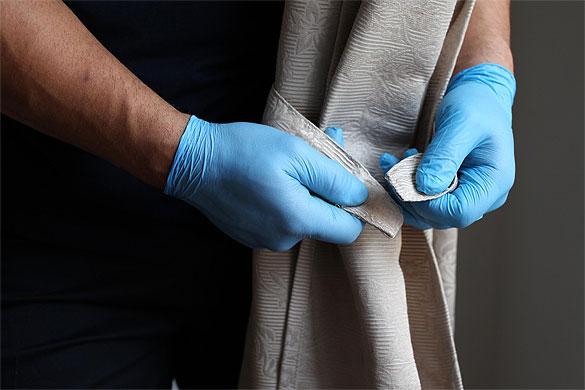
Areas are counted as rooms, halls and staircases, with the survey establishing fibre, backing and any pre-existing damage before the machine runs; the technical background to that is set out on how it works. Useful preparation is simple: clear the floor of small items, confirm the parking or bay arrangement, and leave a tap and a socket accessible on the working floor.