Fine dust ends up in fabric, and fabric is the last thing anyone thinks about. Curtains, blinds, sofas, mattresses and the backs of wardrobes all collect the lightest fraction of construction dust, the part that stays airborne longest and travels furthest from the work. In Ashford's 1930s and post-war semis, where rooms are modest and doors get left open, that fraction reaches every room in the house whether or not the builders went in there.
Why the lightest dust is the hardest to remove
Coarse debris is easy: it is visible, it is heavy and it sweeps up. Particles a few microns across behave more like smoke, staying suspended for hours and resettling after a room has been cleaned. That is why a house cleaned once during the works is dusty again the next morning. The practical answer is sequencing, so the fine clean happens only after the last dust-producing task, combined with filtration rather than agitation. Air left to settle overnight before the final pass makes a difference anyone can see, and it costs nothing but a day.
Filtered extraction instead of dusters
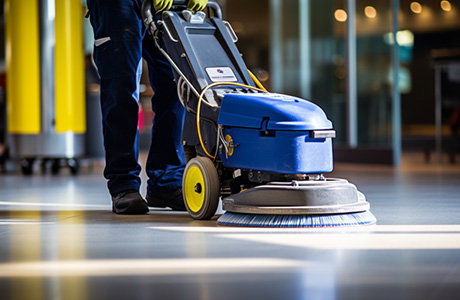
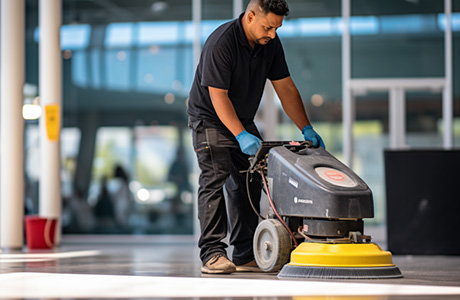
A domestic vacuum without a sealed filtration path takes fine dust in at the nozzle and puts a good share of it back into the room through the exhaust. Feather dusters and dry cloths do the same thing with added enthusiasm. Filtered machines, damp microfibre on horizontal surfaces and working from high to low keep the material moving out of the building rather than around it. What that approach covers across a whole property is described on nationwide after builders cleaning services.
Curtains, blinds and upholstery
Lined curtains hold a great deal and shed it every time they are drawn. Where they were left hanging through the works they are taken down carefully, folded rather than shaken, and cleaned according to their label, which for interlined or silk curtains usually means specialist treatment rather than a washing machine. Venetian and vertical blinds are done slat by slat, and fabric roller blinds are vacuumed rather than wetted, because water marks them permanently. Tracks and poles are wiped along their whole length, since dust in a gliding track transfers straight back onto a clean heading.
Mattresses, wardrobes and the rooms nobody worked in
Beds covered with a single dust sheet still collect fines around the edges and underneath. Mattresses are vacuumed on both faces with an upholstery head. Wardrobes and drawers left closed are usually cleaner inside than out, but the tops of them are not, and clothing stored during a build is worth airing before it goes back. Furniture that needs to leave the property for the duration is moved by man and van cover across Feltham. Storage boxes and cases stacked in a spare room have their upper faces cleaned before they are moved, so nothing is tipped onto a finished floor.
Sealed-up houses and ventilation
Under a flight path and near busy roads, houses here are commonly fitted with well-sealed replacement glazing, which is excellent for noise and unhelpful for clearing dust. Trickle vents and extract fans are checked and cleaned, since both fill up during a build, and cross-ventilation is used deliberately during the visit on a dry day. Fans that no longer run properly are a repair rather than a clean and fall to handyman services across Feltham.
After the visit, and keeping it that way
Residual fines continue to appear for a week or two as they work out of soft surfaces, so a light wipe of horizontal surfaces for a few days afterwards is normal and not a sign the clean failed. Bedding washed, curtains rehung once, and windows opened when the weather allows will finish the job. Households that would rather not manage that themselves move on to the local team, and the same construction work in the neighbouring towns is covered by same-day after builders cleaning in Egham.