When a washing machine hose fails or a pipe lets go in a flat upstairs, the first twenty-four hours decide whether the carpet below is saved or skipped. Water spreads outwards through a pile far faster than it evaporates, wicks up walls and soaks into underlay that holds it for weeks. A great many floors in Woolwich are thrown away not because of the flood itself but because nobody extracted the water quickly enough.
Clean water, grey water, and water nobody should touch
Water from a burst supply pipe is clean and, dealt with promptly, leaves a carpet entirely salvageable. Water from a washing machine, a dishwasher or a shower tray carries detergent and organic matter and degrades quickly; it can usually be saved if treated within a day or two, with sanitising. Water containing sewage or ground floodwater is a different matter altogether, and a porous floorcovering that has been in contact with it should be removed rather than cleaned.
The order of work after a leak
Stopping the source comes first, then bulk water is extracted with a tool that pulls from below the carpet rather than skimming the pile. Where the underlay is saturated the carpet is lifted and floated so air can move under it, or the underlay is removed entirely. Only once the structure is dry does anything get cleaned. Cleaning a wet floor before drying it simply adds more water to a problem.
Drying a building, not a surface
A floor can feel dry while the screed beneath it holds a great deal of moisture, which is why meter readings matter more than touch. Air movers set to skim the surface and a dehumidifier working in a closed room are the standard combination, and readings are taken daily until they stop falling. Rushing that stage is what produces a smell six weeks later in a room that looked fine.
When mould becomes the real issue
Growth can start within a couple of days on a damp organic surface, and once it is established in plaster or behind a skirting board, treating the carpet achieves nothing. The building fabric has to be dealt with first, which is what flexible mould removal in Woolwich covers, and only then is there any point restoring the textiles. Any dark speckling on a wall above a treated floor is a signal to stop and reassess.
Riverside ground and persistent damp
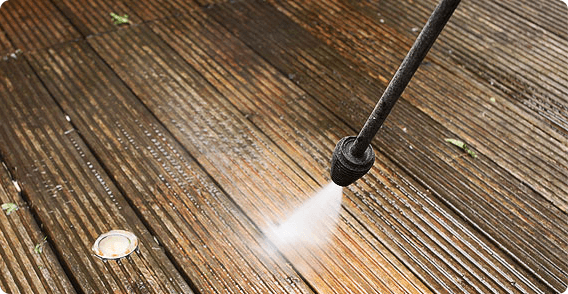
Low-lying ground near the river holds water, and older ground-floor rooms here can stay at a higher humidity all winter, so floors dry more slowly than the same carpet would two streets uphill. External surfaces suffer in the same conditions, and algae on a path or a yard is both slippery and a source of green staining tracked indoors; that work is described under pressure washing cover across Woolwich.
The records worth keeping from day one
Whoever ends up paying for the repair will want evidence, whether that is a freeholder, a managing agent or an insurer, and the useful material is gathered in the first hours rather than reconstructed later. Dated photographs of every affected room before anything is moved, a note of when the leak was found and stopped, a log of daily moisture readings and a written description of what was extracted and what was removed all carry weight. Material notes on which floorcoverings survive wetting and which do not sit on nationwide carpet and rug cleaning services.
Arranging an urgent visit
Water damage work is quoted by the affected area, the drying equipment required and the number of days it stays in place, which is a different basis from a routine clean and is explained before anything is committed. Photographs of the affected rooms sent in advance help enormously when arranging the appointment, since they determine what equipment comes on the van. A neighbouring round covers local carpet cleaning in Plumstead, and general household work further south is grouped under cleaning services cover across Crystal Palace.