What lies under a carpet determines more about the outcome of a clean than the carpet itself does. Underlay, gripper rods, tacks, old adhesive and the state of the boards or screed beneath all affect how much moisture a floor can take and how quickly it gives it back. In the hillside terraces of Plumstead, where floors have often been recovered two or three times without anything below being replaced, that hidden layer is frequently decades older than the pile above it.
Felt, rubber crumb and foam
Traditional felt underlay is absorbent and, once repeatedly wetted, compacts into a hard mat that no longer cushions anything. Rubber crumb is denser and holds water at its surface rather than through its body. Modern polyurethane foam, made from reclaimed offcuts, drains and dries relatively well but crushes permanently under point loads. Identifying which is present at a corner or a threshold changes the moisture setting for the entire room.
Old underlay that has started to break down
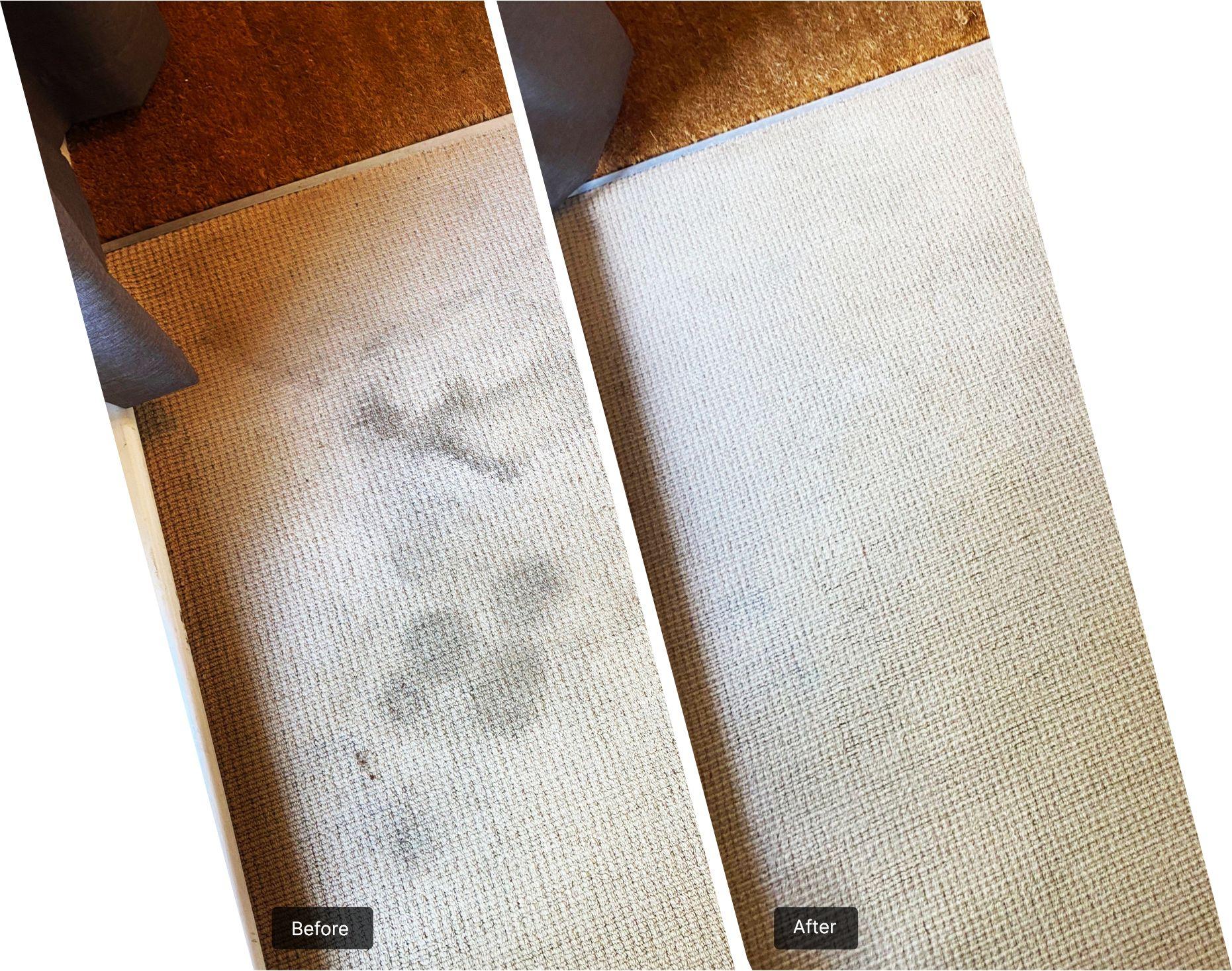
Rubber underlay from an earlier generation degrades into a black powdery residue that migrates into the carpet backing and shows as dark shadowing along the edges of a room. It cannot be cleaned out, because the source is beneath the floor rather than in it. The only fix is lifting and replacing, and a householder is better told that at the survey than after paying for a treatment that could never have worked.
Grippers, tacks and the edges of a room
Gripper rods run around the perimeter with sharp pins angled into the backing, and once the backing near them has weakened the carpet starts to release. Heavy moisture at the edges accelerates it, so perimeters are treated with a hand tool and dried carefully rather than flooded with a wand. Rusting tacks in older floors leave brown spots that look like stains and are, in fact, corrosion bleeding through the pile.
Delamination and the sound it makes
Fitted carpet has a secondary backing laminated to the primary one, and the adhesive between them fails with age, heat and repeated wetting. A delaminated area feels loose underfoot, rustles slightly when walked on and ripples rather than lying flat. Extraction over it can separate the layers further, so it is identified beforehand and treated with a low-moisture method or left alone.
Terraces on a slope, and getting equipment in
Streets that climb away from the main road mean steps up to a front door, restricted parking and long hose runs uphill, which costs both suction and time. Where that is impractical the machine comes indoors and works from the property's own supply. Where the visit is combined with a move, the loading is arranged through trusted van and driver hire in Plumstead, and the wider list of domestic work available locally sits behind cleaning services for period property in Plumstead.
Ripples, slack and the stretch that fixes them
A carpet that has developed waves across a room has not shrunk; it has relaxed, and the tension it was fitted under has gone. Humidity, heavy furniture dragged across it and simple age all contribute. Cleaning a rippled floor makes the waves more obvious for a day or two while it dries, which alarms people who were not warned. The remedy is not a cleaning one at all: the carpet is lifted from the grippers along one or two edges and re-tensioned with a power stretcher before being trimmed and refitted. Notes on backings and constructions, which determine whether a floor can be stretched at all, sit on experienced steam carpet cleaning.
What is checked and how it is quoted
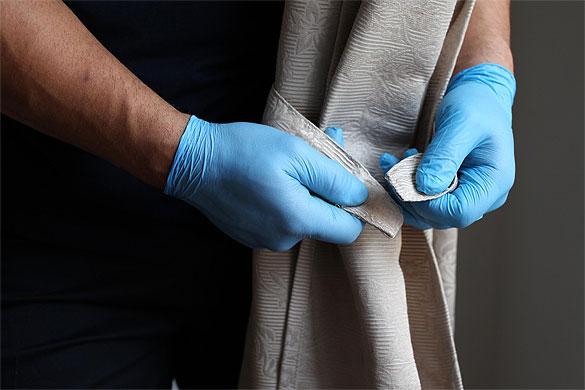
A corner of the floor is eased up at a threshold or a doorway to see what is underneath before anything is agreed, and the price follows rooms and measured area with any underlay work quoted separately. Anything found beneath that changes the likely result is reported before work starts rather than after. Regular housework further out is covered by weekend domestic cleaning in Crystal Palace, and a neighbouring round takes in carpet cleaning services across Woolwich.