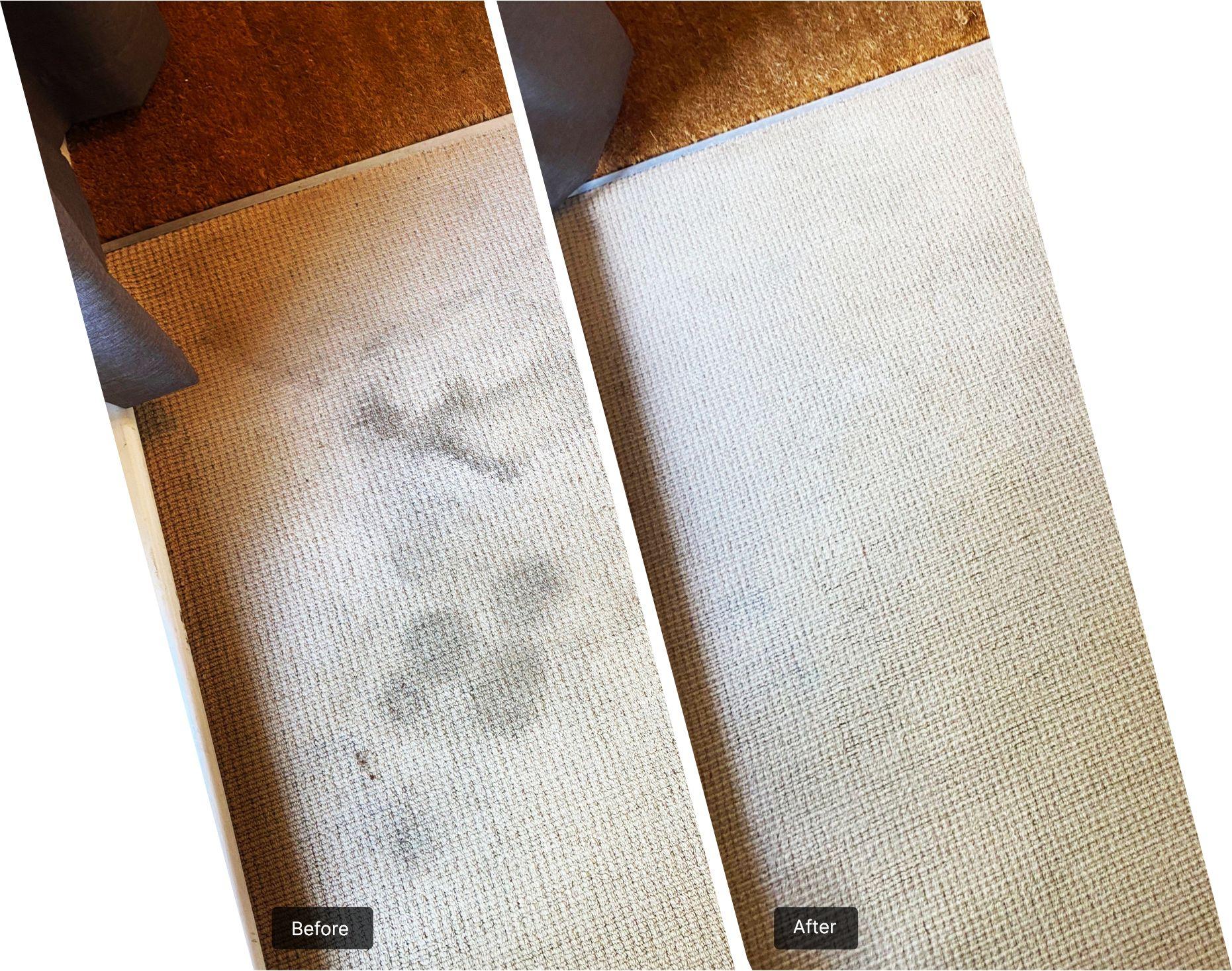
Construction dust is not ordinary dust. Cement, plaster and board fines are alkaline, they are sharp-edged under magnification, and they are fine enough to travel on air currents for hours after the work that produced them has stopped. A carpet in a property near active building work collects a load of it whether or not the door was shut, and because the particles are pale and evenly spread, the floor does not look dirty. It looks faded. E15 has lived with construction on one scale or another for years.
Why a new-build carpet dulls in its first year
Carpet fitted at the end of a build is laid into a building that is still full of residue. Trades trim, sand and drill after the floorcoverings go down, dust settles into a new pile within days, and the first year of vacuuming only lifts the loose top layer. The rest stays at the base of the tufts, scattering light and greying the colour. A proper extraction once the last trade has gone gives the floor an actual starting point rather than a cosmetic one.
Wetting alkaline fines makes them worse
Cement and plaster residue reacts when it is wetted and pushed around instead of removed dry. It turns to a slurry that bonds into the fibre, and on a light carpet it leaves a grey cast that no subsequent wash will lift. This is the single reason the dry stage cannot be skipped after building work: filtered vacuuming with several slow passes, first, before any solution reaches the floor. Getting that order wrong converts a recoverable carpet into a permanent problem.
Grit from the public realm
Newly finished streets shed material for a long time. Fresh paving joints lose sand, planted areas lose soil in heavy rain, and stone dust from cutting sits on the ground long after the barriers come down. All of it comes indoors on footwear and behaves abrasively in a pile. Hard surfaces outside a building are where that cycle is broken, and they sit under Fantastic Services, with the same equipment used on older paving and riverside courtyards through trusted patio jet washing in Wapping.
Balcony doors, thresholds and the first metre inside
The strip of carpet immediately inside a balcony or patio door does more work than the rest of the room combined, and on a new-build it is where construction fines accumulate first. A low-profile barrier mat there is unglamorous and effective. The threshold channel itself holds grit that gets kicked inside every time the door slides, and clearing it takes a minute and saves a great deal of abrasion.
Soft furnishings hold the same fines
Everything upholstered in a newly finished flat has the same residue in it, held in the weave and in the foam beneath. Vacuuming a fabric sofa with a standard head redistributes much of it, so upholstery is worked with filtered extraction and low moisture. That is quoted by the piece and the detail is under fully insured fabric upholstery cleaning in Hackney, and doing it in the same visit as the floors avoids recontaminating a clean carpet.
Where the floors are one part of a handover
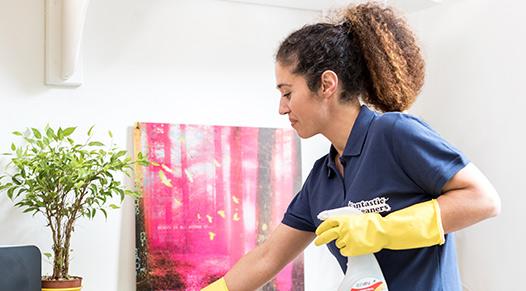
Properties coming out of building work usually need more than the carpets seen to, and the sequence runs from high surfaces downwards, with the floors last. The wider scope is set out under fully insured domestic cleaning in Stratford, and households that want the finished standard maintained afterwards move onto regular visits through Stratford regular house cleaning.
How the appointment works
The survey identifies fibre and backing, checks whether the carpet is still under a manufacturer's warranty that specifies a cleaning method, and confirms what will be moved. Dry soil removal is allowed proper time on a post-construction job, which is why these visits run longer than a routine clean and are priced on the state of the floor rather than the room count alone. Similar stock in the neighbouring district is covered by same-day carpet cleaning services in Walthamstow, and the standard method is on local carpet and rug cleaning.