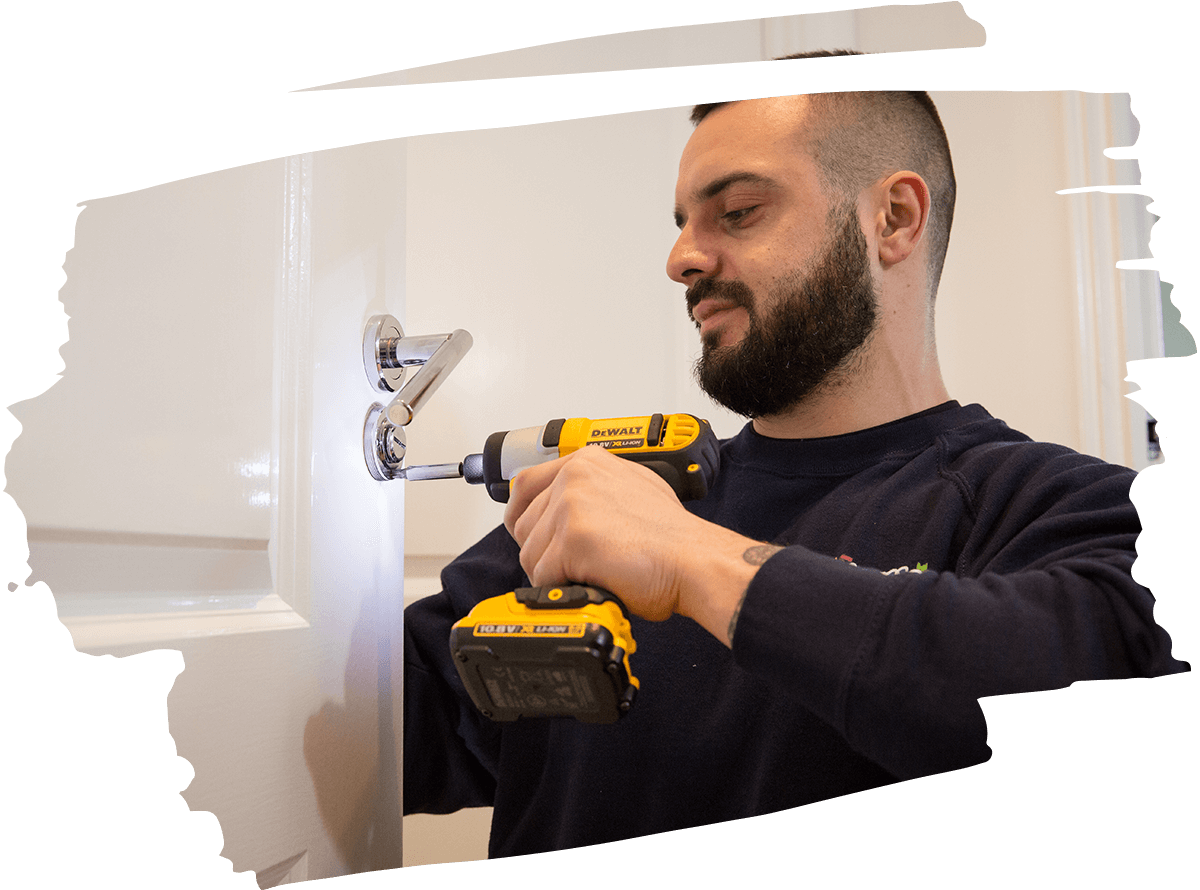
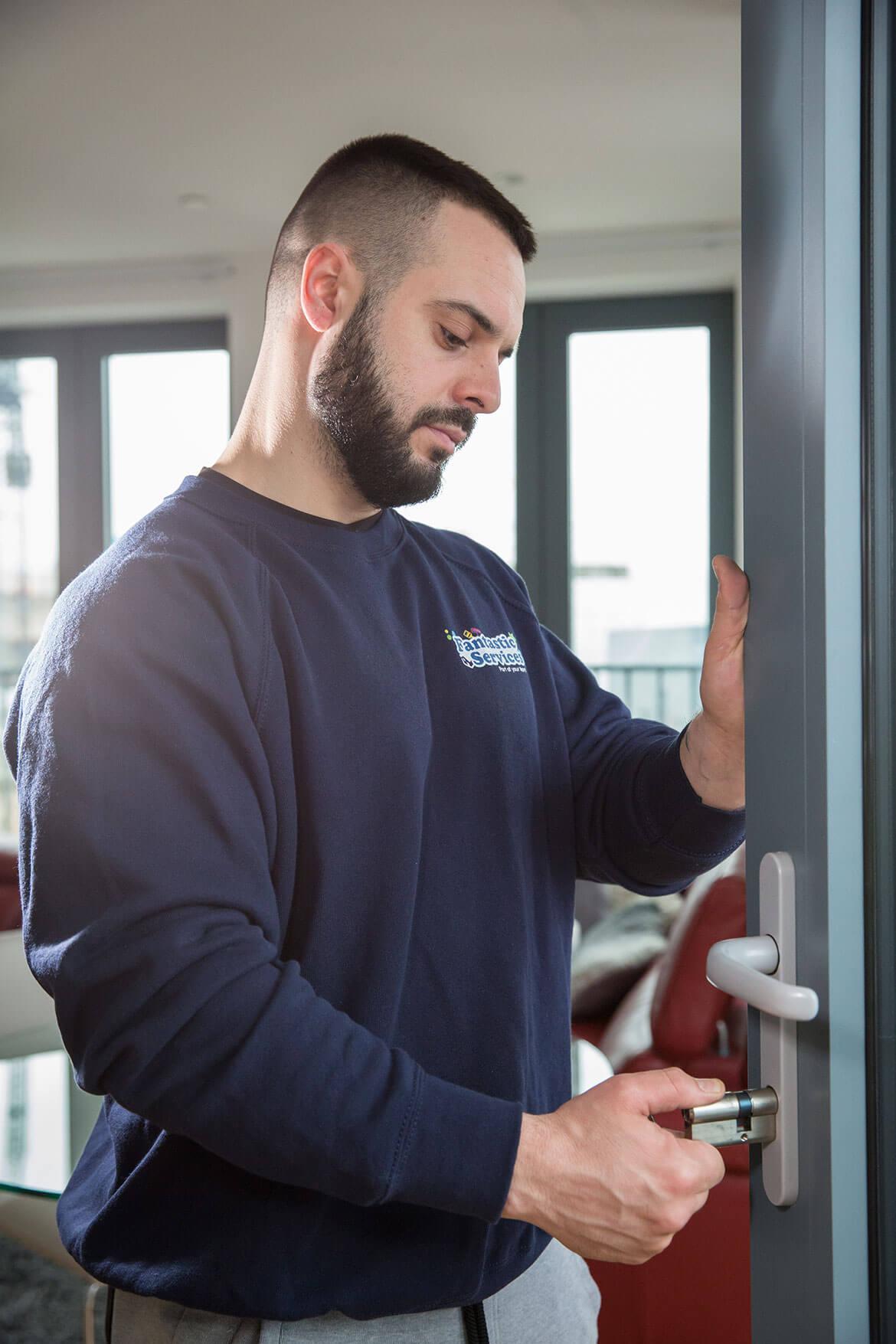
A lock either stops you getting in or stops you shutting the door safely. Describe which of the two it is when you call, because the answer changes the urgency and the parts the technician brings.
Shut Out of a Richmond Property
The door has closed on the latch, or the key is on the wrong side of it. The technician looks first for a way in that leaves the cylinder and the timber intact, and will say so plainly if the situation does not allow it.
Keys Lost, Stolen or Snapped in the Cylinder
A key that shears inside the barrel usually leaves the blade gripping the pin stack. Extraction works often, though a worn cylinder that has already been forced tends to be better replaced than coaxed.
Mortice Deadlocks on Period Timber Doors
Older Richmond front doors commonly carry a five lever mortice deadlock set into the stile. Case size, backset and lever count all have to match the existing mortice, which is why the measurement happens on site rather than over the phone.
Stiff, Spinning or Seized Mechanisms
A cylinder that turns without moving the bolt has usually lost the cam, and a key that needs lifting has usually met a dropped door. Both are worth diagnosing before anything is bought.
Doors That No Longer Pull Shut
Timber swells through a damp autumn and the bolt stops finding the keep. Adjusting the strike plate or easing the frame often solves it without touching the lock at all.
Securing a Door After an Attempted Break In
Forced entry damages more than the lock. Handles, keeps, frames and the surrounding hardware are all checked, and a written report is available if an insurer or letting agent asks for one.