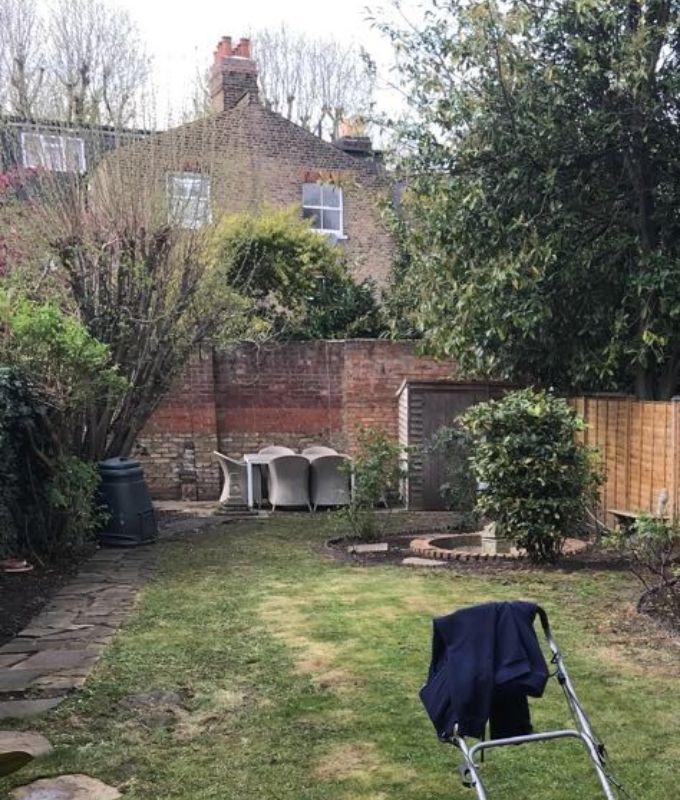
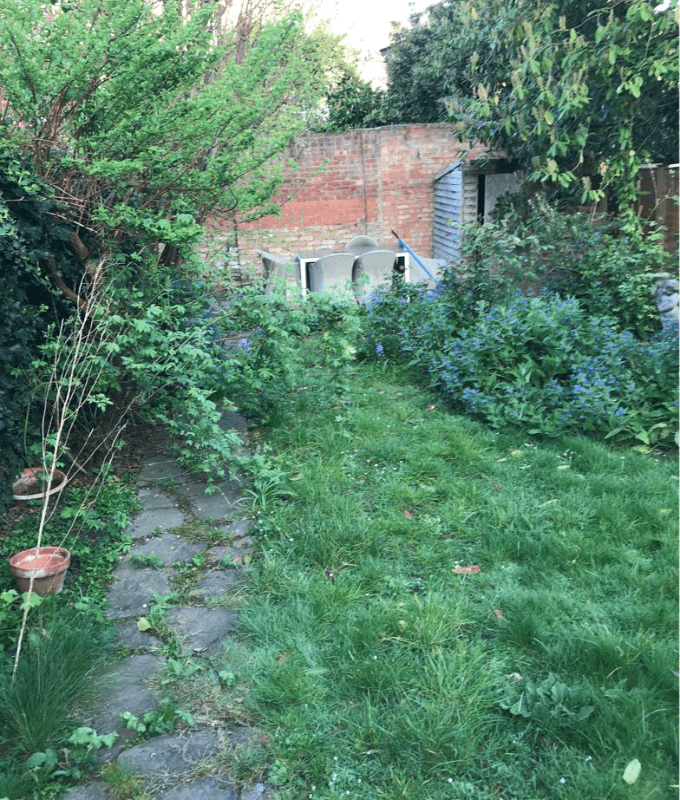
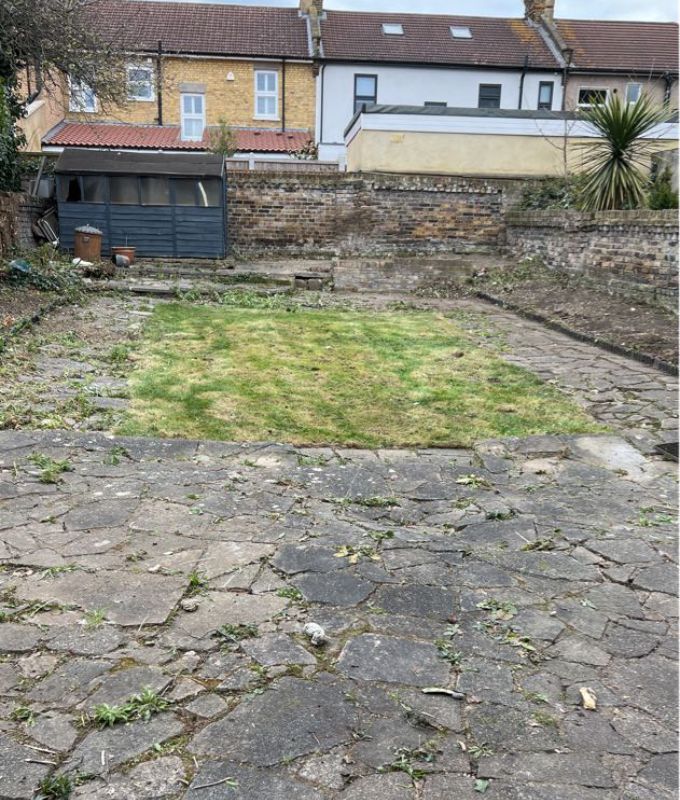
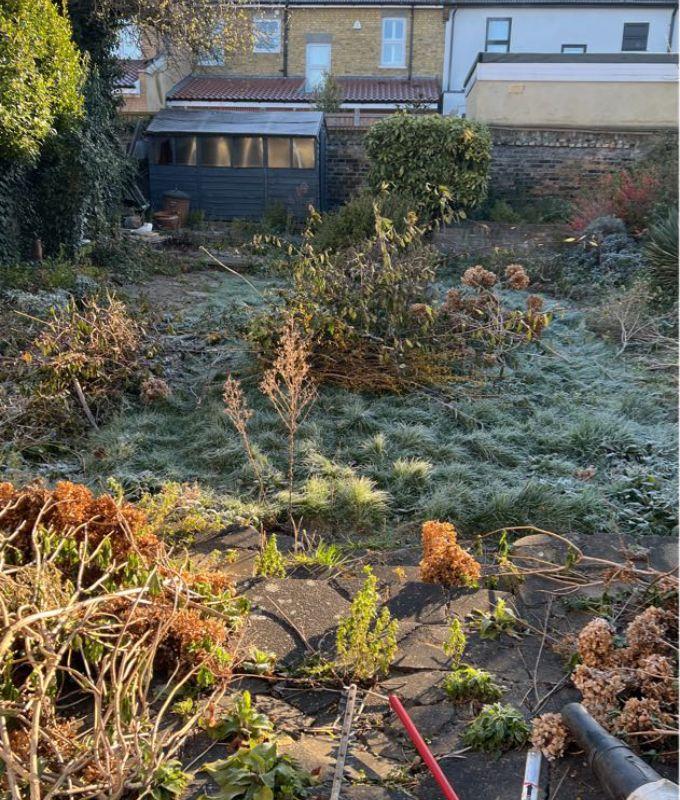
The timing of garden work in Cranford is not only a horticultural question. Gardens on the western edge of the borough back onto open ground, rough grass and mature boundary planting, and they carry more wildlife than the average inner suburb: nesting birds in dense hedges, hedgehogs moving between plots at night, and slow worms in compost heaps. Nearly all of it is protected to some degree, which means a maintenance calendar here is built around what is breeding as much as around what is growing.
The closed season for hedges
It is an offence to damage or destroy the nest of a wild bird while it is in use or being built, and in practice that puts substantial hedge work off the table between the start of March and the end of August. A quick trim is often still possible, but only after the hedge has actually been checked: five minutes looking into the face of it from both sides, low down as well as at head height, and listening. If a nest is in use, that stretch is left and finished later in the year. The sensible answer is to schedule the main cut for late summer or early autumn, once broods have fledged and before growth hardens off.
Boundaries an animal can cross
A hedgehog needs to range across several gardens in a night, and a continuous run of close-boarded fence on concrete gravel boards seals a plot completely. A gap of about thirteen centimetres square at the base of a fence, or a channel dug under it, restores the route without letting anything larger through. Gardens on the streets immediately east are laid out more formally and are covered by gardening services in Hounslow. Gravel boards can be notched rather than replaced, and the gap is kept clear of the leaf litter that accumulates against it.
Long grass and the strimmer
The single most damaging routine task in a wildlife-rich garden is clearing rough grass at speed. Hedgehogs sit tight rather than running when a machine approaches, and they are almost always in exactly the kind of tussocky grass and bramble edge that gets strimmed first. The method is to walk the area first, cut from the centre outward so anything present can leave, take the growth down in two passes rather than one, and keep the head high on the first pass. Piles of cut material are moved the same day rather than left overnight, since a fresh heap is an invitation.
Managing a rough area properly
An area of grass left long is not the same as an area left alone. To keep any diversity in it, the growth is cut once or twice a year and the arisings are raked off and removed, because leaving them lying feeds the soil and lets coarse grass dominate everything else. Cutting in late summer, after seed has dropped, and leaving a proportion uncut through winter as cover gives the best of both.
Woodpiles, leaf heaps and other deliberate mess
A stack of logs in a shaded corner, a heap of leaves left behind a shed and a compost bay that is not turned every fortnight do more for a garden's wildlife than any amount of planting. The one rule is placement: these things belong at the bottom of the garden, not against the house wall, because cover and warmth next to a building is an invitation indoors. Leaving them undisturbed from autumn through to April is the point of them, so the clearance instinct is resisted until spring. Shaded paving alongside those corners greens over within a season and needs proper treatment, covered by pressure washing throughout Cranford.
The line between welcome and unwelcome
Feeding birds heavily is the usual way a well-intentioned garden acquires a rodent problem: spilt seed under a feeder is a reliable food source, and it draws in animals that then find the shed, the decking and eventually the house. Feeders on smooth poles with trays, modest quantities put out, and the ground beneath swept regularly keep it in proportion. Where runs, burrows or gnawing have already appeared around outbuildings, that is a matter for Isleworth pest control team, and it does not conflict with the rest of the approach.
Scheduling a garden around the calendar
A wildlife-aware maintenance plan concentrates the heavy work in late summer, autumn and midwinter, keeps the spring and early summer visits light, and prices by the time on site like any other schedule. What helps is agreeing at the outset which areas stay rough, where the log and leaf piles live, and which boundaries have gaps in them so nobody blocks one with a stack of prunings. The year-round structure is set out in garden maintenance services UK.