A family that has spent six years in the same house leaves behind a different set of problems from a sharer of eighteen months. Nothing is dramatic. It is the accumulation: the wall beside the stairs where hands have gone, the patch of carpet inside the back door, a kitchen that has cooked several thousand meals, and a garden that started tidy and has been slowly conceded. Long lets are common in WD23, and the check-out on one is largely an exercise in separating age from neglect.
Marks on walls, and who pays for them
Paintwork in a family home collects scuffs, and deposit schemes accept a proportion of that as ordinary deterioration over a long tenancy. What is not accepted is anything added: adhesive strips pulled off with the paint behind them, crayon, unfilled fixing holes from shelves and televisions. Emulsion is porous, so cleaning it is a limited business — a gentle sponge lifts surface marks and anything more aggressive burnishes the finish, leaving a shiny patch that reads worse than the mark did.
Carpet after several years of family traffic
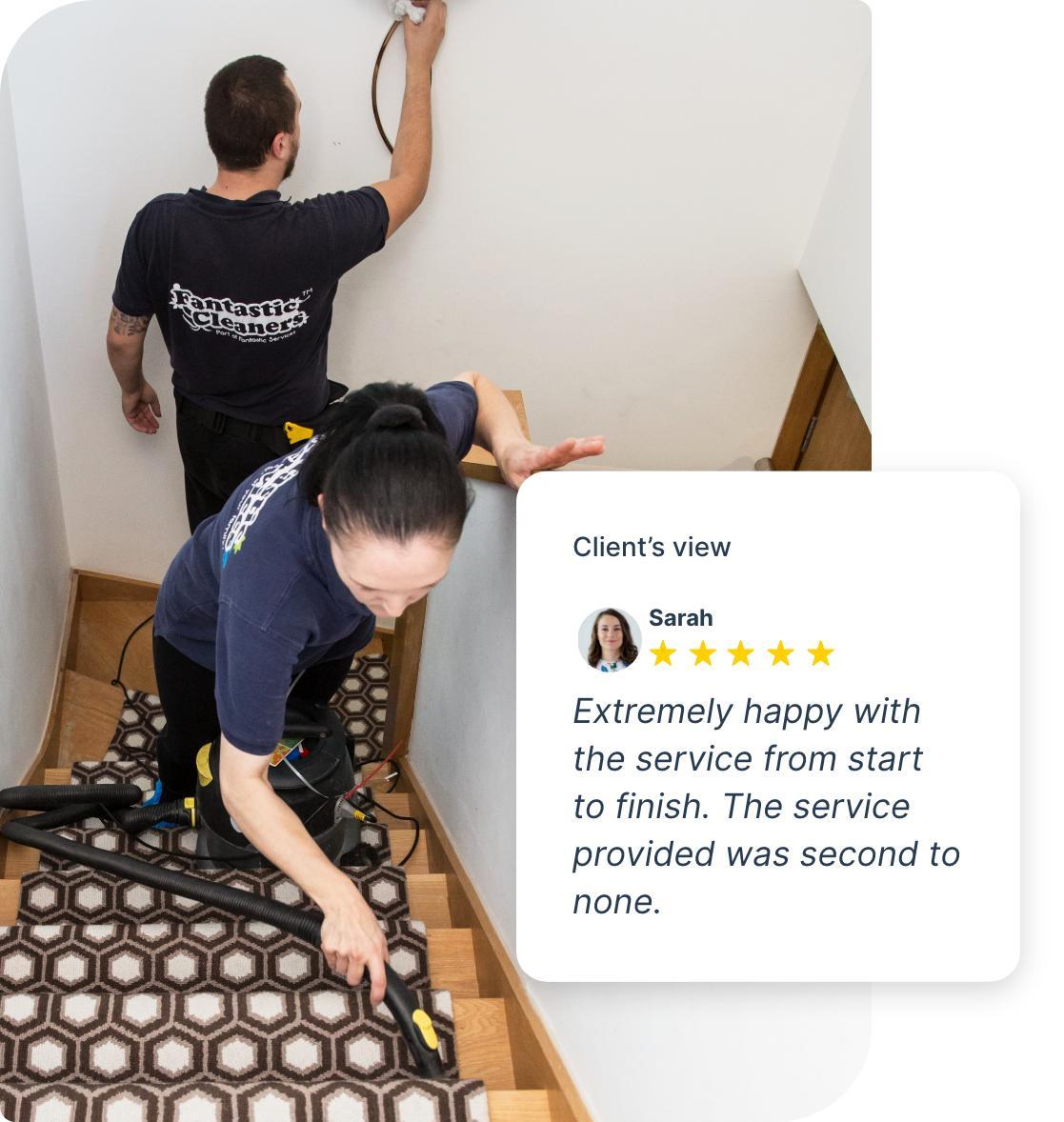
Pile crushed flat under a sofa that has not moved since the tenancy started will recover only partially, and a clerk should record it as wear. Greying along the route from the front door to the kitchen is a different matter, because that is soil the pile has been holding, and extraction removes a surprising amount of it. Doing that before the final clean rather than after is the ordinary sequence, and it changes the appearance of a hallway more than any other single action.
The kitchen at the end of a long tenancy
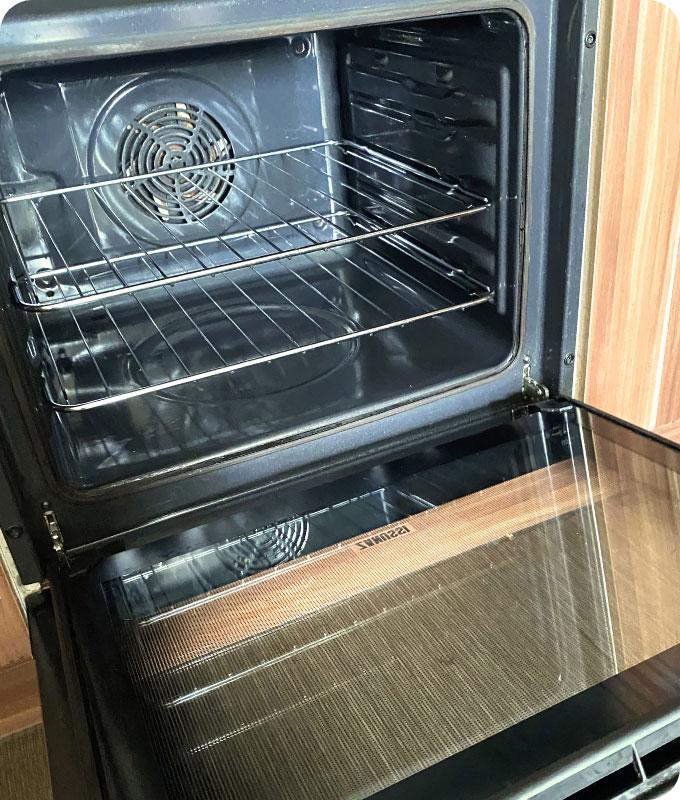
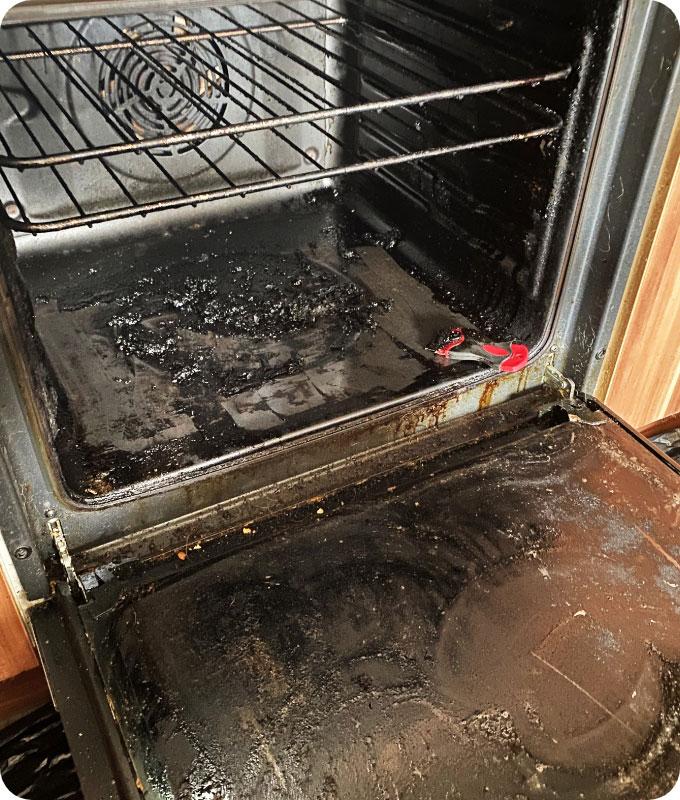
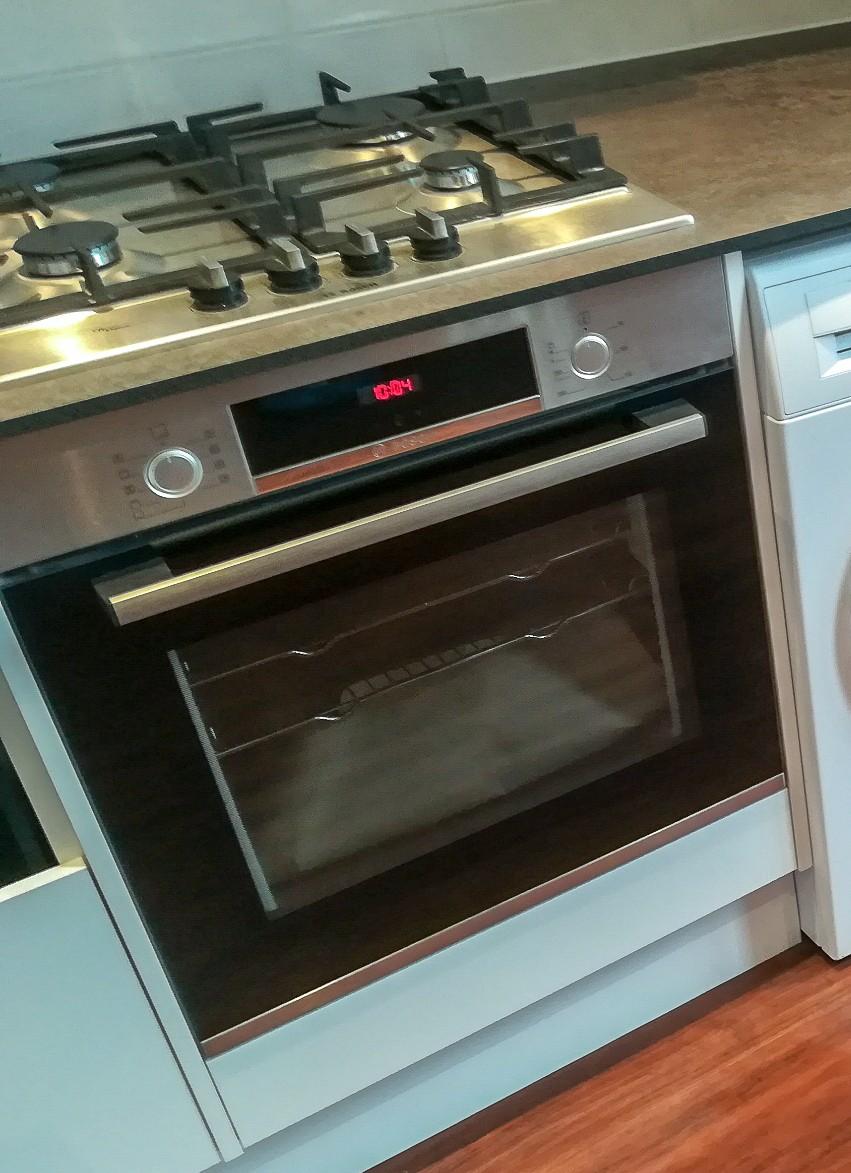
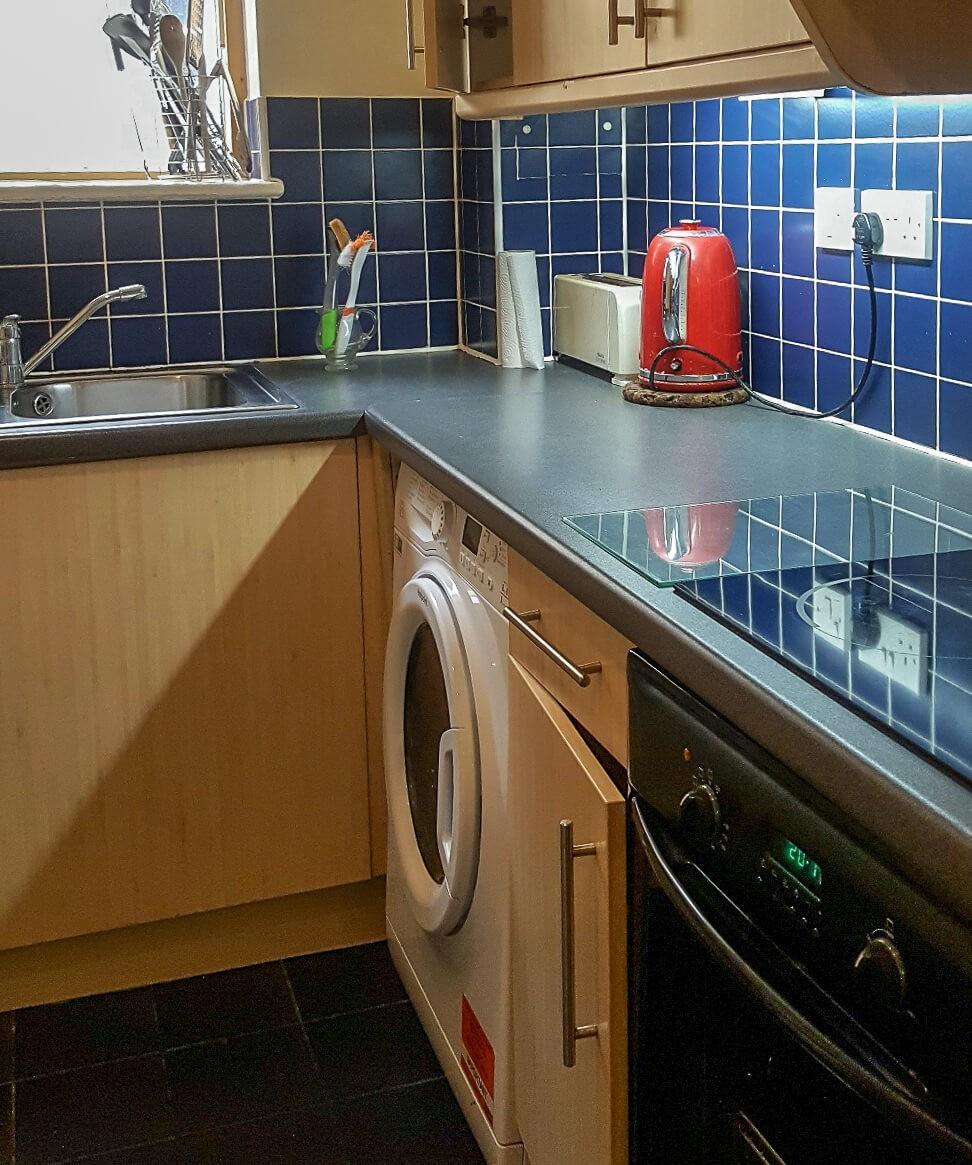
Cabinet interiors are the reliable oversight: shelves lined years ago and never lifted, drawer runners full of crumbs, the plinth line where a mop has been pushed against it and nothing else has happened. Above the hob, the film of cooking aerosol on wall unit undersides and on the ceiling has had years to harden. Alkaline degreaser and genuine dwell time deal with it; a cloth on its own redistributes it and leaves a haze that shows in photographs.
Outbuildings, lofts and the space under the stairs
Houses of this size accumulate storage, and every part of it is usually named in the tenancy. A garage with a decade of paint tins, a loft with boxes left by a previous occupant, a shed with garden chemicals in it. Clearing possessions is the tenant's job and cannot be absorbed into a cleaning booking, since anyone removing household waste commercially needs to be licensed to carry it. Establishing that split before the day avoids a difficult conversation on the morning.
Gardens, which are usually in the agreement
Most family lets place responsibility for keeping a garden in reasonable order on the tenant, and six years is long enough for a hedge to double and a border to close over. Bringing it back before a check-out is seasonal work rather than a single afternoon, and it belongs with professional garden clearance in Bushey rather than with any cleaning specification. Photographs from the opening inventory are the fairest reference for what reasonable order actually meant.
When the landlord has had work done first
Where a kitchen or bathroom has been replaced during the void, the residue is fine construction dust that settles for days and needs handling as a separate job, described under the after builders cleaning team in Watford. Where a property is simply being kept presentable between viewings, that upkeep is what trusted cleaning services in Bushey covers.
Organising the handover
Charges are built from the number of bedrooms and bathrooms and the condition described at booking, not from hours worked. The house should be empty, utilities connected, lofts and outbuildings accessible if they form part of the scope, and meter readings taken in advance. Households moving north often want the same standard in Kings Langley, set out on end of tenancy cleaning services in Kings Langley, and the broader specification is on fully insured deposit-back cleaning.