Plaster dust does not settle once. It settles, gets disturbed by a door closing or a draught from a window, and settles again somewhere else, which is why a flat that was wiped down on Monday looks untouched by Wednesday. Void periods in WD6 frequently include work — a bathroom replaced, a wall taken out, a kitchen refitted, a whole flat redecorated — and cleaning that follows trades is a different discipline from cleaning that follows a household.
Why it takes two passes rather than one
The established approach is a coarse stage followed by a fine one. The first removes bulk: offcuts, tape, protective sheeting, the drifts of dust in corners and on sills, and anything sitting loose. Then the property is left for a day if the schedule allows, so airborne material can come down. The second pass is the detailed one and is the only one worth doing thoroughly, because anything done to a high standard before the dust has finished falling has to be done again.
Residue that is not dust at all
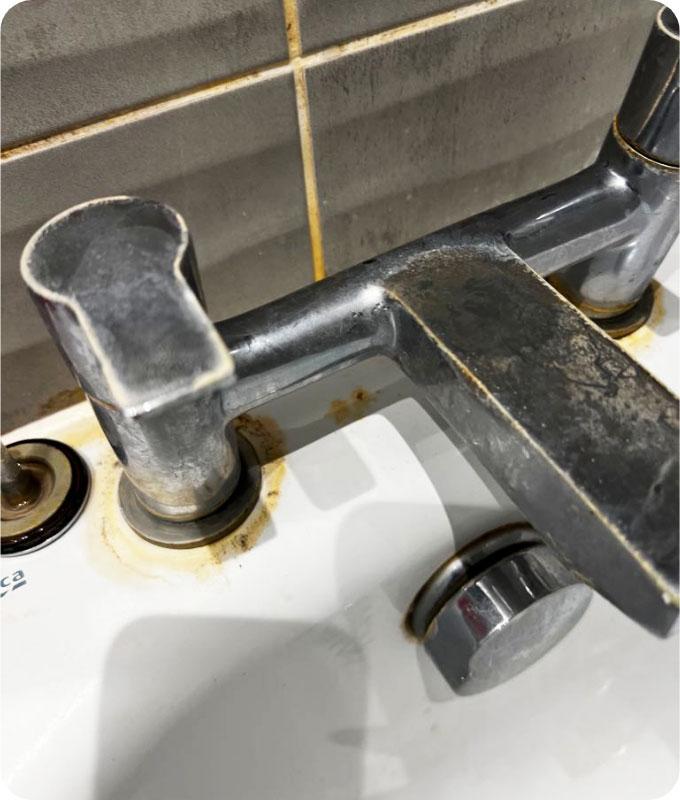
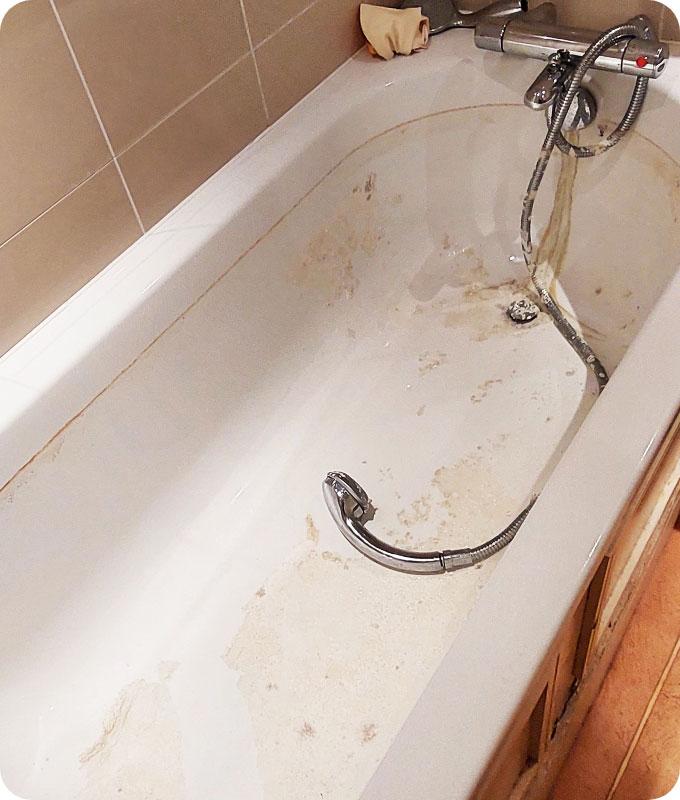
Trades leave specific marks and each wants a specific answer. Cured silicone smears on tiles are cut away with a plastic blade rather than dissolved. Emulsion spots on glass come off with a scraper held almost flat once softened with water. Adhesive from protective film hardens in daylight and needs a solvent chosen for the surface underneath. Grout haze on new tiling responds to a mild acid, but only after the grout has fully cured, and going in too early pulls the joints out.
Where the dust actually hides
The obvious surfaces are the easy part. Fine particulate finds its way into trickle vents and extract grilles, onto the top edges of doors, into the tracks of sliding wardrobes, behind radiators, into the pleats of any curtain left hanging, and inside kitchen cupboards whose doors were open while cutting was going on. Ceiling-mounted light fittings and smoke detector housings hold it too, and both are visible from below in the wrong light. New carpet laid before the last of the decorating carries a surprising amount of it down into the pile, where only extraction will retrieve it.
Protecting brand new finishes
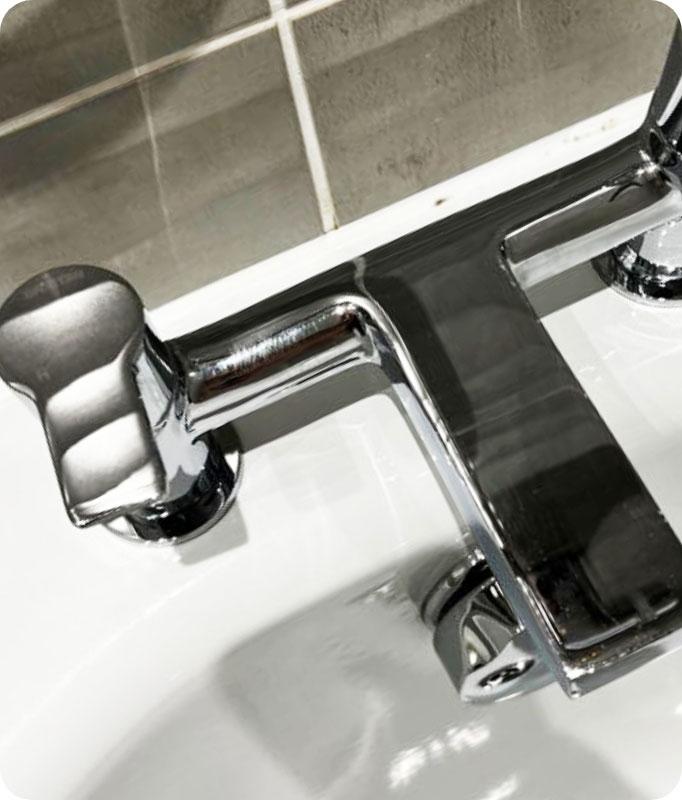
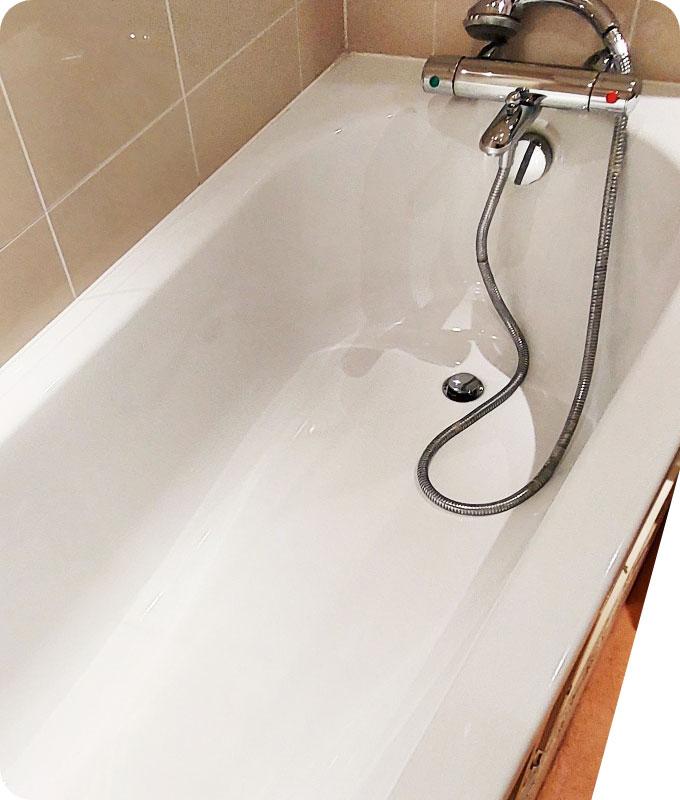
A freshly finished flat is at its most vulnerable. New emulsion takes weeks to harden fully and marks if it is rubbed. Newly laid engineered timber should not be wet-mopped while the adhesive is curing. Chrome and new sanitaryware scratch under anything abrasive, and unsealed stone will take a stain from a detergent left to dry. The cleaning is therefore deliberately gentler than the state of the property suggests it needs to be. Checking with whoever carried out the work about curing times for paint, grout and adhesive takes a minute and prevents damage that is far more expensive to put right than any amount of extra dust would have been.
Where this work sits relative to other specifications
Following trades is its own job and is not what a standard handover clean is scoped for, nor what a landlord's interim visit covers. Comparable post-construction work in the surrounding villages runs as after builders cleaning specialists in Abbots Langley, while a single deep reset of a property that has simply fallen behind is described under deep cleaning across Borehamwood. Keeping a finished flat presentable through a run of viewings is the sort of arrangement Borehamwood cleaning services team covers.
Sequencing against the letting date
The fine pass belongs as close to the viewing or move-in date as the programme allows, and after the last trade has genuinely finished rather than after they say they have. Access, power and water all need to be live, since much of the method depends on hot water and a vacuum. Where a tenancy is ending rather than a refurbishment finishing, the specification differs and the version used nearby is set out on a local pro near you, with the general scope on experienced deposit-back cleaning.