

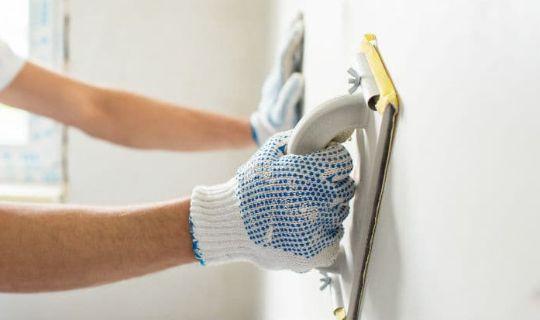
TL;DR — Plastering At A Glance
- Skimming an existing wall costs £15–£25 per m², while re-plastering (backing coat plus skim) costs £25–£45 per m².
- A single room typically costs £450–£850 to plaster, and a whole three-bed house £4,000–£7,000.
- Ceilings cost more per m² than walls because the work is overhead and slower.
- Prices depend on the wall area, condition, whether it is a skim or full re-plaster, ceiling height and access.
- Quotes usually include materials and cleaning up, but not removing old plaster or fixing damp behind it.
- The best value comes from skimming over sound walls rather than hacking off and starting again, where the surface allows.
- Get a fixed price for plastering and wall boarding — check prices and book online or arrange a visit to measure up a wall, room or whole home.
 Add to Preferred Sources
 How Much Does Plastering Cost In 2026?
Plastering in the UK is priced per square metre, at £15–£25 per m² to skim an existing sound wall and £25–£45 per m² to re-plaster (a base coat plus a finishing skim, or plasterboard plus skim). On a per-room basis, most homeowners pay £450–£850, and a full three-bedroom house runs £4,000–£7,000. In London and the South East, expect prices roughly 20–30% higher.
The type of job is the key distinction. Skimming applies a thin 2–3mm finish coat over walls that are already flat and stable — the usual choice after removing wallpaper or covering minor damage. Re-plastering means either building up a backing coat on bare brick or block, or fitting plasterboard first (dot-and-dab or on a stud frame) and then skimming. Re-plastering uses more material and labour, so it costs more per m².
Ceilings are dearer than walls of the same size because plastering overhead is slower and harder to keep even. A typical room takes one to two days including drying, and plaster needs a few days more to dry fully before it can be painted. Here is what plastering costs across the UK:
| Job | Rest of UK | London & South East |
|---|---|---|
| Skim existing wall (per m²) | £15 – £25 | £18 – £32 |
| Re-plaster / board and skim (per m²) | £25 – £45 | £30 – £58 |
| Skim a ceiling (per m²) | £20 – £35 | £25 – £45 |
| Plaster a single room | £450 – £850 | £550 – £1,100 |
| Whole three-bed house | £4,000 – £7,000 | £4,800 – £9,000 |
Figures include VAT where applicable and reflect 2026 market rates. Your exact price depends on the wall area, its condition and your postcode — get a fixed quote here.
Plastering Cost By Job Type And Area
Most plasterers quote per m² for small jobs and a fixed price per room for larger ones. These are typical prices for common jobs:
| Job | Typical price (rest of UK) | Typical price (London) |
|---|---|---|
| Skim one small wall (up to 10m²) | £150 – £300 | £200 – £400 |
| Skim a small room (walls) | £400 – £600 | £500 – £780 |
| Skim a large room (walls) | £600 – £850 | £750 – £1,100 |
| Skim a ceiling (average room) | £250 – £450 | £320 – £580 |
| Re-plaster a chimney breast | £200 – £400 | £250 – £520 |
| Plasterboard and skim a stud wall | £30 – £45 per m² | £38 – £58 per m² |
| Patch repair (small damaged area) | £120 – £250 | £150 – £320 |
Most jobs carry a minimum charge of around £120–£150, because setting up, mixing and cleaning takes time even for a small patch. As with tiling and painting, bundling several areas into one visit spreads that overhead.
What Affects The Cost Of Plastering?
Several factors decide where your job lands in the ranges above.
1. Skim Or Full Re-Plaster
This is the main driver. Skimming a sound wall is quick and cheap per m². Building up a backing coat on bare brick, or boarding first, uses more material and time, so it costs more.
2. Wall Area And Number Of Rooms
Plastering is measured by the square metre, so larger walls and more rooms cost more. A whole-house job is cheaper per m² than a single small wall, because the plasterer is set up and mixing for longer.
3. Condition Of The Surface
Blown, damp or crumbling plaster must be hacked off and made good first, and any damp cause fixed, before new plaster goes on. This preparation adds labour and can uncover further work.
4. Ceilings And Height
Ceilings and high walls are slower and need scaffolding towers or platforms in stairwells, adding time and cost compared with a standard wall you can reach from the floor.
5. Your Location
London and the South East run roughly 20–30% higher than the North of England, Wales and Scotland, reflecting higher labour rates. A £600 room elsewhere can be £750–£850 in the capital.
6. Access And Making Good
Awkward rooms, protecting flooring and furniture, and reinstating around sockets, coving and window reveals all add to the labour on top of the bare wall area.
What's Included — And What's Not
Typically included in a plastering quote:
- Plaster, beading and materials for the finish
- Protecting floors and preparing the surface for skimming
- Applying the base and finishing coats to a smooth, paint-ready surface
- Cleaning up and removing plastering debris
Usually charged separately:
- Hacking off and disposing of old, blown or damp plaster
- Damp-proofing or fixing the cause of damp behind the wall
- Building or removing stud walls and structural work
- Painting or decorating once the plaster has dried
- Scaffolding for very high or external work
Always get the quote in writing, with the area, the type of job (skim or re-plaster) and any removal work spelled out, so the finish and the bill match.
Can You Do It Yourself?
Plastering looks simple and is deceptively hard. Small patches, filling and preparing walls are within reach of a keen DIYer, and this can save money before a decorator arrives. Materials for a small job cost only £20–£40.
A full wall or ceiling is another matter. Getting plaster flat and blemish-free over a whole surface takes practice, speed and the right technique — the plaster starts setting within the hour, so there is no room for hesitation. A poor DIY finish shows through paint and often has to be skimmed again by a professional, costing more overall. For anything larger than a patch, and for any ceiling, a professional plasterer gives a smooth, durable result first time. Where old plaster is blown or damp, the cause needs diagnosing before any new work — another reason to bring in a pro.
How To Save Money On Plastering
- Skim rather than re-plaster wherever the wall is sound — it is cheaper per m² and just as good under paint.
- Do the prep yourself — strip wallpaper and clear the room before the plasterer arrives.
- Bundle rooms into one booking to spread the minimum charge and setup time.
- Fix the cause first — sort any damp before plastering, so the new finish does not fail.
- Get 2–3 quotes and compare the area, job type and materials, not just the total.
- Book off-peak — trades are often keener in quieter winter months.
How To Hire A Good Plasterer
Ask to see photos of finished walls and ceilings, check reviews and references, and get a written quote that states the area in m², whether it is a skim or a re-plaster, and what preparation is included. Confirm the plasterer holds public liability insurance, and agree how old plaster and debris will be removed. A good plasterer will also flag damp or structural issues before quoting.
With Fantastic Services, you get vetted, insured plasterers, transparent pricing and online booking — describe the walls and get a price up front.
Frequently Asked Questions
How Much Does It Cost To Plaster A Room In The UK?
A single room typically costs £450–£850 to plaster in 2026, or £550–£1,100 in London. The exact figure depends on the wall area, whether it is a skim or a full re-plaster, and whether the ceiling is included.
How Much Does Plastering Cost Per Square Metre?
Skimming a sound wall costs £15–£25 per m², and re-plastering or boarding and skimming costs £25–£45 per m². Ceilings are a little dearer at around £20–£35 per m² because the work is overhead.
What Is The Difference Between Skimming And Re-Plastering?
Skimming applies a thin finishing coat over a wall that is already flat and sound. Re-plastering builds up a backing coat on bare brick, or fits plasterboard first, then skims. Re-plastering uses more material and labour, so it costs more.
How Long Does Plaster Take To Dry Before Painting?
Fresh plaster usually needs four to seven days to dry fully, longer in cold or humid conditions. It should be a uniform pale colour with no dark patches before a mist coat and then paint are applied.
Is There A Minimum Charge For Plastering?
Yes. Most plasterers apply a minimum charge of around £120–£150, because setting up, mixing and cleaning takes time even for a small patch. Booking several areas together spreads that cost.
Can You Plaster Over An Existing Wall?
Yes, if the wall is sound, dry and stable, a plasterer can skim straight over it for a fresh finish. If the existing plaster is blown, damp or crumbling, it must be removed and the surface re-plastered instead.
