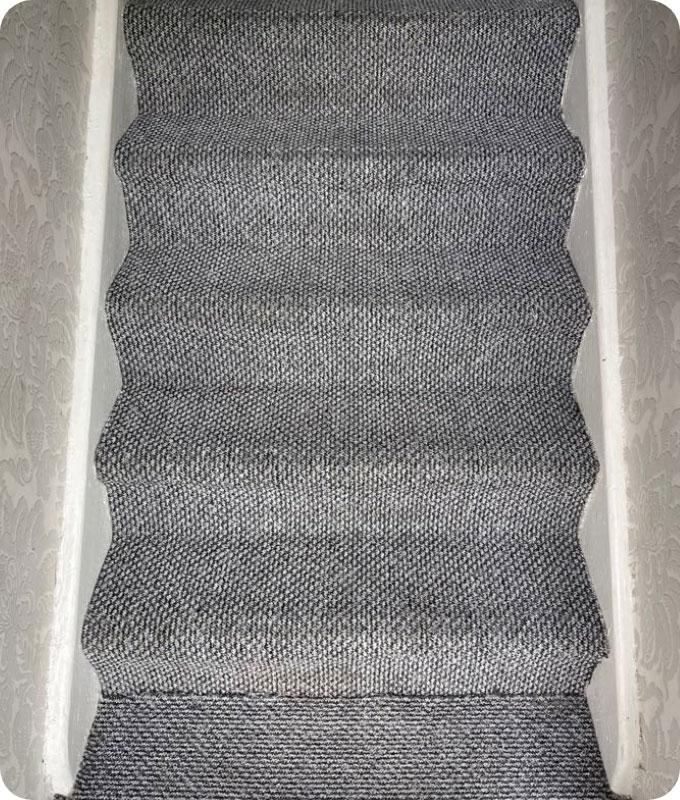
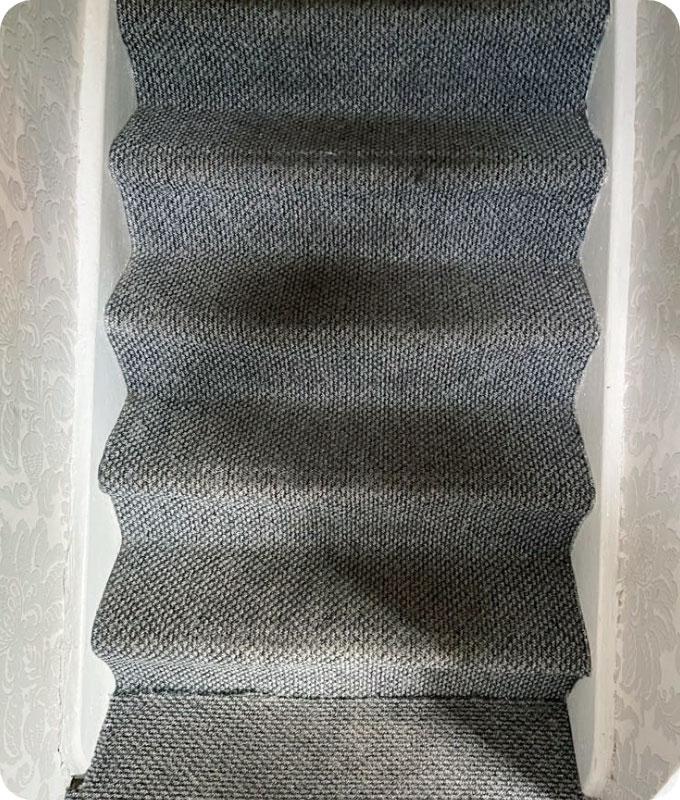
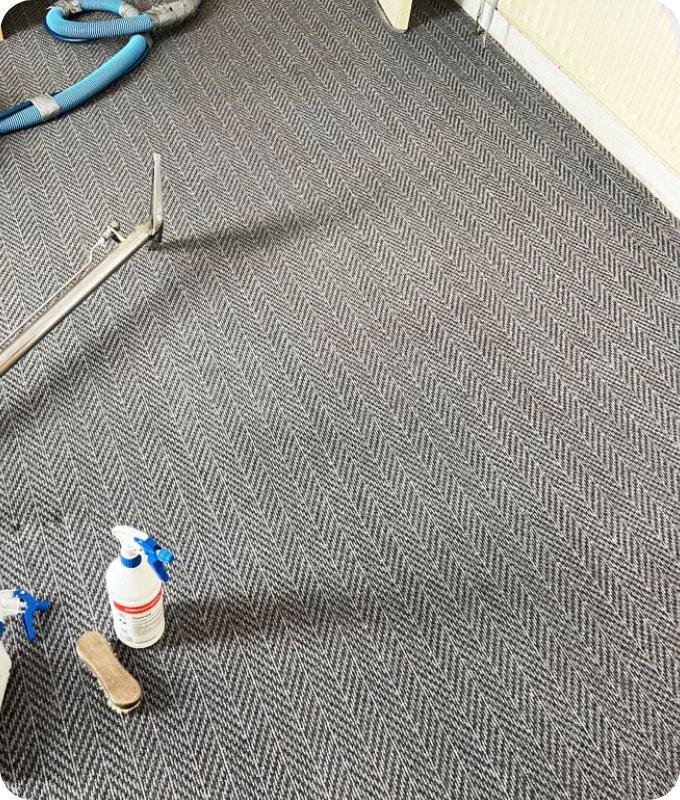
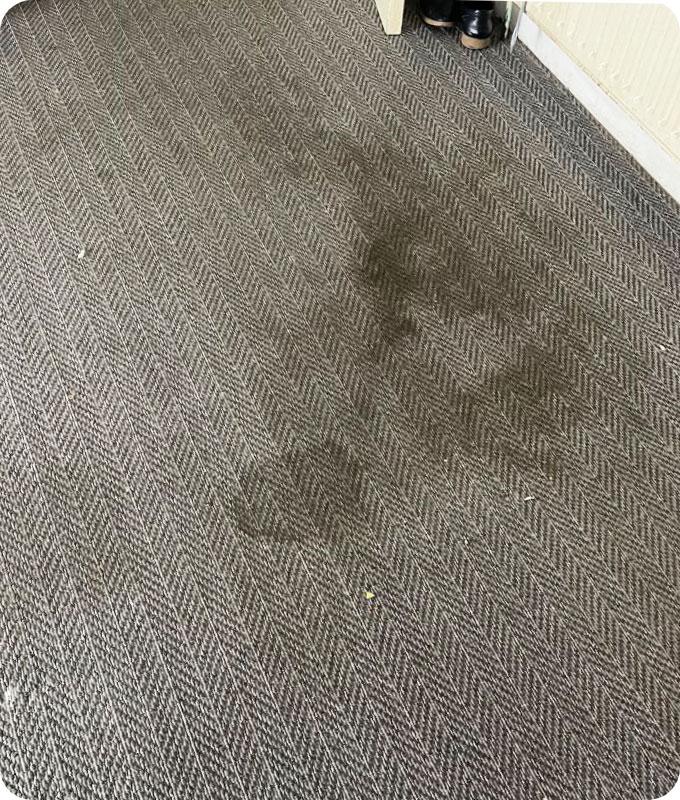
Wool remains common in Witney homes, from stair runners in period cottages to eighty-twenty blends in more recent houses, and it is the one carpet fibre that can be permanently damaged by a cleaning process rather than merely disappointed by it. Wool is a protein: it has scales, it holds a great deal of moisture, it is sensitive to pH, and it does not forgive the products that work perfectly well on a synthetic.
A fibre with its own chemistry
Wool sits comfortably in a mildly acidic range and degrades as conditions move alkaline. Above roughly pH nine the scales swell and the dye bond weakens; strong alkalis dissolve the fibre outright. Any product used on wool therefore has to be selected for it, and the job finishes with an acidic rinse rather than plain water. How different fibre families are handled is covered on carpet and rug cleaning services UK.
What high pH does that cannot be undone
The damage from an aggressive product is not a stain but a change in the fibre itself: a harsh, brittle handle, colour that has moved rather than lifted, and a patch that felts when it dries. Oxygen and chlorine bleaches strip dye from wool in seconds. None of this reverses, which is why a fibre test before the first application is standard rather than cautious.
Browning that appears as the carpet dries
Cellulosic browning is the classic wool fault. Lignin and tannins from the jute backing, or from an earlier spill, are mobilised by moisture and carried to the tips of the pile as it dries, leaving a yellow-brown cast across a whole area that was clean when the technician left. Prevention is low moisture, fast drying and an acid rinse; correction needs a specific browning treatment rather than a repeat clean. The same fault turns up on comparable stock in weekend carpet cleaning in Bicester.
Shrinkage, jute backing and seams
Older wool carpet on a jute secondary backing shrinks when it is over-wetted, and shrinkage pulls the carpet off the grippers at the edges, opens seams and leaves ripples that need a fitter to correct. Controlled solution volume, thorough dry strokes and air movement are what prevent it. Wall-to-wall wool in a large room is treated in sections rather than soaked as a whole, and everyday care between visits sits with cleaning services across Witney and nearby areas.
Alkaline building dust is the worst thing for wool
Plaster, screed and jointing residue are strongly alkaline, and left in a wool pile they sit against the fibre doing slow damage while attracting soil. They also cannot be wetted first without setting. Repeated filtered dry extraction comes first, then a wool-safe wet stage with an acidic finish, which is why wool floors are the last item in the sequence described under fully insured post-build cleaning in Witney.
Blends do not behave like pure wool
A great deal of what is sold as wool carpet is an eighty-twenty blend, with nylon added for resilience. The mixture cleans as wool, because the wool component sets the limits on pH and temperature, yet it wears and crushes more like a synthetic, and the nylon takes up acid dyes far more readily. In practice a spilled fruit drink stains a blend more stubbornly than a pure wool carpet of the same shade, while the blend recovers better from furniture compression. Checking the label on an offcut in the loft, where one has survived, removes a good deal of guesswork before the first product is chosen.
What a wool-safe appointment involves
A visit begins with a burn test or a fibre check where the specification is unknown, a colourfastness test in a concealed corner, and a moisture reading on the backing. Cleaning uses wool-approved chemistry throughout, with mechanical agitation doing the work instead of aggressive product, and drying assisted so the pile is not damp overnight. Pricing is by room and measured area. Wool sheds loose fibre for months when new, which is normal rather than a fault. Tenancy timings follow same-day end of tenancy cleaning services in Bicester.