Deposit disputes are decided on evidence, not on effort, and that single fact ought to shape how a tenancy in OX16 is wound up. An adjudicator sees a check-in report, a check-out report and a set of photographs. Nobody at the scheme ever visits the house. What actually happened in the property matters far less than what was recorded, which makes the sequence of inspection, clean and re-inspection worth planning rather than improvising.
The check-in report sets the target
The standard a tenant has to meet is the condition recorded at the start, less fair wear and tear. That is a much more specific target than getting the place clean, and it is worth reading before any work begins. If the oven was noted as lightly marked on day one, returning it spotless is generous rather than necessary. If the report says professionally cleaned throughout, that is the bar, and general tidiness will not clear it.
Wear and tear is not soiling
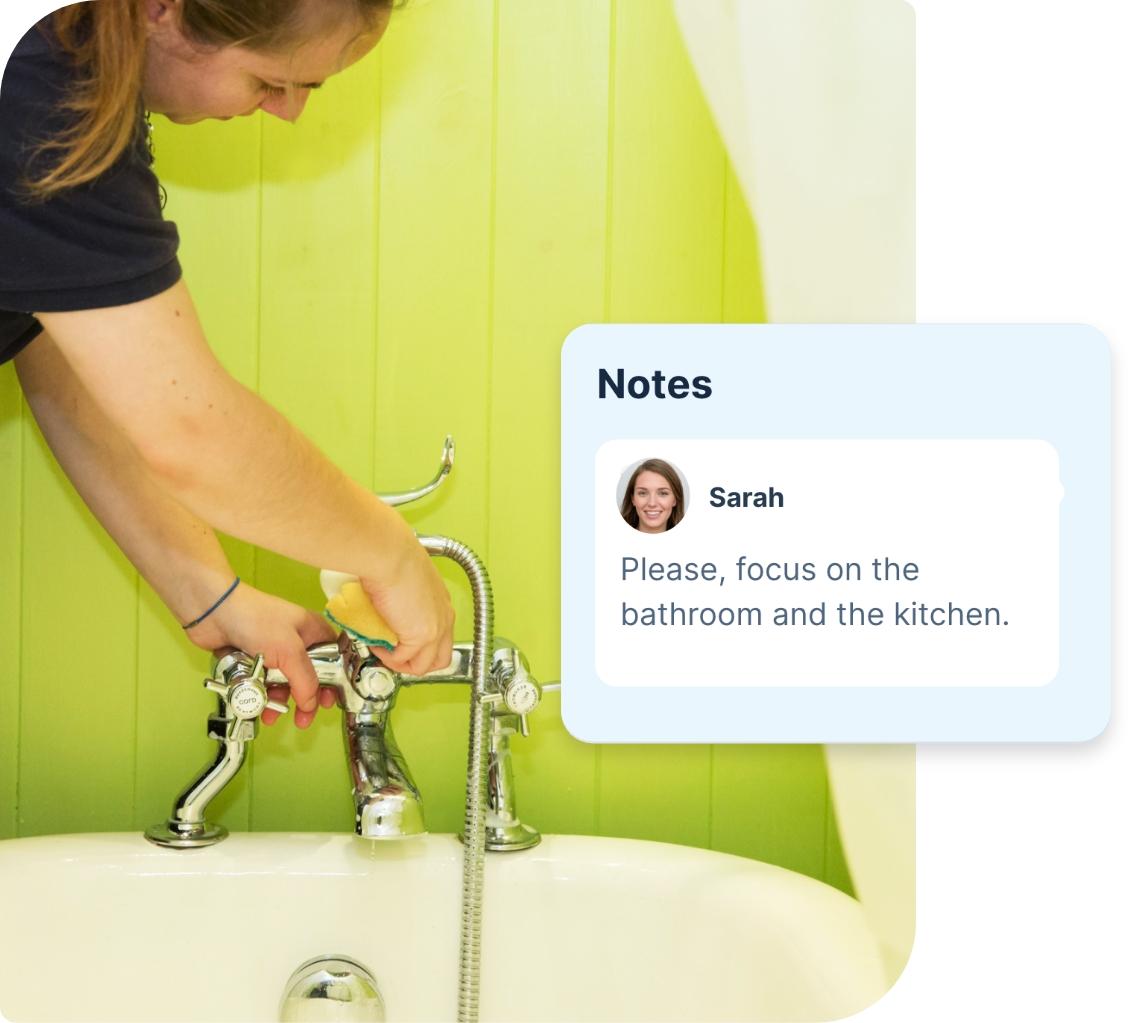
Adjudicators draw a line that surprises people. A carpet thinning in a doorway after three years is wear; the same carpet with a stain is soiling. A wall marked by furniture is wear; a wall with handprints is not. Limescale, grease and mould are all removable, so none of them count as wear regardless of how long the tenancy ran. Cleaning therefore has the most leverage in exactly the places where landlords most often claim, and almost none where the claim would fail anyway.
Photographs decide the close calls
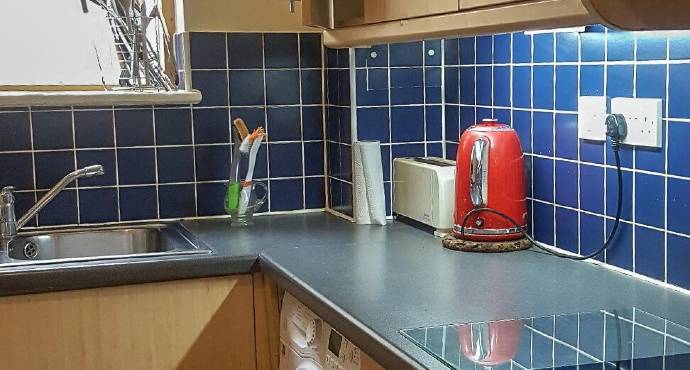
Dated photographs taken after the work and before the keys go back are the cheapest insurance available to a departing tenant. They need to show the same views as the check-in report, taken in daylight, including the inside of the oven, the shower enclosure, the tops of kitchen units and the inside of the fridge. A written invoice for the clean adds weight, since it demonstrates the work was carried out to a defined specification rather than to somebody's own judgement.
Ironstone terraces and their awkward corners
A good deal of the rented stock in the older parts of town is nineteenth-century terrace, with deep skirtings, chimney breasts, steep stairs and windows set in thick reveals. Those features add hours to a clean because everything has an edge, a ledge or a return. Later estate housing on the edge of town is quicker per room but has more of the surfaces that photograph badly: gloss doors, white plastic trim and light carpet.
Timing the three events
Clean, photograph, hand over keys, in that order, ideally within a day. A gap of a week lets dust resettle and lets other people into the property. Where a removal and a clean fall on the same date the removal has to finish first, and appliance work with a soaking stage, of the sort arranged under professional deep oven cleaning in Banbury, is often placed the day before so the parts are back in situ and dry.
Reporting what cleaning cannot fix
Some findings fall outside a cleaner's scope and it helps everyone to say so plainly. A perished silicone bead, a blown patch of plaster, a chipped worktop, a door that no longer closes squarely and a carpet with a permanent burn are repairs or wear, not soiling. Setting them down in writing when the work finishes gives a tenant something to point at and gives a landlord a maintenance list rather than an argument. It also stops the clean being blamed for a defect that was recorded months earlier.
What a booking includes
A tenancy clean works from the fixed specification on end of tenancy cleaning services nationwide and covers the property empty, with utilities connected. Pricing follows size and furnishing, not hours. Soft flooring is quoted separately because the machine and the drying time are separate, which is how Banbury carpet cleaning specialists operates, and the identical list is delivered in the neighbouring town under trusted end of tenancy cleaning services in Abingdon. Where a landlord needs the property kept in order between viewings rather than deep cleaned once, cleaning services specialists in Carterton is the arrangement that fits.