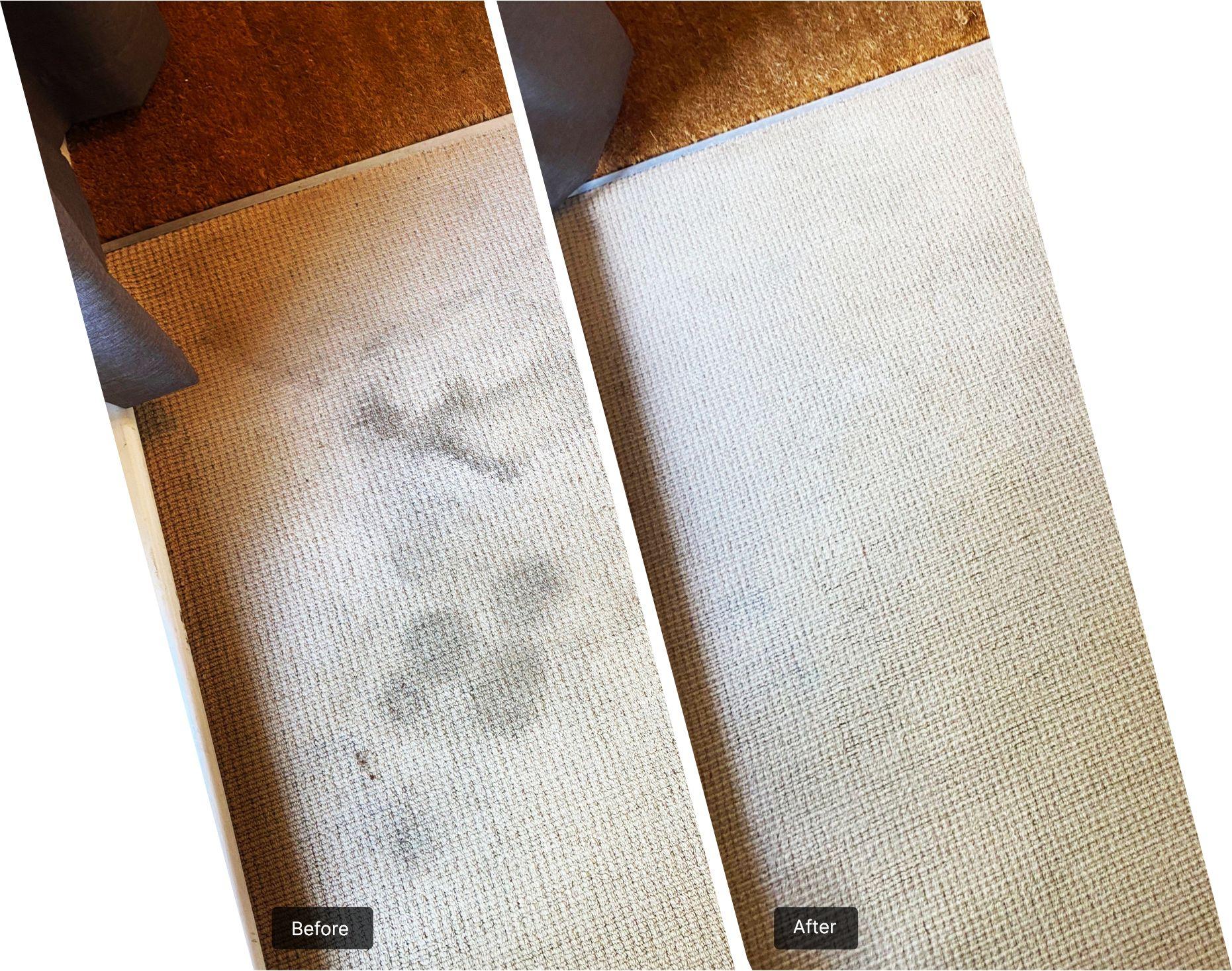
An empty room is the easiest carpet a technician will ever be handed, and almost nobody uses that window. In the NW postcodes the moment a flat or house changes hands is exactly when floors can be cleaned properly: nothing is dragged out and back, the whole pile is reachable, edges can be lifted, and there is no household waiting to walk on damp fibre before it is ready.
The advantage of a room stripped of furniture
With rooms cleared, treatment can be continuous rather than a series of shapes worked around a sideboard. Grippers, thresholds and the strip beneath a radiator all become accessible, and those margins hold far more soil than the middle of a room ever does. Anyone arranging a removal is already committing a day to an empty property, so the floors are best slotted into that same day, once the load is away through our team in the area.
Sequencing against the collection date
Order matters. Cleaning before the last load leaves means damp carpet under trolley wheels and boot soles; cleaning after the keys are gone is impossible. The workable sequence is the vehicle loaded and away in the morning, floors during the afternoon, and the property left locked overnight to dry. Smaller loads that can be shifted in a single trip, arranged through furniture collection in North West London, make that timetable considerably easier to hold.
The rectangle where the sofa stood
Furniture feet compress a pile for years and the crush does not simply brush out. Recovery depends on fibre: wool has natural crimp and will often lift with damp heat and grooming, whereas polypropylene has effectively no memory and stays flattened. Raising a crushed area is done with moisture, a pile brush and time rather than force, since the backing tears long before the yarn gives. Dimples left by castors are a different matter again, because the point load has usually broken backing yarns rather than merely flattened the pile, and those small depressions tend to stay. How different fibres respond is covered on our carpet and rug cleaning team.
Colour under the wardrobe
Shifting a wardrobe that has not moved in a decade exposes carpet in its original shade, and the contrast with the faded room is often mistaken for dirt. Ultraviolet fading is permanent and cleaning will not close the gap; what cleaning does is remove the soiling that exaggerates it. Rooms with a large south-facing window show the sharpest contrast, and a rug left in one position for years produces the same effect in miniature. That distinction is worth understanding before a floor is condemned, and it comes up just as often on jobs like our King's Cross team.
What else is worth booking in the same week
A property being handed over needs more than its floors, and coordinating the trades saves a second void week. Kitchens, bathrooms, internal glass and appliance interiors belong to a different specialism, generally arranged through Mill Hill professional cleaners, and they are finished before the carpets so that nothing drips onto clean pile afterwards.
Outside the front door on the day itself
Moving day is when the most soil enters a property: repeated trips, wheeled equipment, and whatever the pavement and parking bay happen to be carrying. A swept, clean approach and a run of protective sheeting from the threshold to the first room prevents most of it. Where the paving itself is the problem, hard-surface work such as vetted pressure washing services in Kentish Town is arranged as its own visit well before the move.
Leaving a floor ready for boxes
A booking covers a pre-vacuum, pre-spray with dwell time, agitation, hot extraction and dry passes, with air movers left running where the property will be shut up. Pricing is by room and by area, with stairs and landings separate. Access details matter more than usual: lift booking, loading-bay hours and parking suspensions should be confirmed in advance. Exterior surfaces at the property being vacated, including work such as pressure washing across Kilburn, are scheduled separately.