Sometimes the honest answer is that the carpet does not need cleaning, it needs re-fitting. Eltham's interwar semis were built with generous hallways and stairs, and a great many still carry carpet laid a decade or more ago on gripper rods and underlay that has long since given up. Ripples across a landing, a lifting edge at a threshold, a door that catches - none of those are dirt, and extraction will not touch them. Worse, cleaning a rippled carpet can make the waves more pronounced as the backing relaxes.
Underlay is the part nobody looks at
Underlay does most of the work in a fitted floor: it absorbs impact, protects the backing from the sub-floor, and determines how the carpet feels underfoot. Old crumb rubber compresses permanently and eventually turns to powder; felt flattens in traffic lanes and holds moisture. When underlay has failed, the carpet above it wears at several times the normal rate and feels thin regardless of the pile. Replacing underlay under a sound carpet is a worthwhile job in its own right.
Ripples, and what causes them
A carpet that has developed waves has either been fitted without proper stretching, been dragged by heavy furniture, or absorbed moisture and relaxed. Power stretching pulls the carpet tight across the room and re-hooks it on the gripper, which removes the waves properly. Simply trimming the excess is a false economy: the tension is wrong and the ripples return. A rippled floor is also a trip hazard on a landing, which matters in a house with stairs.
Deciding between cleaning, repair and replacement
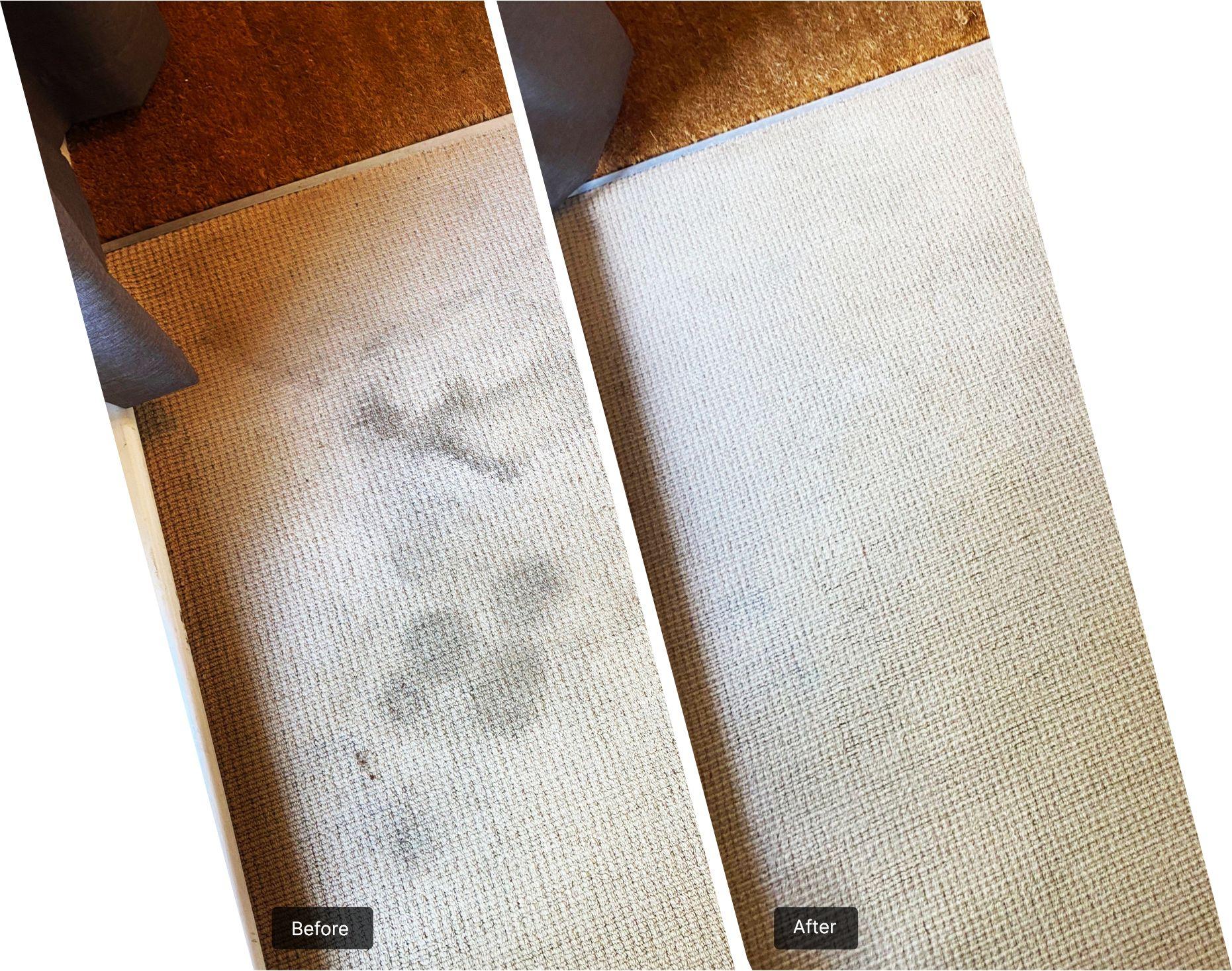
The assessment is straightforward. Look at the tip of the yarn: if the twist is still closed and the pile stands up after a clean, the carpet has life in it. If the tips have splayed and matted in the traffic lanes, the fibre is mechanically worn and cleaning will remove the soil but leave the dullness, because light is scattering off damaged yarn. Seams opening, backing showing and bald nosings on a stair belong in the replacement column rather than the cleaning one. Saying so at the survey stage costs a job and saves a complaint, which is a trade most technicians are happy to make.
Long hallways and the way soil is distributed
These houses tend to have a hall running the full depth to a back door, so the whole length carries traffic while the rooms off it stay comparatively clean. That produces a strongly uneven floor, and cleaning the hall alone often makes the adjoining rooms look worse by comparison. Where a whole-property refresh is wanted, professional house cleaning in Eltham covers the rooms and hard surfaces alongside the flooring.
Repairs that are worth doing before a clean
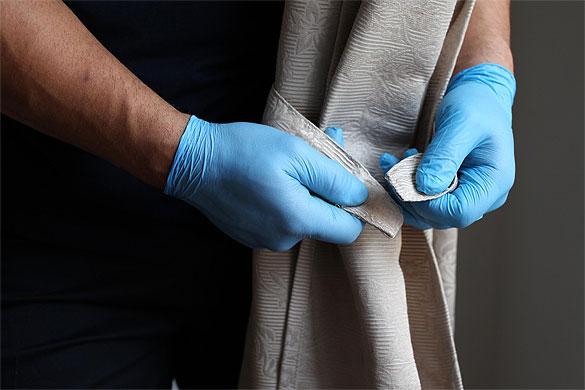
A burn or a bleach spot can be patched with a piece cut from inside a wardrobe or from a retained offcut, matching pile direction so the repair disappears under normal light. A lifting threshold strip is refixed in minutes. Loose gripper at a doorway is re-nailed before a machine crosses it. Doing this work before rather than after cleaning means the repaired area is cleaned along with everything else. Upholstered furniture in the same rooms is usually treated at the same visit, which is what the local team covers.
What a survey-and-clean visit includes
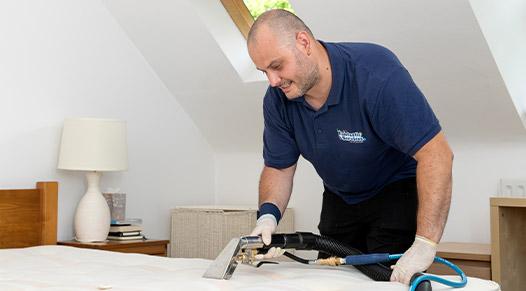
The technician walks the property first, notes fitting condition as well as soiling, and says plainly where cleaning will and will not help. Quotes are per room with stairs, landings and hallways counted individually. Clear the floor of small items and open the loft hatch if a stored offcut is needed for a patch test. Repairs and re-stretching are priced separately from cleaning. Comparable work in adjoining streets is arranged through local specialists, wider household attention through our team in the area, and material guidance is on our carpet and rug cleaning team.