

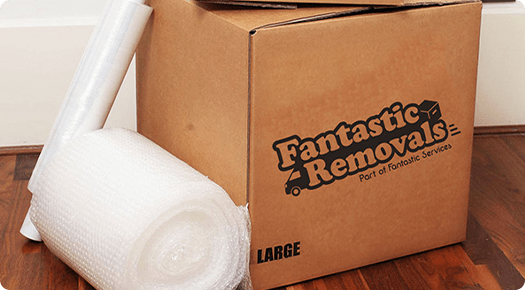
TL;DR — Moving Supplies Cost At A Glance
- A delivered moving-supplies kit costs £30–£150, depending on house size and how much protective wrapping you add, inc VAT.
- Individual boxes run roughly £1–£4 each, with wardrobe cartons and specialist boxes costing more.
- Price depends on the number and grade of boxes, tape, bubble wrap, packing paper and whether you buy a ready-made kit.
- Kits are priced by home size — a 1-bed pack starts around £30, a 3-bed pack £60–£100, and a large-home pack £100–£150+.
- Buying a bundled kit is usually cheaper than piecing supplies together, and leftover items can be returned or reused.
- Reusing clean boxes and buying only what you need are the simplest ways to keep the cost down.
- Order moving supplies delivered to your door — check moving supplies and book online or call to match a kit to your home size.
 Add to Preferred Sources
 How Much Do Moving Supplies Cost In 2026?
Moving supplies cost £30–£150 for a delivered kit in 2026, scaled to your home size, or you can buy items individually — boxes at roughly £1–£4 each, tape, bubble wrap and packing paper on top. Unlike a labour-based service, supplies are a product, so the price is largely the same nationally; the only real regional difference is delivery, where London drop-offs can carry a small premium for access and parking.
The cost is driven by how many boxes you need, the grade of cardboard, and how much protection your belongings require. A minimalist flat move might need a dozen boxes and a roll of tape; a family home with china, glassware and electronics needs sturdy double-walled boxes, wardrobe cartons and plenty of bubble wrap. Ready-made kits bundle the right mix for each home size and usually work out cheaper than buying piece by piece.
Here is what moving supplies typically cost:
| Supplies kit | Rest of UK | London & South East |
|---|---|---|
| Small (studio / 1-bed) | £30 – £50 | £30 – £55 |
| Medium (2-bed) | £45 – £75 | £45 – £80 |
| Large (3-bed) | £60 – £100 | £60 – £110 |
| Extra large (4-bed+) | £100 – £150+ | £100 – £160+ |
Product prices are broadly national; London delivery may add a small amount for access and parking. Figures include VAT and reflect 2026 market rates — order a kit here.
Moving Supplies Cost By House Size
Kits are built around the number of boxes a home of each size typically needs. These are indicative contents and prices:
| Home size | Rough box count | Typical kit contents | Typical kit price (inc VAT) |
|---|---|---|---|
| Studio / 1-bed | 15–25 boxes | Small + large boxes, tape, bubble wrap, marker | £30 – £50 |
| 2-bed | 25–40 boxes | Mixed boxes, wardrobe carton, tape, wrap, paper | £45 – £75 |
| 3-bed | 40–60 boxes | Mixed boxes, 2 wardrobe cartons, wrap, paper, tape | £60 – £100 |
| 4-bed+ | 60–90 boxes | Full mixed set, wardrobe cartons, extra protection | £100 – £150+ |
Individual items give a sense of unit costs: standard boxes £1–£3, large double-walled boxes £2–£4, wardrobe cartons £8–£15, a roll of packing tape £2–£4, bubble wrap £10–£25 a roll, and packing paper £8–£20.
What Affects The Cost Of Moving Supplies?
Several factors decide where you land in the ranges above.
1. Number Of Boxes
The single biggest cost is quantity. Bigger homes need more boxes, so a realistic box count — rather than guesswork — stops you over-ordering or running short mid-pack.
2. Box Grade And Type
Standard single-walled boxes are cheapest but flex under weight. Double-walled boxes cost more and protect heavy or fragile loads. Specialist cartons — wardrobe boxes, picture and mirror boxes, glassware crates — carry a premium.
3. Protective Materials
Bubble wrap, packing paper, foam pouches and corner protectors add to the total. A home with lots of china, glass and electronics needs more protection than one of clothes and books.
4. Kit Versus Individual Items
Ready-made kits bundle the right mix for a home size and usually cost less than buying each item separately. Piecing supplies together makes sense only for very small or unusual moves.
5. New Versus Reused
New boxes are consistent and strong. Reused or recycled boxes are far cheaper — often free — but vary in condition, so keep them for lighter, non-fragile items.
6. Delivery And Returns
Home delivery is convenient and often free above a spend threshold. Some suppliers buy back or accept returns of unused boxes, which effectively lowers the net cost.
What's Included — And What's Not
Typically included in a moving-supplies kit:
- A mix of small and large boxes suited to the home size
- Packing tape and a marker pen
- Basic protection — bubble wrap and packing paper
- Home delivery (often free above a minimum spend)
Usually charged separately or as add-ons:
- Wardrobe cartons and specialist boxes (mirror, picture, glassware)
- Extra bubble wrap, foam or corner protectors
- Mattress and sofa covers
- A packing service if you want the work done for you
Can You Do It Yourself?
Buying and packing with your own supplies is the standard, low-cost approach — this is a product, not a labour job, so there is no "professional versus DIY" trade-off in the usual sense. The choice is really about where you get the materials.
Sourcing free boxes from supermarkets, local shops or online marketplaces can cut the cost to almost nothing, though quality and sizing are inconsistent, and mismatched boxes stack poorly in a van. A bought kit gives uniform, strong boxes that pack and load efficiently, which matters if you are paying a man and van or removals crew by the hour. For fragile items, purpose-made cartons and proper wrapping are worth the outlay. If you would rather not pack at all, a packing service supplies materials and does the work.
How To Save Money On Moving Supplies
- Buy a bundled kit matched to your home size rather than individual items.
- Reuse clean, sturdy boxes for books, clothes and non-fragile goods.
- Source free boxes from shops and marketplaces for the bulk of a move.
- Buy only fragile-grade materials where they matter — kitchen, glassware, electronics.
- Return unused boxes if the supplier offers a buy-back or return.
- Use what you own — suitcases, holdalls, laundry baskets and drawers can carry soft items.
- Order once, accurately, to avoid paying delivery on a second top-up batch.
How To Choose A Good Moving Supplies Provider
Look for a supplier offering strong, correctly sized boxes with clear grading (single versus double-walled), transparent per-item and kit pricing, and reliable delivery. A returns or buy-back policy on unused boxes is a useful sign of good value, and bundled kits should list their contents so you know exactly what arrives.
If you are combining supplies with a move, a provider that also handles removals, a man and van or packing can deliver materials alongside the booking and save a separate order.
Fantastic Services delivers moving-supplies kits matched to your home size, with clear pricing and online ordering — pick a kit and have it sent to your door.
Frequently Asked Questions
How Many Boxes Are Needed To Move House?
As a rough guide, a 1-bed needs 15–25 boxes, a 2-bed 25–40, a 3-bed 40–60, and a 4-bed home 60–90. Homes with lots of books, kitchenware or clutter sit at the higher end.
How Much Does A Moving Box Cost?
Standard boxes cost £1–£3 each, large double-walled boxes £2–£4, and wardrobe cartons £8–£15. Buying a bundled kit usually works out cheaper than individual boxes.
Is It Cheaper To Buy A Moving Kit Or Individual Boxes?
A kit matched to your home size is generally cheaper and more convenient, because it bundles the right mix of boxes, tape and wrapping. Individual items suit only very small or unusual moves.
Can Free Moving Boxes Be Used?
Yes — supermarkets, shops and marketplaces often give away boxes, which is great for books, clothes and non-fragile items. For heavy or delicate goods, sturdy purpose-made boxes are safer.
What Materials Are Needed To Protect Fragile Items?
Bubble wrap, packing paper, foam pouches and corner protectors, plus specialist cartons for glassware, mirrors and pictures. A ready kit for a larger home usually includes the essentials.
Can Unused Moving Supplies Be Returned?
Many suppliers accept returns or offer a buy-back on unused boxes, which lowers the net cost. Check the returns policy before ordering so you can send back any surplus.
