

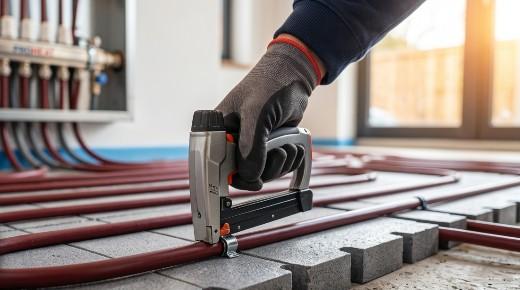
TL;DR — Underfloor Heating Cost At A Glance
- Underfloor heating typically costs £70–£120 per m² inc VAT installed, with electric (dry) systems around £85 per m² and wet (water) systems at the higher end.
- A whole-house system costs roughly £3,000–£13,000, depending on size, system type and property.
- London and the South East add around 15–25% to installation prices.
- Electric systems are cheaper and quicker to fit but cost more to run; wet systems cost more upfront but are cheaper to run and pair well with a boiler or heat pump.
- A wet system that connects to the boiler needs a Gas Safe registered engineer, and the electrical connection for either system needs a qualified electrician.
- Underfloor heating is cheapest to install during a renovation or new build, when floors are already up.
Planning underfloor heating or a wider central heating upgrade? Check prices and book a heating engineer online or call to discuss the right system for your home.
 Add to Preferred Sources
 How Much Does Underfloor Heating Cost In 2026?
Underfloor heating in the UK costs £70–£120 per m² inc VAT to install, with electric (dry) systems around £85 per m² and wet (water) systems at the top of the range. For a single room the total is modest; for a whole house, expect roughly £3,000–£13,000, depending on the floor area, the system type and how much groundwork the property needs. London and the South East add around 15–25% to labour-heavy jobs.
The choice between electric and wet is the biggest decision. Electric mats or cables are quick to lay, ideal for bathrooms and small rooms, and cheaper to fit — but they cost more to run. Wet systems circulate warm water through pipes under the floor, cost more and take longer to install, but run more cheaply and heat large areas evenly, especially when paired with a modern boiler or heat pump.
Here is what underfloor heating typically costs across the UK in 2026:
| System / project | Rest of UK | London & South East |
|---|---|---|
| Electric (dry) system, per m² | £50–£90 | £80–£110 |
| Wet (water) system, per m² | £85–£120 | £95–£150 |
| Whole-house install | £3,000–£10,000 | £4,000–£13,000 |
Figures include VAT and reflect 2026 market rates. The exact price depends on the system, floor area and property — speak to a heating engineer for a quote.
Underfloor Heating Cost By Room Size And System Type
Because underfloor heating is priced by area, it helps to see typical totals by room size for each system type. Electric works out cheaper on smaller areas; wet systems become more cost-effective per m² across larger, whole-home projects.
| Room size | System type | Rest of UK | London & South East |
|---|---|---|---|
| 10 m² room | Electric (dry) | £500–£900 | £800–£1,100 |
| 10 m² room | Wet (water) | £850–£1,200 | £950–£1,500 |
| 20 m² room | Electric (dry) | £1,000–£1,600 | £1,600–£2,000 |
| 20 m² room | Wet (water) | £1,700–£2,400 | £1,900–£3,000 |
| 40 m² room | Electric (dry) | £2,000–£3,200 | £3,200–£4,200 |
| 40 m² room | Wet (water) | £3,400–£4,800 | £3,800–£6,000+ |
Prices cover supply and installation of the heating system. Floor finishes, screed and any building work are usually additional — see the breakdown below.
What Affects The Cost Of Underfloor Heating?
Several factors decide where a project lands in the ranges above.
1. Electric Or Wet System
This is the main driver. Electric (dry) systems have a lower installation cost and suit retrofits and small rooms, but run more expensively. Wet (water) systems cost more to install — pipework, a manifold and often screed — but are far cheaper to run and better for whole-home heating.
2. Floor Area
Underfloor heating is priced largely by the square metre, so the size of the room or home is a direct cost driver. Larger wet-system projects often work out lower per m² than small ones because the fixed costs are spread further.
3. New Build, Renovation Or Retrofit
Installing while floors are already up — during a renovation or new build — is far cheaper than retrofitting into an occupied home, where existing floors have to be lifted and relaid. Retrofit wet systems may also need the floor height raised.
4. Floor Build-Up And Screed
Wet systems are often set into screed, which adds material, labour and drying time. Low-profile systems avoid major height changes but can cost more per m². Insulation boards under the system improve efficiency and add to the bill.
5. Heat Source And Controls
A wet system needs connecting to a heat source — a boiler or heat pump — plus a manifold, pump and zone controls. Smart thermostats and multi-zone control add cost but improve efficiency and comfort.
6. Your Location
London and the South East run roughly 15–25% higher than the rest of the UK on labour, the main regional difference on these installation-heavy jobs.
What's Included — And What's Not
Typically included:
- The heating system itself (electric mats/cable or wet pipework and manifold)
- Insulation boards where specified
- Connection to the power supply (electric) or heat source (wet)
- A thermostat and basic controls
- Testing and commissioning
Usually charged separately or excluded:
- Lifting and relaying existing floors on a retrofit
- Screed and any floor build-up for wet systems
- The final floor finish (tiles, wood, vinyl)
- A new or upgraded boiler or heat pump if the current one can't cope
- Making good and decoration after building work
Ask for an itemised quote so you can see the split between the heating system and the associated building work.
Can You Do It Yourself?
Partly, with caution. A competent DIYer can lay an electric underfloor heating mat on a small floor, but the electrical connection to the mains and the thermostat must be done by a qualified, registered electrician and certified. Getting the mains side wrong is dangerous and can invalidate warranties and insurance.
A wet system is not a DIY job. It needs correctly designed pipework, a manifold, a pump and a connection to the boiler or heat pump. Where it ties into a gas boiler, a Gas Safe registered engineer is required, and the layout has to be designed to heat the room properly. For anything beyond a small electric mat, a professional install is the safer and usually cheaper route once mistakes are factored in.
How To Hire A Good Heating Engineer
For a wet system that connects to a gas boiler, the engineer must be on the Gas Safe Register — check the ID card against the official register. The electrical side of any system needs a qualified, registered electrician who will certify the work. Confirm insurance, ask for reviews and references, and get a written, itemised quote covering the system, controls and any building work. A good installer will also design the layout to heat the space evenly.
For underfloor heating tied into your central heating or boiler, Fantastic Services can connect you with qualified engineers, with transparent pricing and easy online booking — start by describing your project and property.
How To Save Money On Underfloor Heating
- Install during a renovation or new build, when floors are already up — retrofitting into an occupied home costs far more.
- Match the system to the room: electric for small areas and bathrooms, wet for whole-home or large open-plan spaces.
- Do whole rooms or zones at once rather than piecemeal, to make the most of each set-up.
- Add insulation boards — they raise the upfront cost slightly but cut running costs for years.
- Fit good controls such as a smart thermostat and zoning, so you only heat the rooms in use.
- Get 2–3 quotes and compare the full scope — system, screed, controls and floor finish — not just the headline per-m² rate.
Frequently Asked Questions
How Much Does Underfloor Heating Cost Per m² In 2026?
Underfloor heating costs £70–£120 per m² inc VAT on average, with electric (dry) systems around £50–£90 per m² and wet (water) systems around £85–£120 per m². London and the South East add roughly 15–25%.
How Much Does It Cost To Install Underfloor Heating In A Whole House?
A whole-house system typically costs £3,000–£13,000, depending on floor area, whether it's electric or wet, and how much building work is involved. Wet systems suit whole-home heating and become more cost-effective per m² at scale.
What's The Difference Between Electric And Wet Underfloor Heating?
Electric (dry) systems use heating mats or cables — quick to fit, ideal for small rooms and retrofits, but more expensive to run. Wet (water) systems circulate warm water through pipes — pricier and slower to install, but cheaper to run and better for large areas and whole homes.
Is Underfloor Heating Cheaper To Run Than Radiators?
A wet underfloor system can be more efficient than radiators because it runs at a lower water temperature and heats evenly, which pairs especially well with a heat pump. Electric underfloor heating costs more to run, so it's best used in smaller spaces such as bathrooms.
Can You Install Underfloor Heating Yourself?
A competent DIYer can lay a small electric mat, but the mains electrical connection must be done and certified by a qualified electrician. Wet systems should be installed by a professional, and where they connect to a gas boiler, a Gas Safe registered engineer is required.
Does Underfloor Heating Need A Gas Safe Engineer?
A wet system that connects to a gas boiler must be worked on by a Gas Safe registered engineer. The electrical connection for either system needs a qualified electrician. A standalone electric mat with no boiler involvement mainly needs the electrical side certified.
Is Underfloor Heating Worth It?
For the right room it can be — even heat, no radiators taking up wall space, and, with a wet system, lower running costs over time. It's most cost-effective when fitted during a renovation or new build rather than retrofitted into an occupied home.
