
Mould risk starts with moisture.
Use your humidity reading to understand when to act.
If you received advice, a quote, or a hygrometer from Fantastic Services, this guide helps you understand what indoor humidity readings mean, why mould can return, and when professional mould treatment may be needed.
Move the indicator to match your hygrometer reading and see how the risk changes. If readings regularly move above the healthy range, the room may need ventilation, heating balance, leak checks or professional mould advice.
How to read the room, not just the number
A hygrometer is most useful when you watch the pattern over several days. One reading can be misleading, but repeated high readings can show that moisture is building up faster than the room can clear it.
Where to place it
Place the hygrometer in the affected room, away from radiators, open windows, direct sunlight and extractor fans. Keep it near the area you are worried about, but not pressed directly against the wall.
When to check
Check morning and evening readings for 3 to 5 days. Also check after showers, cooking, drying clothes indoors or long periods with windows closed.
What repeated high readings mean
If the room regularly moves above the healthy range, moisture may be trapped by poor ventilation, cold surfaces, leaks, blocked airflow or everyday humidity habits.
When to act
If readings stay elevated and mould is visible, returning or musty-smelling, cleaning alone is unlikely to solve the underlying condition.
Trusted property services, proven at scale
Fantastic Services supports customers across London with cleaning, maintenance, pest control, removals and property services. When mould is flagged inside a home, our team can help turn that early warning into a practical mould removal enquiry.
What landlords and tenants should understand
Mould is often treated as a cosmetic problem, but visible growth usually points to an underlying moisture condition. The earlier it is assessed, the easier it is to limit damage and decide whether professional mould removal is needed.
Common triggers
- Condensation from cooking, bathing, drying clothes and poor air exchange
- Cold external walls, blocked airflow behind furniture and window reveals
- Leaks, water ingress, failed seals, plumbing faults or roof/gutter issues
- High indoor humidity and insufficient extractor fans or ventilation habits
Why it should not wait
- Decoration can fail repeatedly if moisture remains
- Indoor air quality may be affected
- Furniture, soft furnishings and stored items can become contaminated
- Repair costs can increase if the source is left unresolved
Damp and mould are now treated more seriously
Mould is not just a cosmetic mark.
Damp and mould are now treated much more seriously across UK housing because of their link to health, property condition and repair responsibility. Awaab's Law, in force for social landlords from 27 October 2025, has raised awareness of how quickly mould concerns should be documented, assessed and acted on.
For any property, the practical lesson is simple: visible mould and repeated high humidity should be recorded, monitored and dealt with before the affected area spreads.
Sources
HM Coroner, Rochdale; Social Housing (Regulation) Act 2023; UK Government guidance on Awaab's Law and statutory repair timeframes.
What the research says about damp and mould
Evidence drawn from WHO Indoor Air Quality Guidelines, damp-and-mould health research, and UK case law including the Awaab Ishak coroner's inquest.
Who may be more vulnerable?
Typical mould problems seen across London homes
These examples are taken from real mould jobs completed by Fantastic Services across London. They show common residential mould patterns, but they should not be treated as a personalised report for your own property.
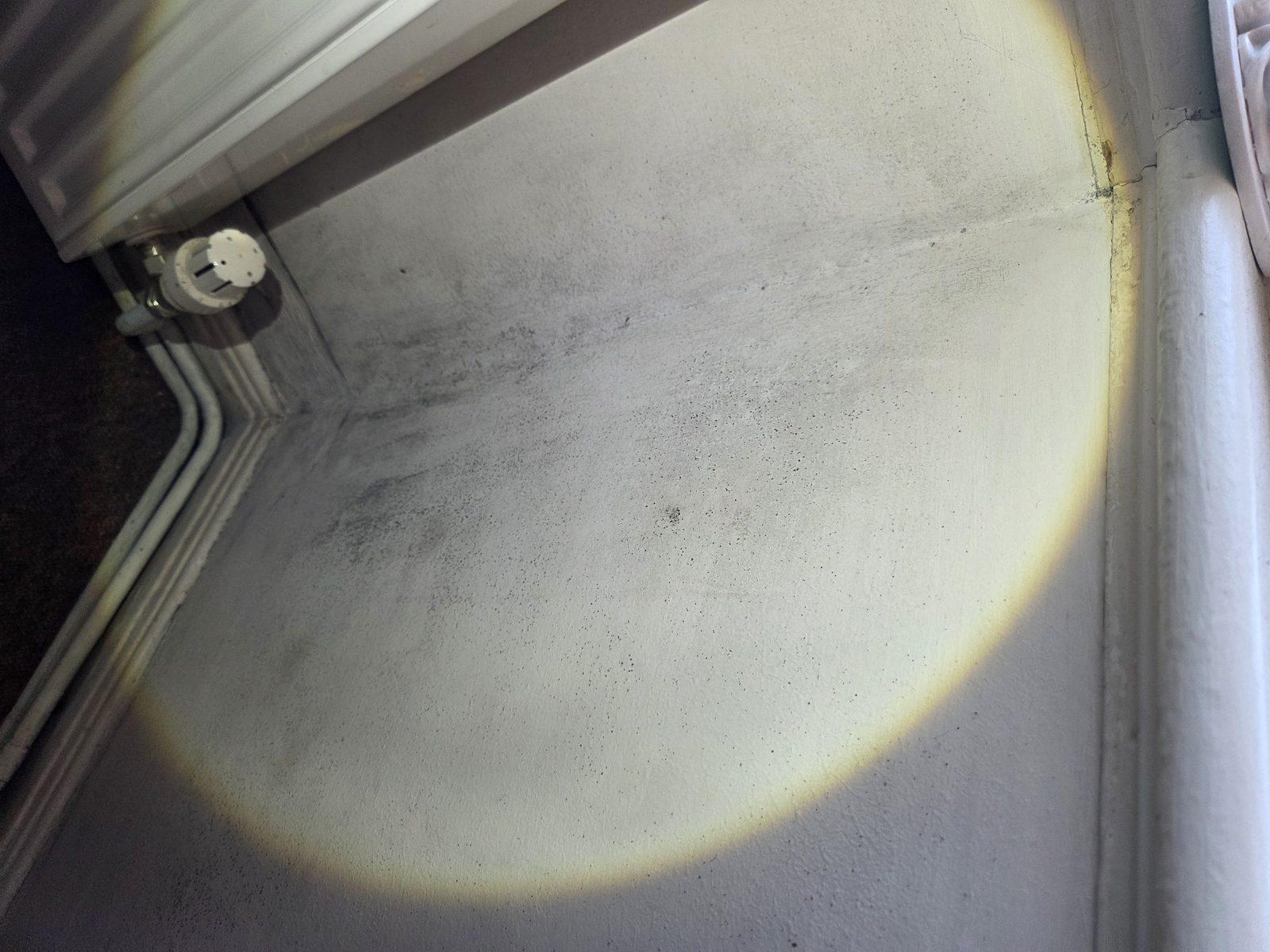 Before
 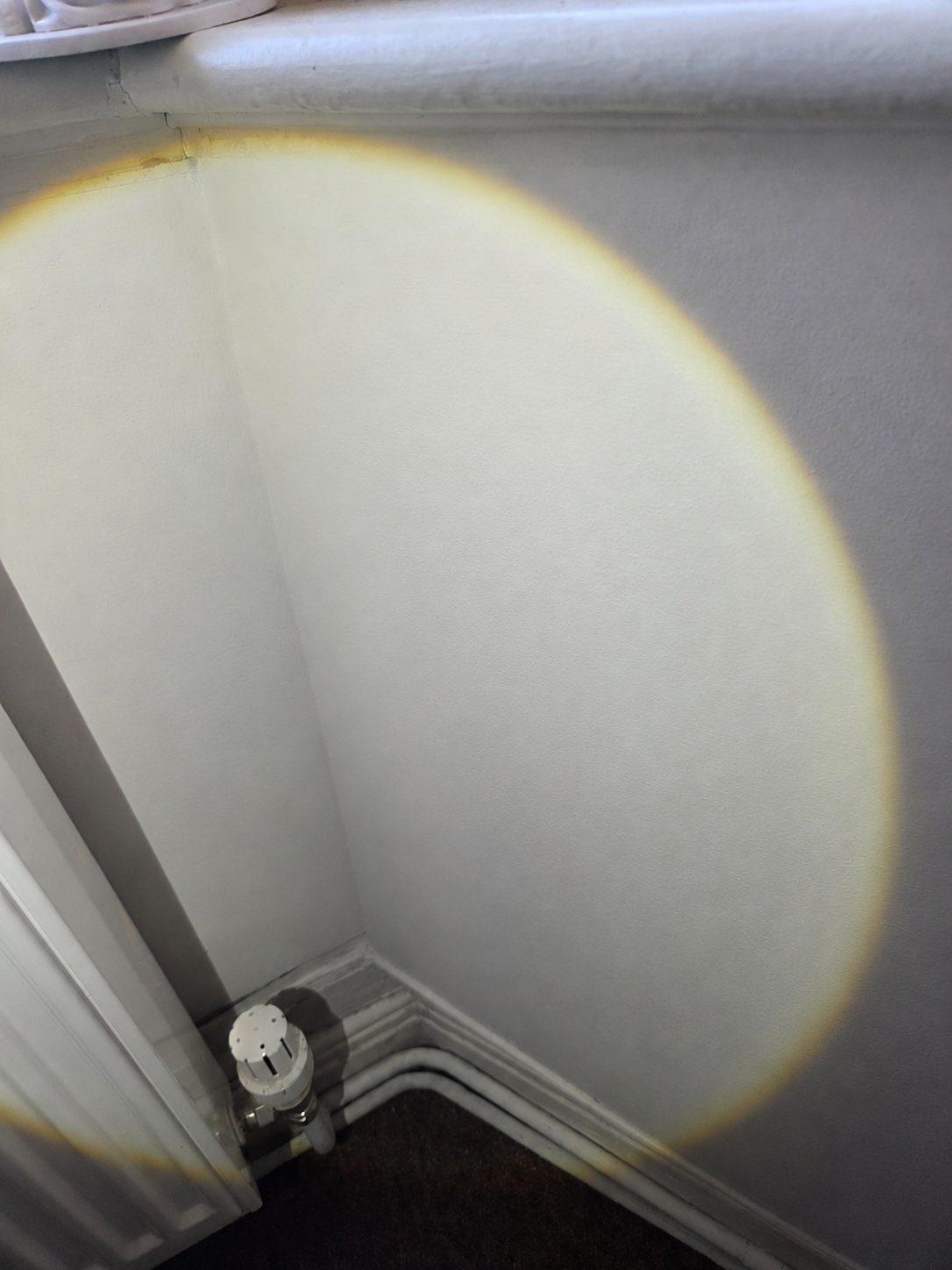 After
After 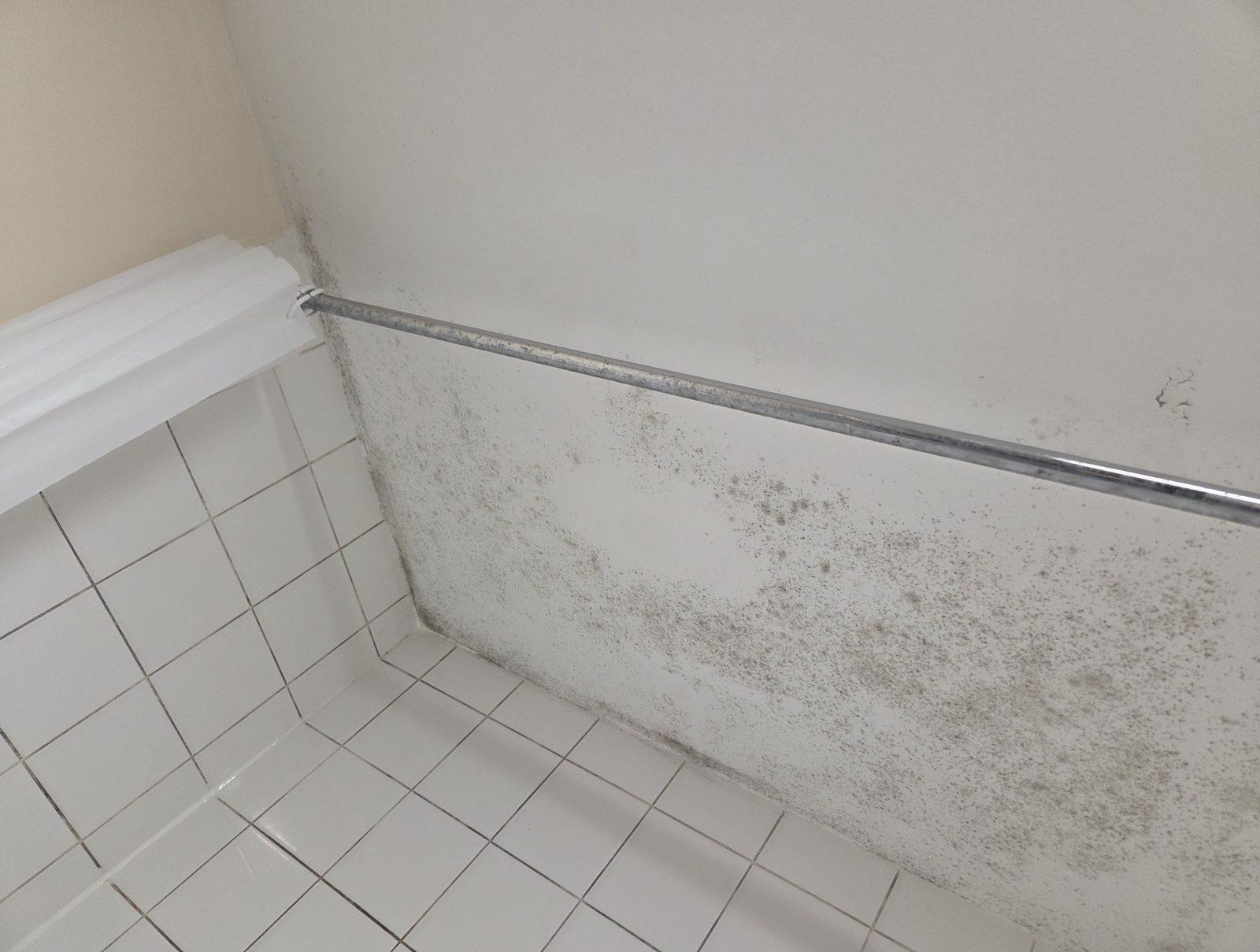 Before
 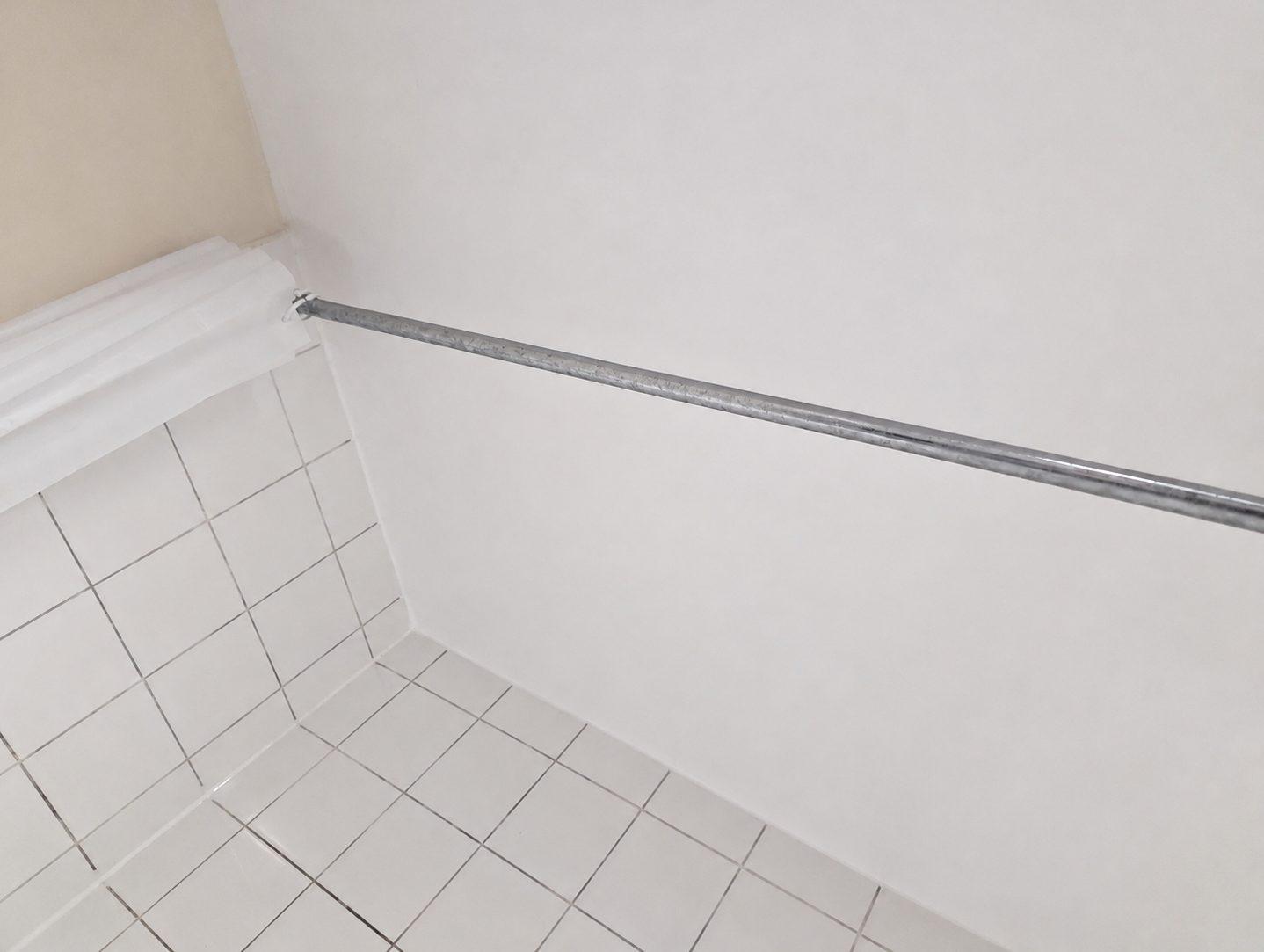 After
After 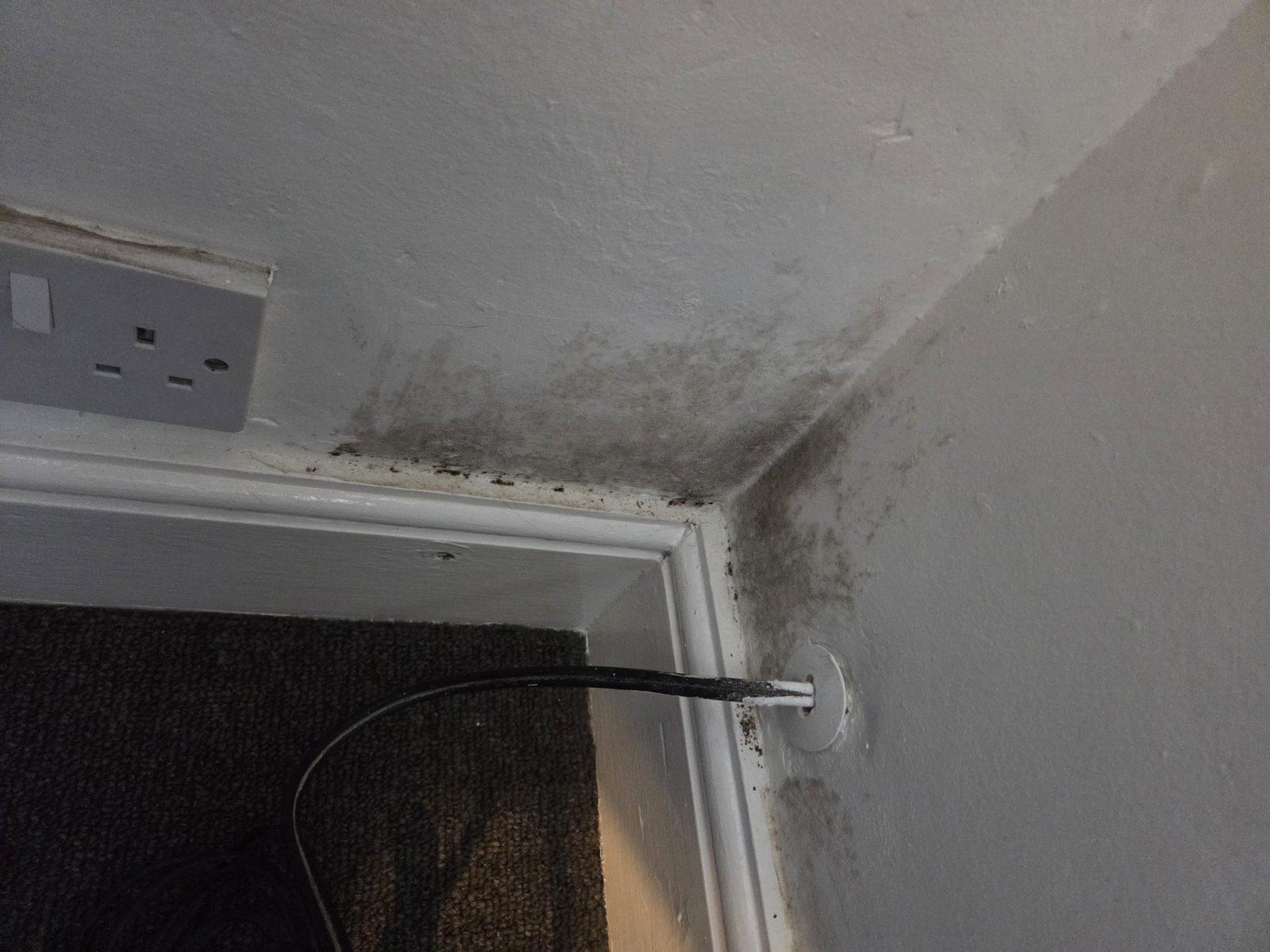 Before
 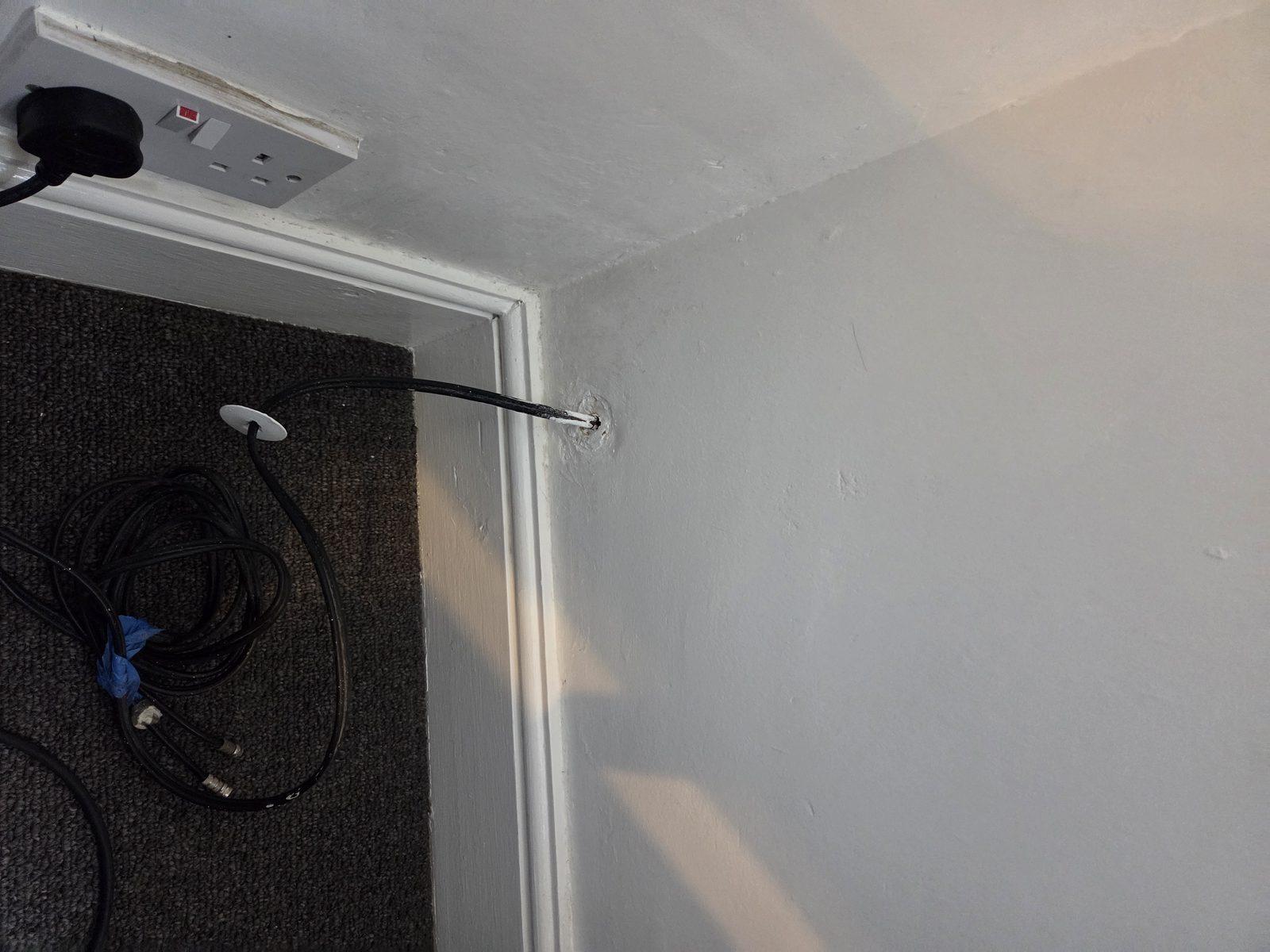 After
After 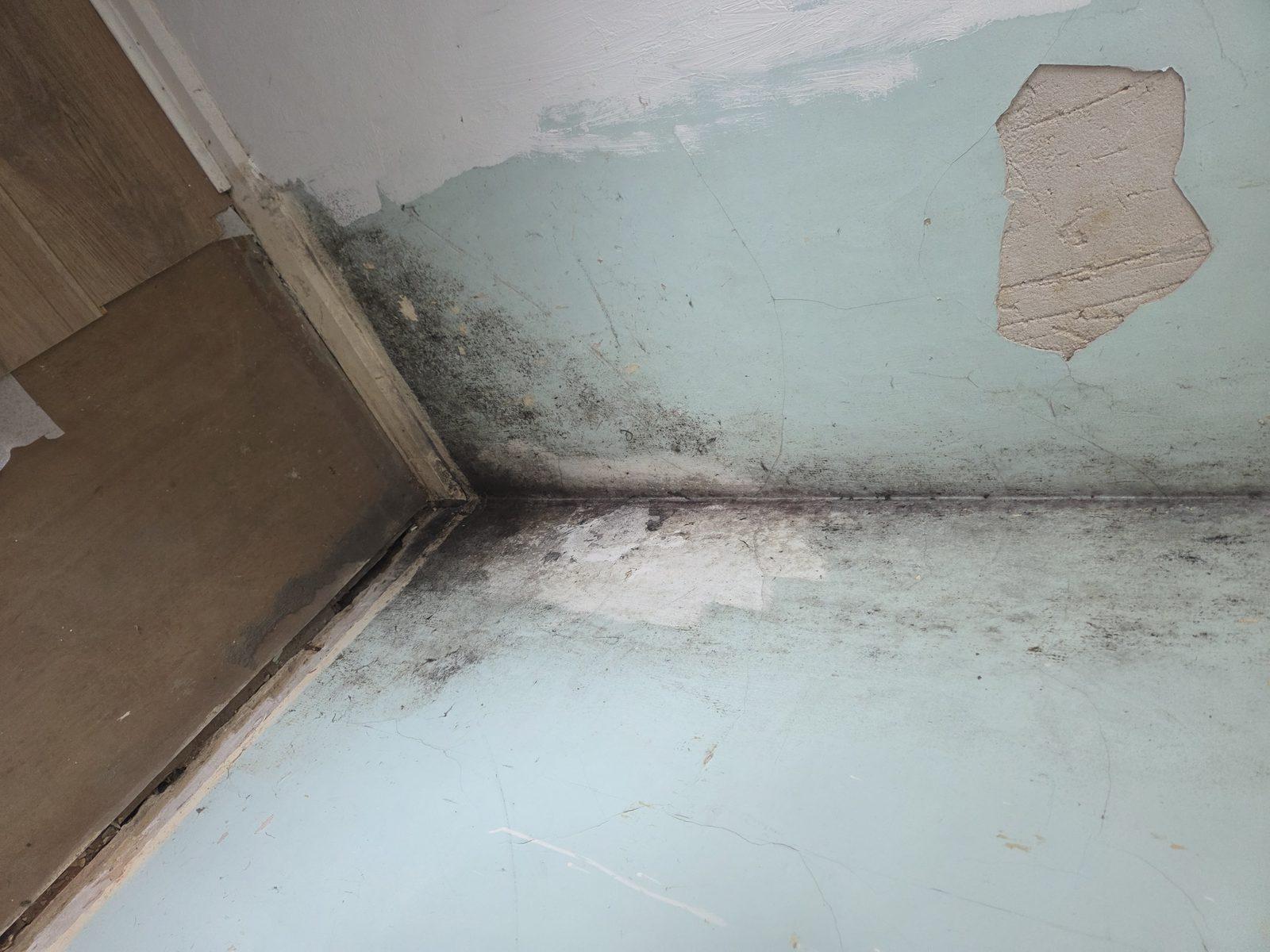 Before
 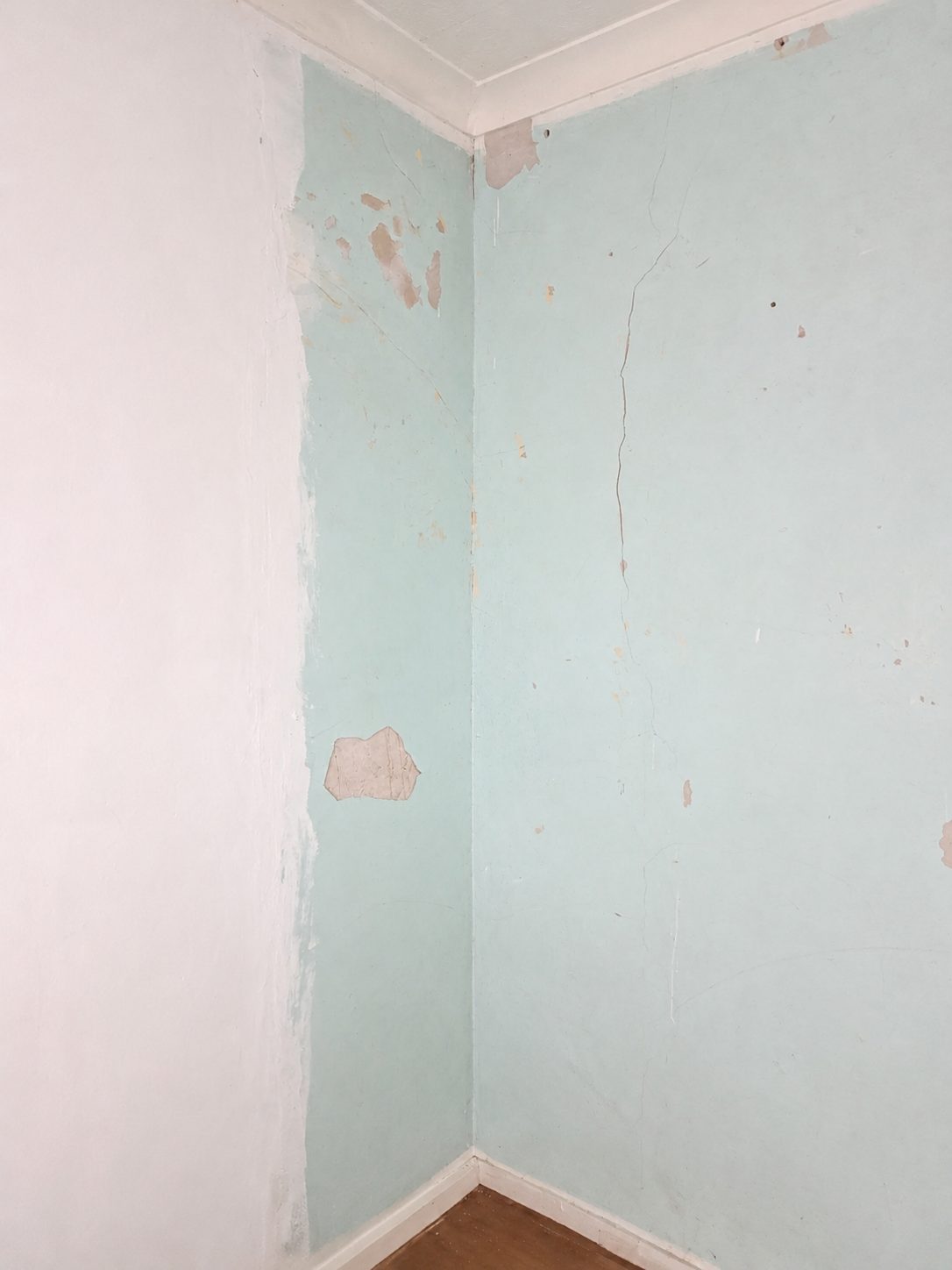 After
After"I'll just repaint it" — the substrate analysis
Surface coating can hide the stain, but it does not remove mould contamination or solve moisture moving through a wall, ceiling or window reveal. Without addressing the reason mould appeared, the problem often returns.
Repaint without proper mould removal
- Paint fails within 4–12 weeks as moisture pushes through
- Each London repaint cycle: £400–£600 in materials and labour
- Mould spores remain trapped and can bloom behind new paint
- Salt deposits continue accumulating beneath the new finish
- Wall damage progresses silently
- Over 12 months: 3–4 repaints × £500 = £1,500–£2,000 wasted
- You may eventually need plaster repair instead of earlier mould removal
Professional mould removal
- HEPA air protection before contaminated surfaces are disturbed
- Dry fog mould treatment to reach air and surfaces
- Physical mould removal using H-Class extraction equipment
- Moisture and dew point checks where appropriate
- Advice to help reduce the risk of mould returning
- Anti-mould primers and coatings applied where required
How professional mould removal works
For clients who want the technical detail. Equipment is used according to manufacturer specifications, and the process is designed to go beyond simple wiping, bleaching or repainting.
Moisture & dew point measurement
Pin and pinless moisture meters, hygrometers and surface-temperature checks can be used to understand moisture, humidity and condensation risk.
HEPA air protection
Before disturbance, the affected zone can be protected with HEPA filtration to capture airborne mould spores and reduce cross-contamination.
Dry Fog Mould Treatment
Hypochlorous acid solution is applied as ultra-fine dry fog, treating the room airspace and hard-to-reach areas including behind furniture and on suitable surfaces.
Physical removal · H-Class equipment
After neutralisation treatment, technicians physically remove mould residues using H-Class certified vacuum equipment and appropriate PPE.
When humidity readings point to a mould problem
Every mould issue is different. If your humidity readings stay high or mould is already visible, professional treatment may help stop the problem spreading. Pricing depends on the affected area, number of rooms, severity, access, surface type, moisture readings and whether decoration is required after treatment.
What affects the quote
Size of the affected area, number of rooms, visible contamination, access, surface condition, moisture levels and whether follow-up decoration is required.
What happens next
Fantastic Services can review your readings, visible signs and affected area, explain the recommended mould removal approach and confirm whether your previous quote still fits the situation.
Signs that humidity has become a mould risk
You do not need to wait until mould covers a large area. A few repeated warning signs are enough to justify a professional conversation.
Contact Fantastic Services if
- Humidity is repeatedly above the healthy indoor range
- Mould is visible or returns after cleaning
- There is a musty smell in the room
- Mould appears around windows, ceilings, external walls or behind furniture
- Children, older people, asthma sufferers or vulnerable occupants live in the property
What not to rely on
- Painting over mould without treatment
- Repeated bleach wiping as the only solution
- Blocking vents to keep a room warm
- Pushing beds, wardrobes or curtains tightly against cold external walls
- Waiting for the stain to spread before asking for advice
What to do when mould is found
What happens if treatment is delayed
Mould rarely stays exactly where it first appears. If the moisture source continues, contamination can spread across surfaces, affect furnishings and make later works more disruptive.
Have your readings moved into the risk zone?
If your humidity readings are repeatedly elevated, or mould has already appeared, Fantastic Services can review the issue and help you decide whether professional mould removal is now the right next step.
Skip the line, request and
book a service online
