
What Is Commercial Cleaning? A Guide for Business Owners
Published: March 26, 2026 Last update: March 26, 2026 Views: 60
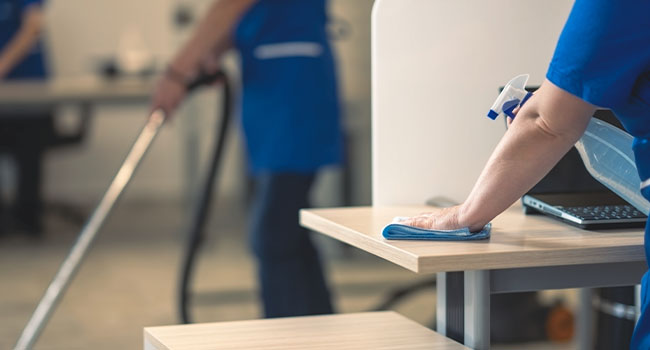
A spotless restaurant kitchen, a retail shop where nothing is out of place, a warehouse where the walkways are actually clear — these things do not just happen. Businesses operating in the physical space, not online, are held to a standard that routine tidying cannot meet. And it is not just about appearance.
Cleanliness shapes how customers perceive a brand and how safe workspaces are for employees. For certain industries, it is the difference between passing or failing an inspection. Most business owners know this, but not all of them know what to do about it.
This guide covers what commercial cleaning is, what it includes, and why this matters.
So what is commercial cleaning, exactly? In simple terms, it refers to exceptional cleaning services performed at your premises, be it a commercial property, a business complex, or any public-facing facility. They do not cater to private homes, though — that is a different category entirely.
Clinics have very different hygiene requirements than storage facilities, and neither has the aesthetic standards of a high-end boutique on Knightsbridge.
You need a service provider who understands the difference and gives you what you need to wow customers or pass a compliance inspection visit. You also need that regularly, rather than sporadically. A brilliant service is one that deep cleans the property when needed, and maintains it from then on.
A retail shop cannot close for three hours on a Tuesday for a deep clean. A hospital cannot let hygiene standards slip between wards because the cleaner had a busy morning. Commercial cleaning accounts for these realities.
Your business will benefit from having trained teams carrying out the work. These pros use specialised equipment and industrial-grade products for maximum cleanliness and efficiency. They also work on time schedules built around how the facility actually operates.
Scale is the obvious one, but it goes further than that. Residential cleaning works around a household — a few rooms, a regular slot, a fairly predictable brief. Commercial cleaning works around a business: its operating hours, its regulatory obligations, its foot traffic, and the specific demands of the space.
The stakes are also different. A dusty skirting board at home is an inconvenience. The same standard of neglect in a food preparation area or a healthcare facility is something else altogether.
A domestic cleaner and a commercial cleaning team do recognisably different jobs, even if both are holding a mop.
You may also like:
There’s a long list! Nearly every business that operates in a physical space, particularly where employees, customers, or visitors move through regularly. The more footfall, the higher the stakes.
It builds up quietly. A few crumbs in the communal kitchen, fingerprints on the meeting room glass, dust on shared equipment that nobody quite owns.
Offices need regular cleaning across desks, washrooms, and communal areas — not because they look dirty, but because by the time they do, the problem is already established.
Retail lives and prospers on presentation. Floors, fitting rooms, displays, and entrances all need consistent attention, and with the volume of people moving through, that means frequent cleaning. A fortnightly spruce would not do.
Between services, kitchens, dining areas, and washrooms need to be reset properly. Not wiped down — cleaned. Food safety regulations set the rules here, and professional cleaning is how hospitality businesses meet them.
Waiting rooms, treatment areas, and high-touch surfaces are often left with a high bioload. Healthcare environments are regimented for good reason. The wrong sanitisation or disinfection products, or even a missed surface, can have real consequences. This is one sector where cutting corners on cleaning is genuinely not an option.
A school building is like a beehive. Classrooms, corridors, cafeterias, and washrooms see constant traffic from students and staff, and the cleaning schedule has to keep up. Regular disinfection is not a luxury. It is what keeps the learning environment healthy for everyone.
These spaces generate debris as a matter of course. Dust, packaging waste, and operational spillage are everywhere, and that comes with the territory. Without a cleaning schedule, this waste accumulates into something that is not just untidy. It is also unsafe. Clear walkways and managed waste areas are a basic working condition.
Tenants notice communal areas. Lobbies, lifts, stairwells, corridors, shared washrooms — these spaces reflect on the building and on whoever manages it. Consistent cleaning is the only way that keeps them functional and presentable, which is part of what any tenant reasonably expects.

What commercial cleaning companies offer goes well beyond a regular wipe-down. Most provide a combination of routine maintenance and specialised services.
- Contract cleaning – You will get scheduled, ongoing cleaning under a service agreement. Frequency, scope, and timing are agreed in advance, so it does not become something the business has to manage day to day.
- Deep cleaning – This translates to a thoroughness that routine maintenance does not reach. Think about all the built-up grime, neglected surfaces, and areas that get skipped in a standard clean. Such measures only need to be done periodically, rather than on a weekly schedule.
- Office cleaning – Plenty of people use desks, meeting rooms, communal kitchens, washrooms, and shared areas every single day. Imagine the dirt that ends up on these surfaces. Office cleaning is the regular, behind-the-scenes work that keeps a workplace functional.
- Short let cleaning – Tenants often leave their mark on a place, even if they stay for a day or two. That’s why, as a property owner, you will need an end-of-stay cleaning for short-term rentals. Turning the space around between guests should be a smooth matter.
- End and pre-tenancy cleaning – If two days in a let need a thorough cleanup, imagine what a two-year stay would do! You should hand a commercial space over in proper condition, whether that is at the end of a tenancy or before a new one begins.
- Window cleaning – This might seem like a simple job from the outside. Then again, it involves heavy technicalities. It gets even more complicated if a large number of windows are involved. This task is easy to put off, but be careful, because it is quite noticeable.
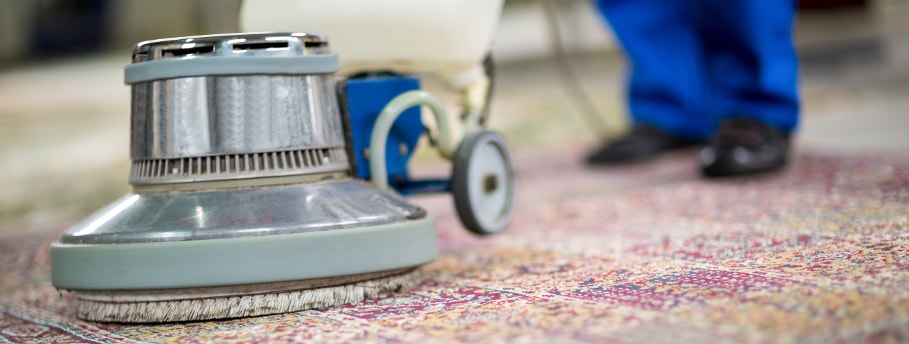
- Carpet cleaning – With carpeting of any type, you need professional carpet stain and dirt removal using methods that go considerably further than vacuuming.
- Upholstery cleaning – Office seating and soft furnishings that accumulate more than most people realise until they are cleaned. That’s where this type of care comes in.
- Commercial kitchen cleaning – In restaurants and cafes, you have to keep the extraction systems, catering equipment, and food preparation surfaces in mint condition. The hygiene standards in this sector are specific, and commercial kitchen cleaning is built around meeting them.
- Hard floor care – You would be surprised at what commercial cleaning includes. For instance, they excel at caring for special types of flooring. This goes from stripping and sealing to polishing and maintenance, to keep the facility in perfect condition.
- After builders cleaning – When the renovation or remodelling is done, you need to hire someone to remove the dust, debris, and residue, so the space is actually usable.
You may also like:
A structured cleaning programme does more than keep a workspace tidy. It affects employee well-being, shapes how customers perceive a business, and has a direct bearing on compliance and the long-term condition of the premises.
The businesses that treat cleaning as an operational priority tend to notice the difference.
People form impressions quickly, and they rarely announce them. A well-maintained space signals that a business pays attention to its people, to its premises, and ultimately, to how it presents itself. Clients, partners, and customers all register it, usually long before a word has been exchanged.
Ask the team whether their workspace affects how they work, and they will probably shrug. Then, watch what happens when it improves and the answer becomes clearer. Cluttered, poorly maintained places create friction — a consistent drag on focus and morale. A clean space changes all that.
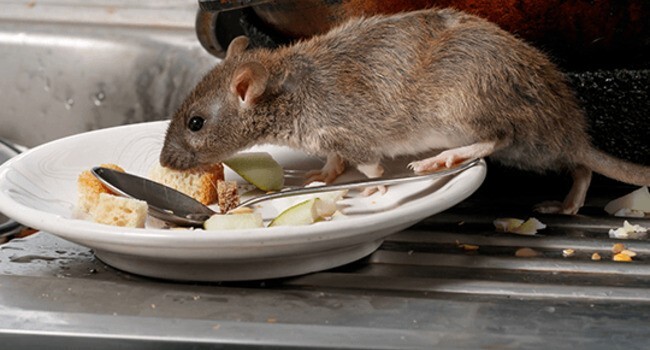
Shared spaces are known for spreading bacteria, viruses, and allergens. That is a common problem with high-touch spots like desks, door handles, shared equipment, and washrooms. No need to worry, though. Regular disinfection is a sure-fire way to protect each team.
In hospitality, healthcare, and food service, hygiene is a regulatory requirement, not a preference. Professional cleaning helps businesses meet the high cleanliness levels that those standards demand. That matters considerably more than it sounds when an inspection is scheduled.
Dust, dirt, and staining do cumulative damage to carpets, flooring, furniture, and equipment. It happens slowly enough that nobody notices until something needs replacing. Regular cleaning slows down that process and extends the longevity of the furnishings.
Commercial cleaning does not have to interrupt the working day. Most providers work around business hours — early mornings, evenings, weekends. The premises are then clean and ready, without anyone having to waltz around a cleaning squad mid-afternoon.
Commercial cleaners often need to work inside active businesses — around employees, visitors, equipment, and spaces that matter.
Choosing the wrong provider is not just an inconvenience. It is a security concern, a liability, and a quality problem all at once. A professional company should not require much convincing to demonstrate its standards.
Start with the basics. The staff should be vetted and trained for commercial environments. Additionally, the company should carry appropriate insurance and liability cover. If either of those is unclear upfront, that is worth noting.
Look at the service agreement. A professional provider will be specific about the scope of work, schedule, and pricing — in writing, with no ambiguity about what is and is not included. Vague proposals tend to produce vague results.
Commercial cleaning experience matters more than it might seem. A company familiar with healthcare environments operates to different standards than one that primarily handles offices. You cannot go wrong if you ask about relevant experience in your sector before committing.
You may also like:
Fantastic Services has been providing professional commercial cleaning for businesses across London long enough to know that no two premises are the same. They cover offices, retail spaces, shared buildings, and other specialised environments.
The service is built around trained cleaning teams, flexible scheduling, and solutions that are matched to what the business actually needs, not a one-size template.
What that looks like in practice:
- Cleaning professionals who are experienced, vetted, and trained for commercial environments — not handed a checklist on their first day.
- Schedules are built around business hours so operations are not disrupted and the premises are ready when people arrive.
- A wide enough range of services and solutions, so that businesses will not need a separate contractor every time a different cleaning requirement comes up.
- Professional equipment, professional products, and a reliable system for monitoring quality.
Getting started does not take long:
Step 1: Call or request a quote online for the required service.
Step 2: Discuss all the cleaning requirements and preferred schedule with the team.
Step 3: Receive a tailored commercial cleaning plan for the business premises.
Step 4: Schedule the service at a time that suits your business.
Step 5: Professional cleaners carry out the work to the agreed standard.
If the premises need sorting — or the current arrangement has quietly stopped working — request a quote with Fantastic Services and find out what a proper commercial cleaning plan looks like for your business.
Healthier, Cleaner, and More Professional
Book our commercial cleaning services and have it all!


- There are differences in standards, equipment, and regulatory expectations between commercial cleaning and domestic cleaning.
- Business owners rely on commercial cleaning for offices, retail spaces, restaurants, schools, warehouses, healthcare facilities, and more.
- There are many types of commercial cleaning, from routine contract cleaning to deep cleaning and kitchen sanitation.
- A clean workplace is not just presentable — it affects how employees work, how long assets last, and whether the business meets its legal obligations
- The ideal cleaning service should provide vetted staff, clear agreements and relevant experience.
Popular posts
Week
Month