The Hidden Benefits of Regular Office Carpet Cleaning for Business
Published: December 2, 2025 Last update: January 28, 2026 Views: 227
Office carpets influence the work environment far more than most people realise. They soften background noise, shape first impressions, and support employee well-being. At the same time, they absorb the daily pressures of office life: continuous foot traffic, furniture movement, and the occasional spill addressed in haste. Over time, these traces settle deep within the fibres, progressively affecting hygiene levels, indoor air quality, and the overall atmosphere of the workspace.
Understanding how important office carpet cleaning is becomes a core component of maintaining a healthy, productive working environment. For business owners and workplace managers, recognising this impact is essential to protecting both employee well-being and the long-term performance of the space.
Carpets in high-traffic commercial environments endure constant pressure. While hard floors reveal dirt immediately, carpet fibres conceal debris all too well. Dust, grit, moisture, and allergens embed themselves deep within the fibres where standard vacuuming simply cannot reach. High-traffic corridors are typically the first areas to show signs of wear. The change is subtle at first – a shift in colour tone or a slightly dull appearance that develops almost unnoticed.
Carpet fibres soak up everything, including coffee spills, food particles, ink traces, and seasonal debris like winter salt. Repetitive chair movement drives this material deeper into the backing, while everyday equipment leaves incremental marks that accumulate over time. Within a few months, carpets can appear prematurely aged and worn.
This is why professional office carpet cleaning is important. Without consistent care, carpets and rugs lose their visual integrity and become significantly harder to restore. As dirt settles and stains set, the fibres begin to wear out in ways that feel permanent. Regular maintenance isn’t just about refreshing the space – it’s about preserving a part of the workplace most people don’t think about until it has already worn down.
The moment a business recognises the stress placed on its carpets, it becomes much easier to understand why routine cleaning is essential. The benefits extend far beyond appearance. Clean, well-maintained carpets contribute to a healthier work environment, support employee comfort and productivity, and help reduce avoidable long-term costs. While the financial savings may be less immediately visible, they are substantial when viewed across the full lifecycle of the flooring.
The following sections outline how a seemingly simple task as commercial carpet cleaning, directly influences workplace health, operational efficiency, and overall business performance.
Office carpets capture far more than visible debris. Beyond the obvious crumbs, they absorb airborne particles such as overnight dust, microscopic pollutants brought in on shoes and clothing, and the fine fibres that naturally accumulate in corners. Even when the surface appears clean, these contaminants sink deep into the carpet pile, remaining out of sight yet continually affecting indoor air quality.
For employees sensitive to dust or environmental changes, this invisible build-up can contribute to irritation, discomfort, and, ultimately, increased sick days, impacting both well-being and productivity. Minor symptoms like dry throats, mild allergies, or general discomfort often go unreported, but collectively they influence how clean and healthy the office feels.
Professional deep cleaning reaches far beyond the capabilities of standard equipment, removing embedded pollutants and restoring a healthier environment. The result is a workspace that feels cleaner, is easier to breathe in, and supports a healthier working environment for employees.
When floor covering looks dull, marked, or poorly maintained, it subtly influences the overall atmosphere of the room, often giving the space a heavier, more fatigued feel before the workday even begins. Flooring sets the tone long before anyone speaks. Most employees won’t comment on it – they simply adapt. However, this visual fatigue can contribute to reduced focus and quicker lapses in productivity.
In contrast, fresh-looking floor covering creates an immediate uplift in the workplace environment. The difference is especially noticeable after a recent clean – the space feels brighter, tasks feel more manageable, and the atmosphere becomes more positive. Small improvements like this often have the greatest cumulative impact on day-to-day performance.
A well-maintained space also encourages better habits. Employees tidy their areas without thinking, move mugs aside, and stack papers instead of scattering them. Once these small habits spread throughout the office, the entire space feels more organised and calmer.
The workplace doesn’t need to be perfect, but it should feel stable and cared for. Regular professional carpet cleaning supports that stability more than most companies realise.

Carpets retain far more than people realise. Small crumbs, fine skin flakes, dust mites, and traces of moisture gradually work their way into the fibres, especially in offices with shared eating areas or high foot traffic. This build-up happens quietly and often goes unnoticed. Over time, these materials create conditions that allow allergens to linger and, in some cases, pests such as carpet beetles or mites may appear.
Commercial office carpet cleaning breaks this cycle. Deep extraction removes the moisture and organic matter that insects depend on and eliminates allergen accumulation before it becomes a wide issue. Employees with sensitivities often notice the improvement immediately.
From a hygiene and compliance standpoint, this routine maintenance plays a critical role in keeping the workplace healthy and safe while ensuring adherence to workplace health standards.
Visitors form an impression of a business within seconds, and flooring plays an influential role in that assessment. Clean, well-maintained carpets signal organisation, attention to detail, and a commitment to professionalism. Conversely, worn or stained flooring sends a very different message. Even in a well-designed office, neglected carpets can undermine the overall environment and overshadow investments in furniture, branding, and décor. This is particularly critical in sectors where clients expect a polished setting – such as finance, real estate, consulting, and hospitality.
Clean flooring reassures stakeholders and clients that a business takes standards seriously and maintains a controlled, reliable environment. It also contributes to a calm, welcoming atmosphere during interviews, client meetings, site tours, and executive visits. While flooring may not be the focal point of a room, it significantly influences how both the space and the business behind it are perceived.
Office carpets represent a significant investment, particularly in larger facilities, and they handle more strain than most people anticipate. Dirt and grit settle deep into the fibres and slowly act like sandpaper, wearing things down bit by bit. If not removed, the fibres will weaken, fade, and flatten long before they should show age.
Regular office carpet cleaning eliminates these abrasive particles and helps the carpet retain its structure, colour, and overall appearance. Over time, this consistent upkeep extends the flooring lifespan far more effectively than vacuuming alone. It also reduces the likelihood of sudden, high-cost restoration work that consumes budgets and interrupts workflow.
In simple terms, preventative cleaning saves businesses money and cuts down on frequent replacements.
A general rule is that most offices need a deep clean every 6–12 months, though this is more of a starting point than a strict requirement. Some places simply wear out faster than others, and there’s rarely a clear moment when it starts. High-traffic areas, such as corridors, reception zones, kitchens, and busy meeting rooms, show visible wear first. Early indicators are subtle – slight dulling, minor discolouration, or light flattening of the carpet pile.
Spaces with continuous visitor flow or those open to the public often require quarterly cleans to maintain acceptable standards. It’s less about perfection and more about keeping the environment presentable. Understanding how often office carpets should be cleaned helps businesses establish a maintenance rhythm that matches actual usage patterns, not just surface appearance.
Deep commercial carpet cleaning removes embedded soil that routine vacuuming cannot reach and restores fibres in ways standard equipment simply cannot achieve. This thorough approach makes the difference between carpets that look clean temporarily and those that maintain their shape, colour, and longevity in the long term.
Vacuuming remains the foundation of effective carpet maintenance, even though it is often treated as a quick, routine task. Most workplaces require daily vacuuming, or at a minimum every two days, particularly in high-traffic zones where dust, crumbs, and general debris accumulate. Entrances, corridors, and shared spaces gather dirt quickly and therefore need extra attention. While lightweight equipment helps, commercial-grade vacuums reach deeper into the pile and remove particles that standard machines leave behind.
Understanding how often an office carpet should be vacuumed helps prevent those sudden moments when a carpet appears to have aged overnight. A consistent vacuuming schedule keeps the space looking fresher between professional deep cleans, which provide more intensive restoration.
Regular vacuuming also prevents grit from settling deep into the fibres, where it slowly causes abrasion and long-term damage. It’s a subtle form of protection – easy to overlook day-to-day, yet essential for preserving the lifespan and appearance of commercial carpeting.
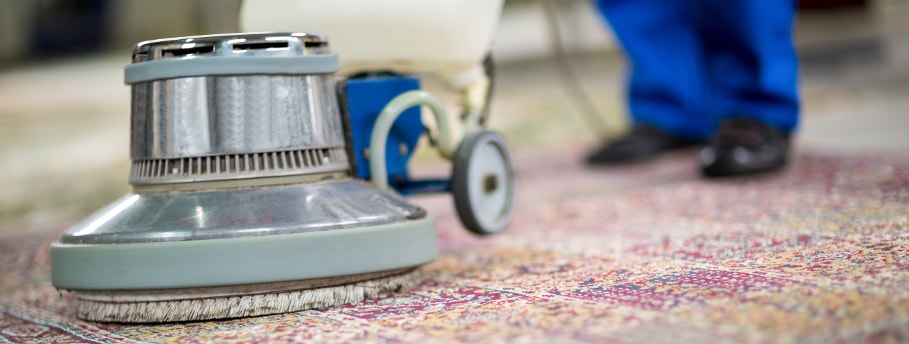
Partnering with professional cleaning specialists is one of the most effective ways for businesses to protect and extend the life of their office carpets. Unlike standard in-house routines, professional technicians use advanced equipment and commercial-grade products that deliver superior results. This level of treatment removes embedded soil, allergens, and contaminants that regular vacuuming and spot cleaning simply cannot address.
Trained professionals also bring consistency and expertise, particularly when it comes to carpet stain removal and periodic deep cleaning. They understand how to treat different fibre types, prevent recurring stains, and restore areas showing early signs of wear. For busy workplaces, this ensures carpets remain hygienic, presentable, and compliant with workplace standards year-round.
To maintain a professional environment and protect flooring investments, businesses should consider a scheduled maintenance plan with a reputable commercial cleaning provider. A structured approach ensures carpets receive the right level of care at the right intervals, preventing costly deterioration and eliminating the need for unexpected restoration work.
Need a professional cleaning?
Transform your office environment today with our comercial cleaning services


- Regular office carpet cleaning supports healthier indoor air because dust and deeper particles build up quietly in shared areas long before anyone realises they are there.
- Cleaner rugs help people concentrate because the room feels more settled when the flooring looks cared for instead of worn – it’s a subtle change, yet the improvement becomes noticeable surprisingly quickly.
- Routine deep cleaning prevents small pest issues by removing crumbs and dampness before they settle in the fibres; it’s far simpler to manage these issues early than to deal with the trouble later.
- A well-maintained floor does far more than look good: it influences a visitor’s first impression before any conversation begins.
- Commercial rugs should be vacuumed daily and deep cleaned every 6–12 months.
Popular posts
Week
Month