
What Are the Risks of Poor Pest Management?
Published: February 3, 2026 Last update: March 27, 2026 Views: 406
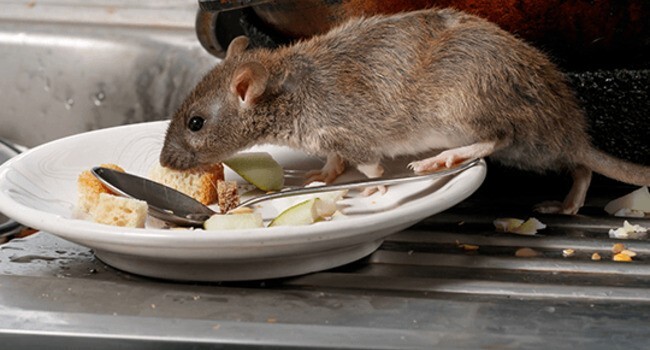
In commercial operations, pest activity is not a minor inconvenience – it is a significant business risk. Whether you manage an office, restaurant, warehouse, care facility, or hospitality venue, ineffective pest management can rapidly undermine health standards, operational efficiency, regulatory compliance, and brand credibility.
What may initially appear as an isolated incident – a rodent sighting, insect activity, or unexplained contamination – often signals a systemic control failure. Left unaddressed, these issues escalate quickly, compounding financial exposure and operational disruption while diverting leadership focus from core business objectives.
This article outlines the strategic, financial, and operational consequences of poor pest management and explains why a proactive, professionally managed approach is critical for commercial organisations.
When pests aren’t properly controlled in a commercial property, they pose serious health risks to you, your staff, and your customers. Pests carry bacteria, allergens, and pathogens that contaminate surfaces, air systems, and high-touch areas, creating direct health risks for employees, customers, and contractors, especially in environments with shared workspaces, food handling, or vulnerable populations.
From a risk management perspective, uncontrolled pest activity increases:
- Workplace illness and absenteeism
- Exposure to allergens and respiratory irritants
- The likelihood of health and safety incidents
Without regular inspections and perimeter monitoring, entry points remain open, allowing pests to enter undetected. Think about it: how often do you check external areas for pests? If the answer isn’t “regularly,” your perimeter is vulnerable -and you’re leaving the door open to potential health crises.
In food preparation, storage, and service areas, the consequences of pest activity are especially severe. Rodents, flies, and cockroaches routinely move between waste areas, drains, storage zones, and food preparation surfaces, creating a direct contamination pathway that compromises food safety controls.
Droppings, urine, shed hair, and insect remains can contaminate surfaces, equipment, and stock. For food and hospitality businesses, even a single pest can compromise entire storage areas, creating serious food safety violations, increasing the risk of foodborne illness, and potentially triggering enforcement action from regulatory authorities – all of which carry immediate financial and reputational consequences.
In high-occupancy commercial environments, such as offices, hospitality venues, and shared workspaces, pests function as biological vectors, spreading disease through contact with shared surfaces, equipment, and HVAC systems. Many carry nasty diseases that can infect lots of humans with just a quick brush of a hand, a coffee cup left abandoned on a desk, or a shared muffin someone sneezed on without realising.
Rodents are especially dangerous because they drag bacteria out of dark corners and sewers. And insects? They flit and crawl, hitching a ride on crumbs, keyboards, or the edge of your lunch container.
Once pest control measures fail, exposure risks extend beyond isolated areas and can affect entire floors or buildings, placing workforce health and business continuity at risk.
Pest droppings, shed skins, nesting materials, and airborne particulates can accumulate within HVAC systems and enclosed spaces. Over time, this degrades indoor air quality and contributes to respiratory conditions and allergic reactions.
From an operational standpoint, this results in reduced employee performance, increased sick leave, and lower overall productivity, particularly in offices, warehouses, and large facilities where exposure may remain undetected without professional monitoring.
You may also like:
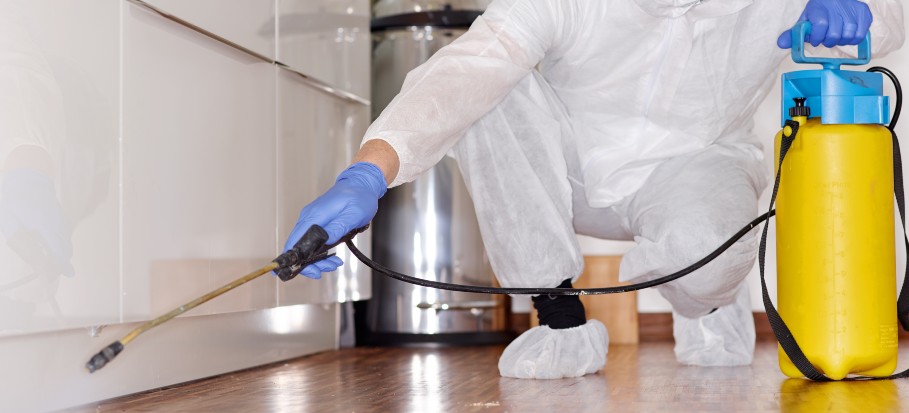
Beyond health concerns, poor pest management poses a significant threat to physical assets and infrastructure, increasing the total cost of ownership for commercial properties. Pests physically destroy buildings through gnawing and burrowing -damage that escalates rapidly when ignored.
What starts as a minor issue quickly becomes a serious structural problem costing thousands to repair. Unlike simple maintenance fixes, pest damage typically requires professional restoration that can shut down portions of your operation for extended periods.
Rodents and insects gnaw through insulation, plasterboard, timber, and structural components, while species such as termites can compromise load-bearing materials undetected for extended periods. What begins as minor damage often escalates into:
- Costly structural repairs
- Partial site closures
- Long-term asset depreciation
These risks are particularly acute in older buildings, warehouses, and mixed-use facilities.
Rodents chewing through electrical wiring represent a serious safety hazard. Damaged cables can lead to:
- Power outages
- Equipment failure
- Increased fire risk
In facilities with complex electrical infrastructure, a single failure can disrupt operations across multiple departments or tenants, resulting in unplanned downtime and significant recovery costs.
Pests destroy stored goods, packaging, machinery, and office equipment. Rodents gnaw through cardboard and contaminate inventory with urine and droppings, while insects burrow into machinery and damage sensitive components.
The result? Affected inventory becomes unsellable, while equipment failures lead to downtime, accelerated depreciation, and unplanned replacement costs – directly impacting margins and operational efficiency. Your bottom line takes repeated hits every single day from the increased risks of poor pest management. Minor nuisances escalate into operational nightmares that drain resources and cripple productivity.

Reputational damage is one of the highest-impact and least recoverable consequences of poor pest management. When you’re not managing a serious pest problem correctly, it can definitely affect your reputation faster than you think.
In today’s digital landscape, visible pest activity can trigger immediate reputational damage. A single incident – captured and shared online – can rapidly erode customer trust and deter future business. Nobody is eating at a place crawling with mice. Staying in a room with bed bugs? Absolutely not. Shopping for produce while flies hover everywhere is also a hard pass.
In hospitality, food service, retail, and accommodation, a single pest incident can trigger negative reviews, social media exposure, failed inspections, increased regulatory scrutiny, derail health inspections and closures. Businesses that regularly check external areas for pests can catch problems early, but once infestations reach customer-facing spaces, the damage spreads rapidly.
One mention of pests can quickly gain traction online in just a matter of hours. Shared, screenshotted, and reposted, it circulates until everybody has heard. A damaged reputation doesn’t fix itself quickly. Sometimes, it never does. People simply stop showing up.
It’s no secret that your finances are the backbone of the business, and any disruption to them can have a significant impact. Unfortunately, among the many risks of a poorly managed pest problem is the fact that it hits your wallet in more ways than one. Some expenses are immediate and obvious, while others accumulate slowly as infestations worsen and problems multiply. Typical cost drivers include:
- Structural and electrical repairs
- Replacement of contaminated stock and damaged equipment
- Emergency and reactive commercial pest control callouts
- Operational downtime or partial closures
- Reduced workforce productivity and increased absenteeism
Reactive pest control significantly increases total cost of ownership, as costs are incurred after damage has already occurred. These expenses often accumulate gradually across departments, making them difficult to attribute but highly damaging to long-term profitability.
The majority of these costs can be avoided through planned, proactive pest management programs that align with operational risk mitigation strategies. Effective pest management is an investment that pays for itself by preventing expensive disasters caused by poor control. From an ROI standpoint, proactive pest management is a cost-containment strategy, not an optional expense.
Pest issues rarely resolve on their own. Missed inspections, delayed interventions, or short-term treatments allow populations to multiply and infestations to spread across your property.
The risks from poor pest management escalate when pest populations go unchecked. One mouse becomes several, then dozens, and before long, the infestation affects large parts of your facility – though the pace varies depending on species and conditions.
If your team keeps spotting pests, or treatments only work for a week or two, the problem is already entrenched. At this point, effective pest management requires root-cause analysis, exclusion strategies, and long-term control – not just eradication. A comprehensive plan from commercial pest control experts will prevent repeat infestations, but only if you commit to following through.
You may also like:
- Seal entry points – Pests commonly enter through gaps around service pipes, wall cracks, and worn door seals. Investing in professional inspection to identify and seal these access points reduces exposure, prevents recurring infestations, and long-term pest control costs.
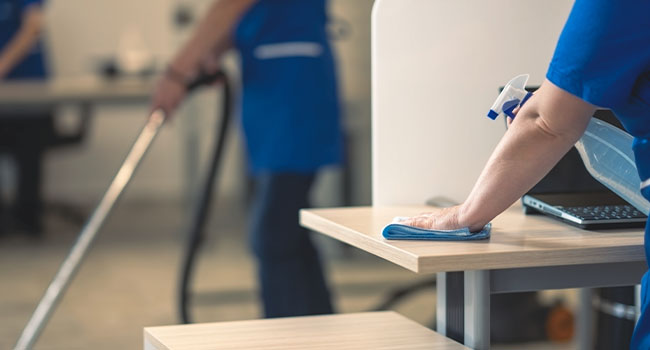
- Maintain cleanliness – Crumbs, spills, and grease build-up increase pest activity across commercial environments. Regular commercial deep cleaning and immediate remediation of spills are essential to limiting access to food sources and supporting preventative pest control.
- Waste management – Poorly managed waste creates a reliable food source for pests. Use enclosed waste containers and empty them regularly to prevent residue buildup. Position bins at a safe distance from the building entrances and avoid leaving waste on-site overnight to minimise pest attraction.
- Proper storage – Keep food and raw materials in sealed, pest-resistant containers and stored above floor level to prevent contamination. Implement first-in, first-out (FIFO) stock rotation to maintain hygiene standards and reduce pest risk.
- Fix leaks and reduce moisture – Standing water and leaky pipes create conditions that support pest activity. Fix dripping taps, leaking pipes, and damaged roofs, and ensure drains are kept clear to reduces infestation risk and supports compliance standards.
- Check external areas for pests regularly – Inspect delivery zones, bins, drains, and the outside of your building every week to guarantee that they don’t enter the property at all.
- Carry out regular pest inspections – Routinely inspect stockrooms, kitchens, and high-risk areas to identify early signs of pest activity. Early detection allows limits infestation growth, reduces remediation costs, and protects business continuity.
Looking for a proactive pest management solution?
We provide tailored commercial pest control designed to fit your business needs and schedule.


- Poor pest management increases health, safety, compliance, financial, and reputational risk
- Infestations scale quickly when early signs are ignored
- Reactive pest control drives higher total cost of ownership
- Proactive, professional pest control protects assets, people, revenue, and business continuity
Popular posts
Week
Month